

The Senate Standing Committee on National Security, Defence and Foreign Relations has held a meeting to deliberate on the alleged deceptive recruitment of Kenyan youth into Russian special military operations.
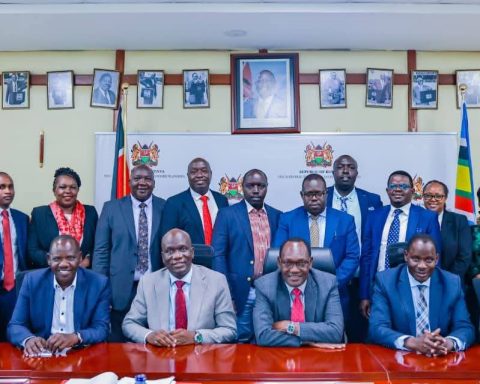
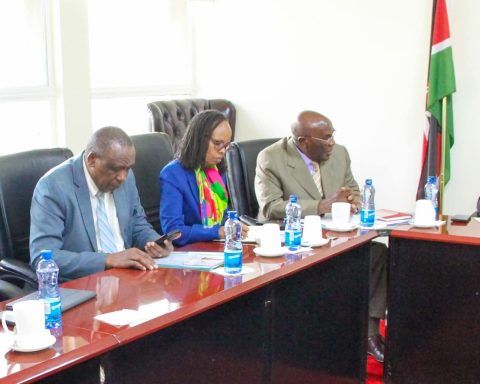
The Committee, chaired by Senator Fatuma Dullo (Isiolo), on Thursday, April 2, 2026, met the Prime Cabinet Secretary, Musalia Mudavadi and the Principal Secretary for Diaspora Affairs, Roseline Njogu, to consider a Statement sought by Nandi Senator Samson Cherarkey regarding the recruitment of Kenyan youth to join Russian special military operations under the guise of civilian employment opportunities.
How many Kenyans have been recruited into the Russian military?
In his response, the Prime Cabinet Secretary revealed that approximately 252 Kenyans are believed to have been enlisted into Russian military operations, with 16 reported missing in action and 38 currently admitted to various Russian hospitals under restricted access.

He further indicated that about 165 Kenyans remain deployed in combat zones, while 47 have so far been rescued, with repatriation efforts ongoing through the Kenyan Embassy in Moscow.
The Committee heard that many of the affected individuals signed contracts voluntarily, lured by lucrative incentives, including multimillion-shilling signing bonuses, high monthly salaries, and promises of foreign citizenship.
However, the Government acknowledged that elements of deception and irregular recruitment practices were involved, particularly in cases where individuals transited through other countries, complicating tracking and verification.
What did Russia commit to do over the illegal recruitment of Kenyans?
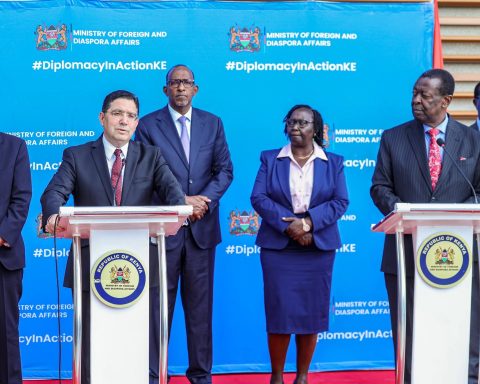
Mudavadi also briefed Senators on his recent diplomatic engagement in Moscow, where Kenya secured commitments from Russian authorities to halt further recruitment of Kenyans into military operations, facilitate consular access to affected individuals, support voluntary disengagement and compensation processes and explore the development of a bilateral labour agreement to regulate legitimate employment pathways.
Kenya has also opened diplomatic channels with Ukraine to address the welfare and possible repatriation of Kenyans held as prisoners of war.
Diaspora Affairs Principal Secretary informed the Committee that two individuals linked to human trafficking have been arrested and charged. At the same time, more than 600 recruitment agencies implicated in irregular practices have been deregistered as part of ongoing enforcement measures.
Senator Cherarkey, who sought the Statement, raised concerns over the vulnerability of Kenyan youth to exploitative overseas recruitment schemes, calling for strengthened legal frameworks, enhanced oversight and adequate funding to support migrant worker protection.

“Other things can lie, but numbers don’t lie,” the Senator remarked, urging clarity on budgetary allocations for interventions.
How much does the Kenyan govt need for responses to crises?
Mudavadi disclosed that the Ministry has requisitioned Ksh 400 million to support rescue operations and respond to emerging crises, noting that Government intervention relies heavily on public resources.
He also pointed to gaps in the legal framework governing recruitment, observing that penalties for illegal recruitment remain too lenient and require review by Parliament.
The Committee was further informed of a broader human trafficking crisis affecting Kenyans in parts of Southeast Asia, with hundreds having been rescued and repatriated from countries including Myanmar, Cambodia and Laos.
The State Department for Diaspora Affairs has since established support mechanisms, including a 24-hour call centre, psychosocial counselling services, pre-departure sensitisation programmes and reintegration support for returnees.

The Committee noted that it will continue engaging the Ministry and other stakeholders as it formulates recommendations aimed at strengthening oversight, regulating overseas employment and safeguarding Kenyan citizens from exploitation abroad.