

The government has set in motion an ambitious plan that will see every household get access to Liquefied Petroleum Gas (LPG) in the near future.
As part of the plan, the Cabinet on Monday approved the Liquefied Petroleum Gas (LPG) Growth Policy.
According to a cabinet dispatch, the policy is aimed at ensuring all households use safe and affordable LPG.
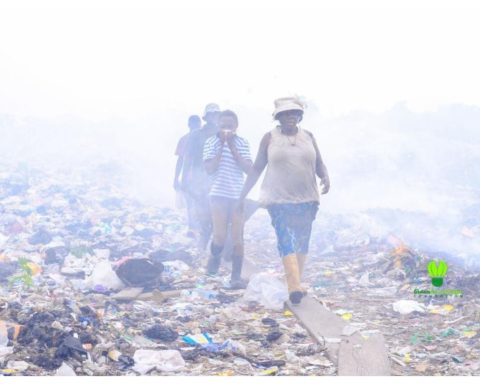
It is estimated that 70 per cent of Kenyan households are currently using biomass, Kerosene and other dirty fuels as their primary cooking fuel.

“IN FURTHERANCE of our nation’s growing credentials as a leader in green energy, Cabinet considered and approved the Liquefied Petroleum Gas (LPG) Growth Policy. The Policy seeks to steer our nation along an irreversible path towards securing the dignity of all households through the use of safe and affordable LPG,” read part of the Cabinet dispatch.
Liquefied petroleum gas reticulation infrastructure
Among key provisions in the policy is a requirement for all housing developments to have liquefied petroleum gas reticulation infrastructure.
The policy requires that such an infrastructure will be one to be considered before approval is issued for a new structure to be built in the county.
“AS PART of the LPG Growth Policy’s proposed regulations, a framework requiring all housing developments to have provisions for liquefied petroleum gas reticulation infrastructure shall be implemented. This provision will be embedded as a prerequisite for approval of any housing development projects, including those under the Administration’s flagship programme on Affordable Housing,” noted the Cabinet dispatch.
The proposed interventions will further encompass establishing common-user LPG import terminals, distributing subsidized LPG cylinders to low-income households, and promoting LPG use in institutions, facilitated by partnerships with finance institutions, LPG players, and the Ministries of Education and Health.
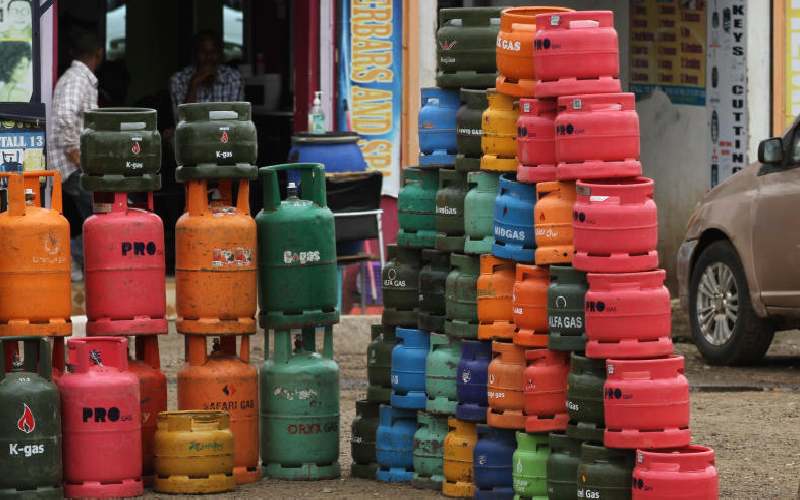
“These measures aim to reduce consumer prices, improve public safety and contribute to both public health and environmental sustainability,” noted the cabinet that held its meeting at the Kisumu State Lodge on October 9, 2023.
The government has since zero-rated liquefied petroleum gas (LPG) products from Value Added Tax (VAT) – a move that has already made cooking gas affordable and promoted its uptake.