
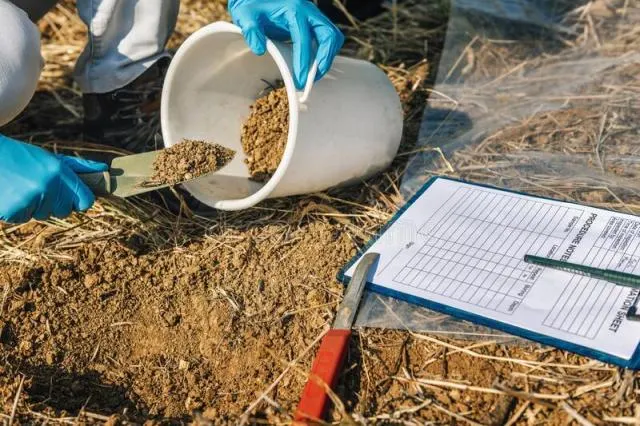
The Government, through the Kenya Agriculture and Livestock Organization (KALRO), has announced plans to conduct soil sampling in all 1,450 wards in the country.
The nationwide exercise is funded by the National Agricultural Value Chain Development Project (NAVCDP) and implemented by over 10,000 agripreneurs.
After concluding the sampling and analysis of 77,000 samples, the government will develop a digital soil map to guide farmers in choosing specific fertilizers for their farms.
Addressing the press at KALRO Kitale station in Trans Nzoia County after training of 175 agripreneurs drawn from all the 25 wards, ward and sub-county agricultural officers, Food Crops Research Institute Managing Director Badi Lihayo said the exercise will help determine the status of Kenyan soils.
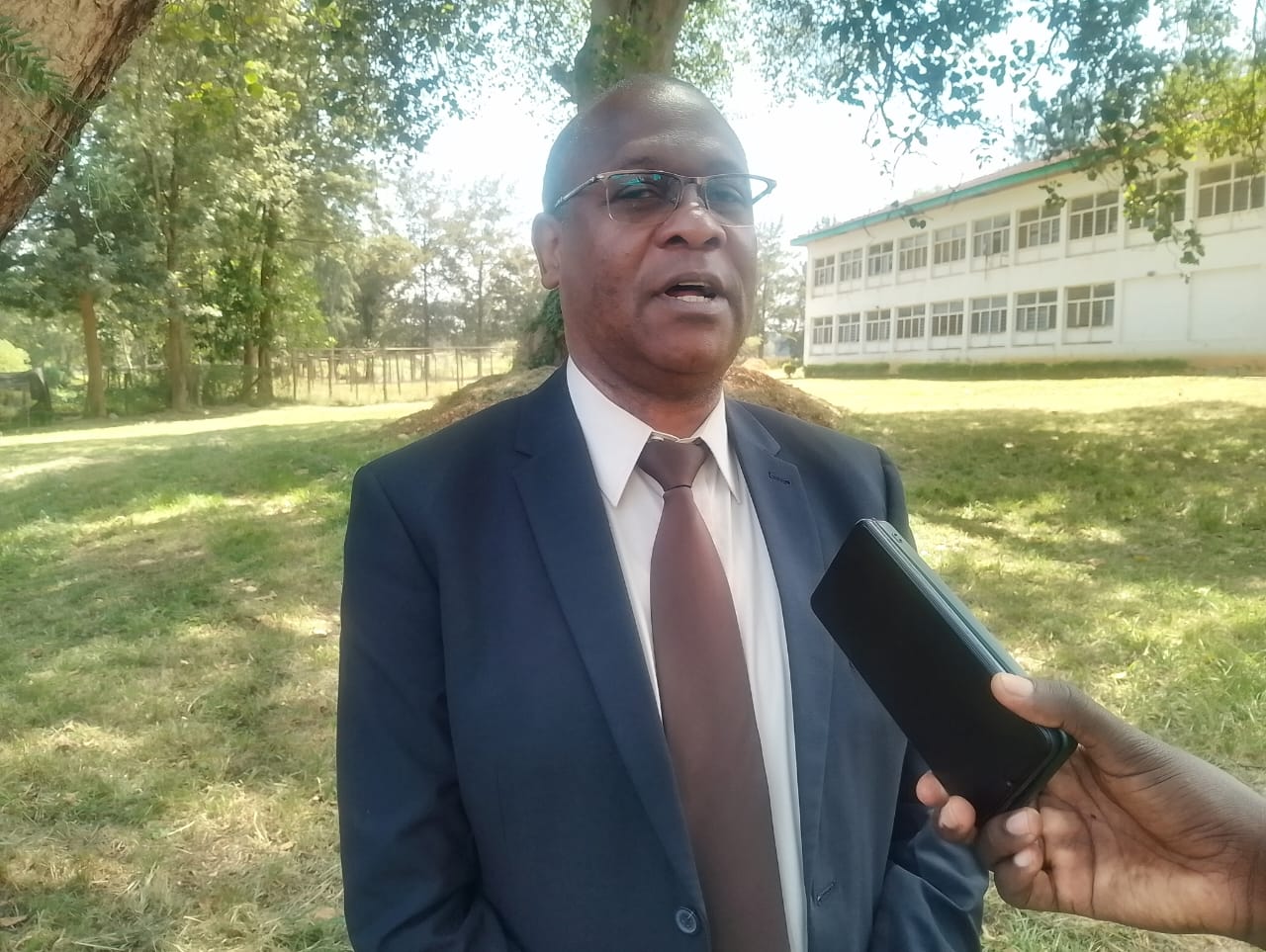
He added that realising the food and nutrition security agenda begins with healthy soils.
“A healthy soil means the soil is very productive hence food security. This exercise is crucial in determining soil status and will in turn help farmers choose the best an appropriate fertilizers for their crops,” Lihayo said.
Effects of declining soil fertility
Meanwhile, Dr. Elkana Nyambati, the Assistant Director of Livestock at KALRO said declining soil fertility affects agricultural productivity in the country.
He also called on farmers to cooperate with the agripreneurs who will be taking samples.
“After sampling, the soil samples will be analyzed, and the findings will be used to create a digital soil map,” Dr. Nyambati elaborated.
A national soil database will be established from the data which will then inform government policies on fertilizer use.
Dr Mary Koech, a soil scientist at the KALRO’s Food Crop Research Institute in Kitale said farmers should rely on soil-specific fertilizer recommendations.
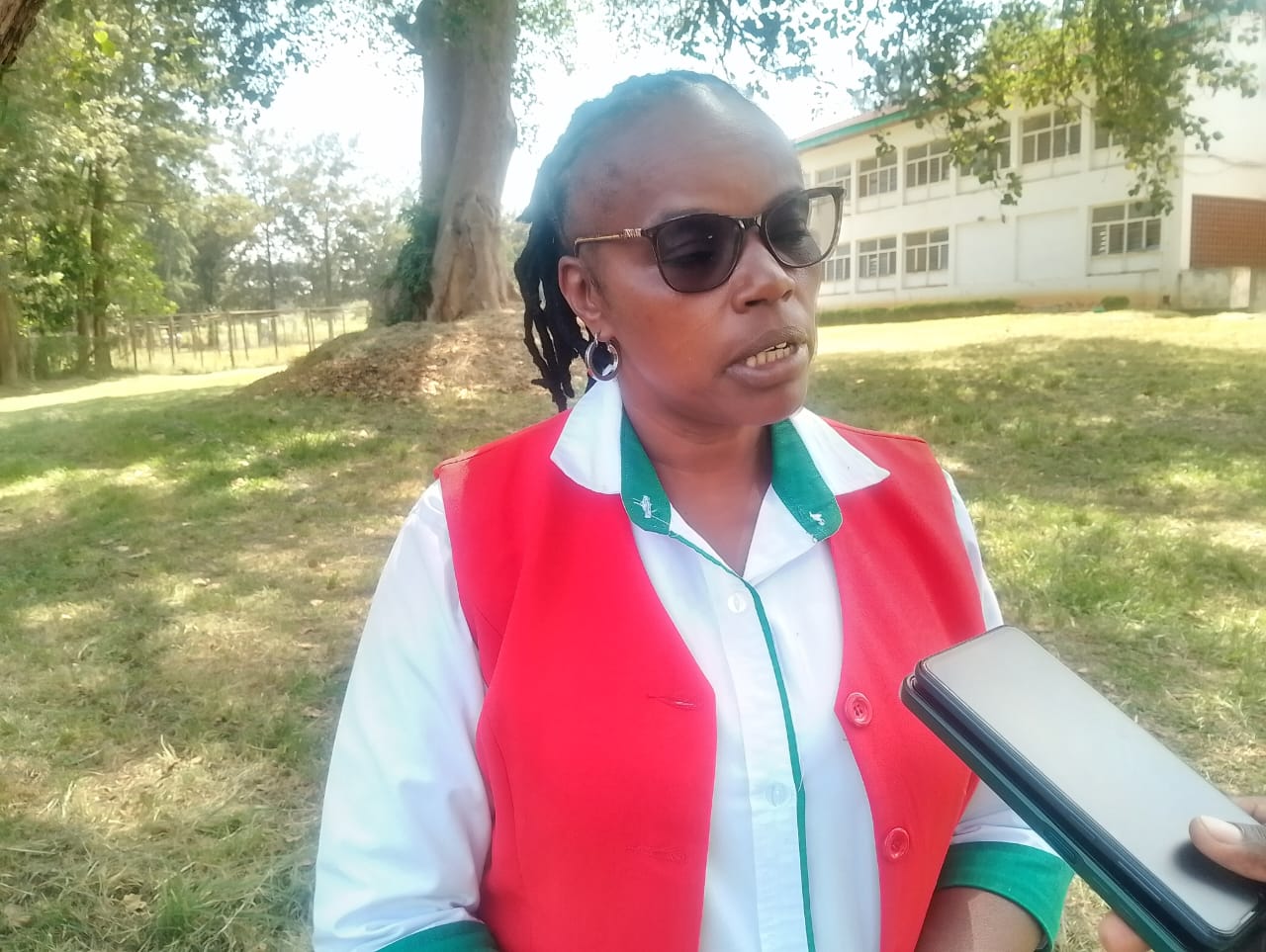
“For a very long time, farmers have relied on blanket fertilizer recommendations, which often lead to poor crop yields,” Dr. Koech said.
In addition, Trans Nzoia County Director of Agriculture Simon Mobe said using the right fertilizer will increase crop productivity.
“Sometimes back, we did soil sampling and realised that our soil is highly acidic. Therefore, this exercise is very timely,” Mobe stated.