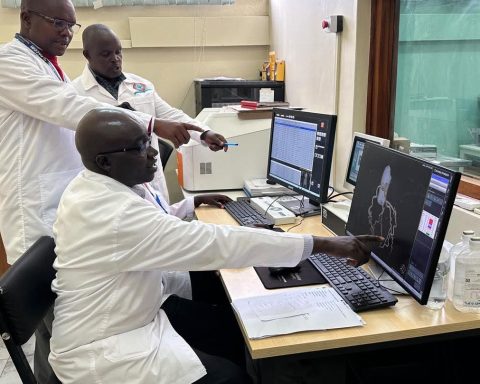


A National Assembly committee that conducted a public inquiry into allegations of organ harvesting at Mediheal Hospital has recommended that sanctions against the hospital be lifted.
The Departmental Committee on Health, in a report tabled in the National Assembly on Wednesday, April 16, 2026, also called for the strengthening of legal and regulatory frameworks governing organ and tissue transplant services.
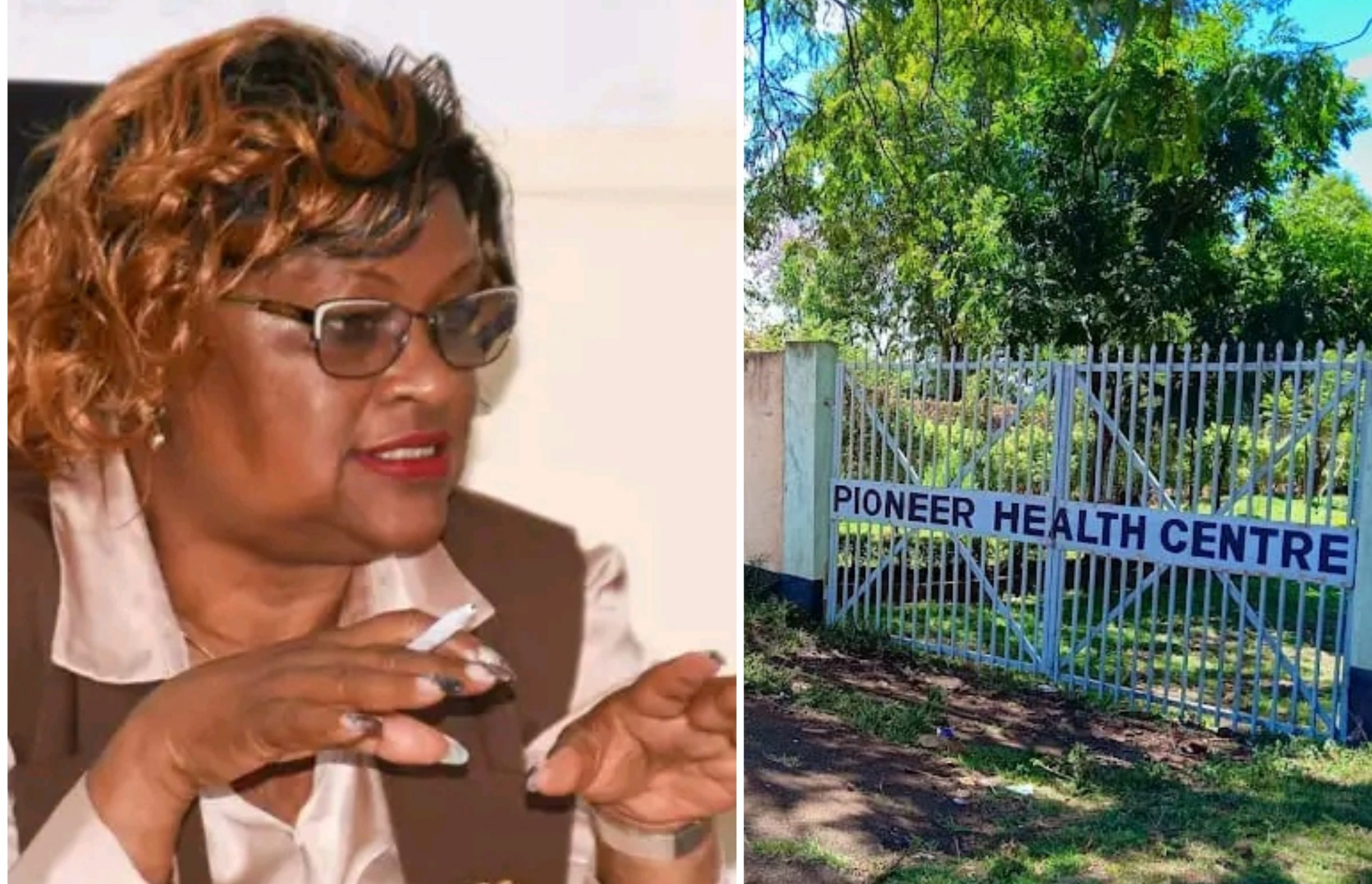
Why was kidney transplant at Mediheal Hospital suspended?
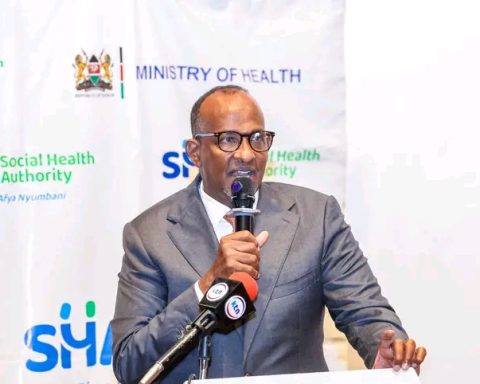
In April 2025, Health Cabinet Secretary Aden Duale ordered the immediate suspension of all kidney transplant services at the Eldoret-based hospital following allegations of malpractice and ethical violations.

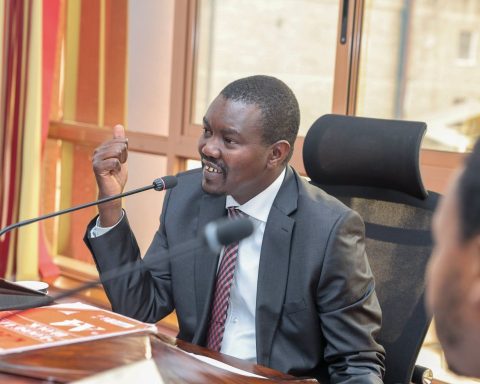
The committee, chaired by Seme MP Dr. James Nyikal launched its inquiry in the same month to investigate claims of breaches of professional ethics in kidney transplant procedures at Mediheal Hospital’s Eldoret branch.
“Any sanctions placed on Mediheal Group of Hospitals, including suspension of licences, be lifted except for organ transplant licenses,” the report tabled by the Committee Vice Chairperson Patrick Munene, stated in part.
The lifting of the sanctions also include two other Eldoret based hospitals – St Luke’s Orthopaedic and Trauma Hospital and Oak Tree centre for Kidney and Chronic Disease.
The committee also recommended sweeping reforms in the country’s organ transplant services following the inquiry into alleged malpractice.
To strengthen oversight, the committee proposed the enactment of a comprehensive Blood, Cell and Organ Transplant Law to establish a National Organ Transplant Authority, a national registry, and a transparent organ allocation system.
The Ministry of Health has been urged to fast-track regulations under the Health Act and strengthen regulatory bodies to enhance inspection, enforcement, and accountability.
It has also been tasked with developing a National Organ Transplant Policy aligned with Universal Health Coverage goals and international standards to ensure equitable and safe services.
What are MPs recommendations to address malpractice in transplant services?
The committee further recommended the creation of a joint inspection and enforcement framework among key regulatory agencies to prevent and address malpractice in transplant services.
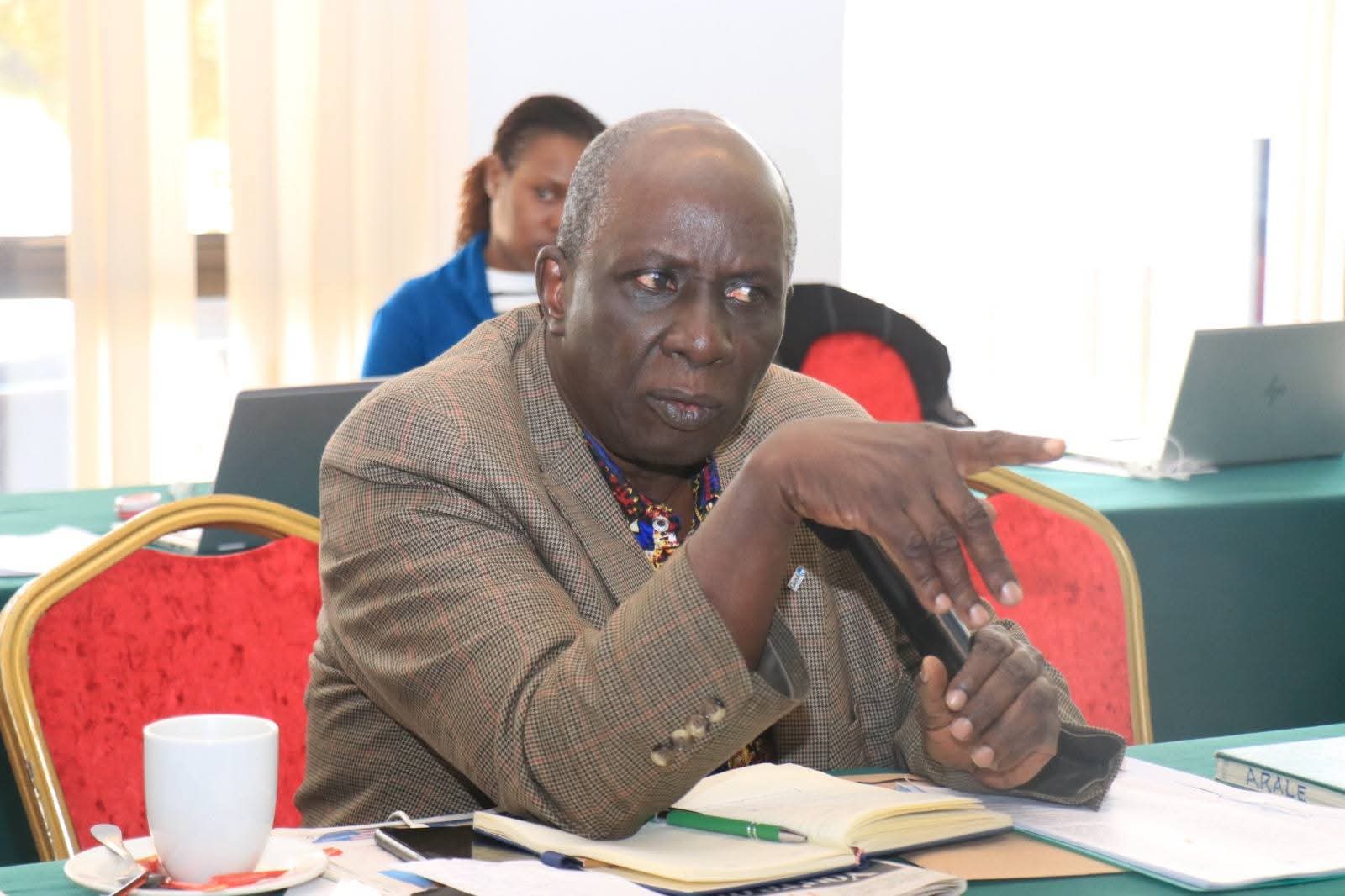
On infrastructure and staffing, lawmakers called on the National Treasury to fast-track funding for the East Africa Centre of Excellence in Urology and Nephrology at Kenyatta National Hospital. The facility is expected to boost the training of transplant specialists and improve capacity within five years.
The Ministry of Health and county governments have also been urged to develop a national human resource strategy to address the shortage of specialists, alongside increased public investment in transplant services and expansion of facilities in public hospitals.
To improve access, the committee recommended that the Ministry of Health, in consultation with the Social Health Authority (SHA), review and gazette a benefits package to ensure full coverage of transplant services for eligible patients.