

By Lifecare Hospital
Are you one of the millions of people worldwide living with high blood pressure, or hypertension? Often called the “silent killer,” this condition typically shows no symptoms but relentlessly damages your arteries, putting you at serious risk for heart attack, stroke, and kidney failure.
The good news? Taking control of your blood pressure is not only possible but highly effective, especially when you master how to manage high blood pressure naturally. This involves more than just popping a pill; it requires a conscious, holistic lifestyle shift that tackles the root causes.
Lifestyle changes are the most powerful medicine available. This comprehensive guide will walk you through the proven, expert-backed strategies for how to manage high blood pressure naturally, putting the power back in your hands.
Understanding Hypertension: The Silent Threat
Blood pressure is the force of your blood pushing against the walls of your arteries. When this pressure is consistently too high, it strains your heart and damages your vessels over time.
What high blood pressure numbers mean
Blood pressure is recorded as two numbers (e.g., 120/80 mmHg):

If you see numbers in the Elevated or Stage 1 range, now is the time to focus intensely on how to manage high blood pressure naturally to prevent the need for medication later on. Regular monitoring, both at home and at the hospital, is essential.
How to Manage High Blood Pressure Naturally
The consensus among cardiologists is clear: lifestyle modification is the essential first line of defence and a vital component of ongoing treatment, even alongside medication. Mastering how to manage high blood pressure naturally revolves around five key areas.
A. Dietary Overhaul: The Power of Potassium and Low Sodium
Diet is arguably the most impactful factor under your control. The primary goals are to reduce sodium (salt) and increase nutrients like potassium, calcium, and magnesium, which naturally counter sodium’s effects.

- Slash Sodium Intake: Aim for less than 1,500 mg (about one teaspoon of salt) per day. Most sodium comes from processed, packaged, and restaurant foods, not the salt shaker. To know how to manage high blood pressure naturally, you must:
- Read Labels: Choose “low sodium” or “no added salt” versions of canned goods, sauces, and snacks.
- Cook at Home: Preparing meals allows you to have complete control over salt content.
- Substitute: Use fresh herbs, spices (like garlic, ginger, and turmeric), vinegar, or lemon juice instead of salt for flavour.
- Adopt the DASH Diet: The Dietary Approaches to Stop Hypertension (DASH) eating plan is scientifically proven to lower blood pressure by emphasising:
- Lots of fruits and vegetables (rich in potassium and fibre).
- Whole grains, lean protein (fish, poultry, legumes).
- Low-fat or fat-free dairy products.
- Limiting saturated fats, red meat, and sweets.
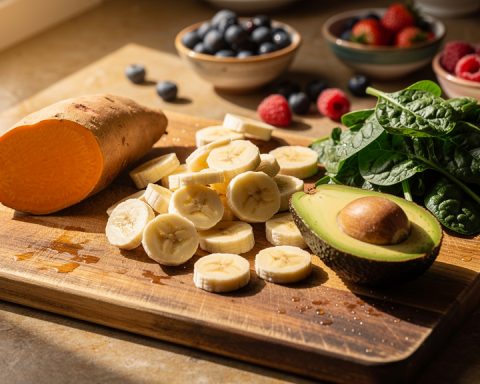
- Boost Potassium and Nitrates: Potassium-rich foods (bananas, sweet potatoes, spinach, avocado, beans) help flush excess sodium. Vegetables like beetroot and leafy greens are rich in nitrates, which the body converts to nitric oxide—a chemical that relaxes and widens blood vessels, another excellent way to manage high blood pressure naturally.
B. Commit to Regular Physical Activity
Exercise strengthens your heart, making it more efficient at pumping blood, thus reducing pressure on your arteries. This is a foundational pillar of how to manage high blood pressure naturally.
- Aerobic Exercise: Aim for at least 150 minutes of moderate-intensity activity (like brisk walking, jogging, cycling, or swimming) per week. This can lower your blood pressure by $5$ to $8$ mmHg.
- Strength Training: Include resistance exercises (like light weights or bodyweight exercises) at least two days a week, as this helps to build lean muscle mass, which is metabolically healthy.
- Consistency is Key: The effect of exercise is temporary. To sustain the blood pressure-lowering benefit, you must exercise regularly.
C. Maintain a Healthy Weight
Weight loss is one of the single most effective ways to lower blood pressure. Blood pressure often increases as weight increases, and excess weight around the waist strains the cardiovascular system.
- Set a Modest Goal: Losing even a small percentage of your body weight (5-10%) can significantly reduce blood pressure. For every kilogram lost, blood pressure can drop by about $1$ mmHg.
- Check Your Waistline: Men are generally at risk if their waist measurement is greater than 40 inches (102 cm); women if greater than 35 inches (89 cm).
D. Limit Alcohol and Quit Smoking
These habits directly and severely impact blood pressure, undermining all efforts at how to manage high blood pressure naturally.
- Alcohol: Excessive drinking can raise blood pressure significantly and make medications less effective. Limit consumption to no more than one drink per day for women, and two drinks per day for men.
- Smoking: Tobacco damages the lining of your blood vessels and causes a temporary, sharp increase in blood pressure every time you smoke. Quitting smoking is one of the best things you can do to reduce your risk of heart attack and stroke.
E. Manage Stress and Improve Sleep
Chronic stress triggers the release of cortisol and adrenaline, hormones that raise your heart rate and constrict blood vessels, leading to high blood pressure.
- Stress Reduction: Implement daily practices like meditation, deep-breathing exercises, or engaging in relaxing hobbies.
- Sleep Hygiene: Consistent poor sleep (less than 7 hours) and conditions like sleep apnea are strongly linked to chronic hypertension. Prioritise getting 7-9 hours of high-quality sleep nightly.