
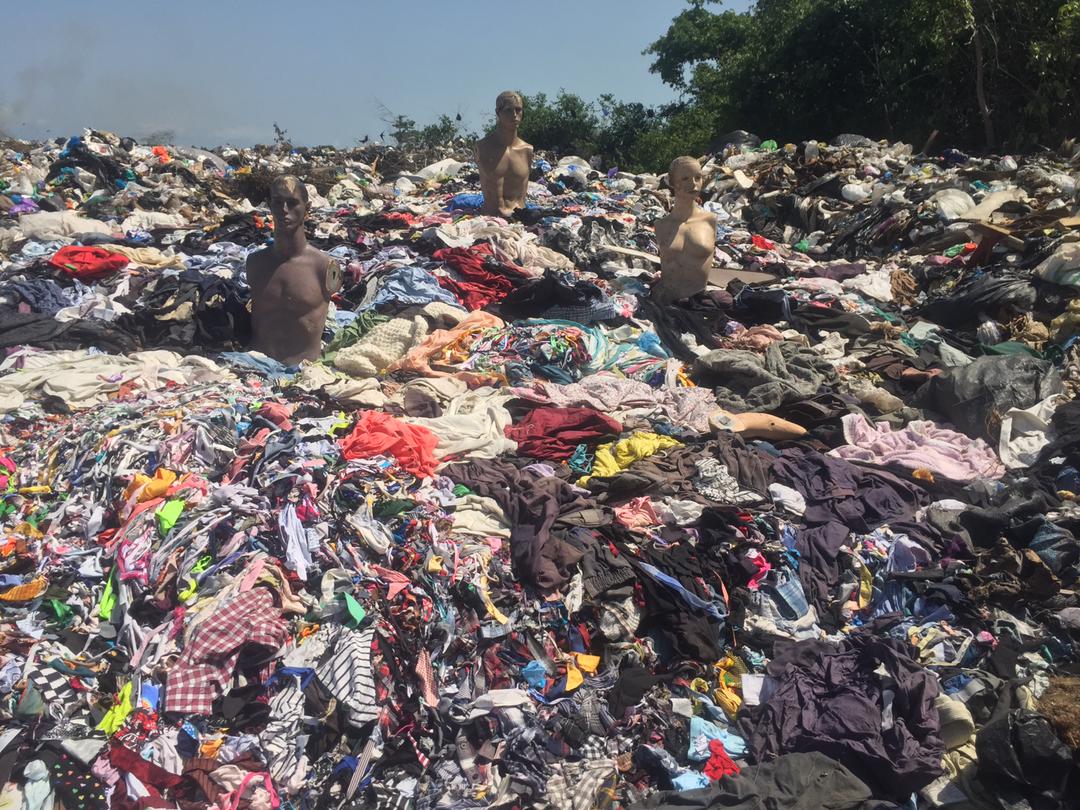
Only 9% of all plastic ever produced has been recycled, yet African countries continue to receive shipments of e-waste, plastics, and textiles from high-income nations, environmental groups said on Africa Day 2026.
The Global Alliance for Incinerator Alternatives (GAIA) and Break Free From Plastic Africa said the imbalance is driving “waste colonialism,” where hazardous material is exported to countries ill-equipped to manage it safely.
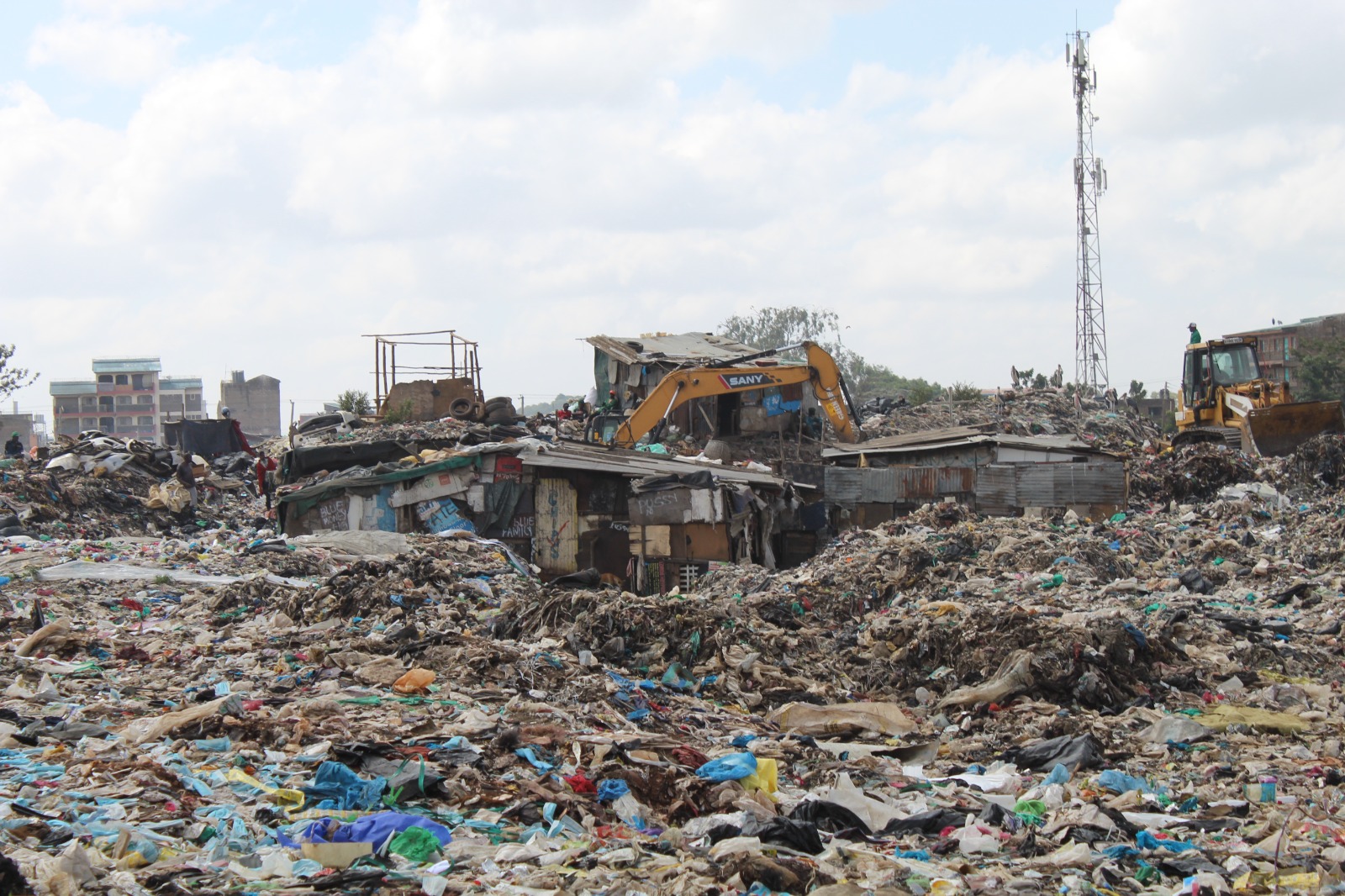
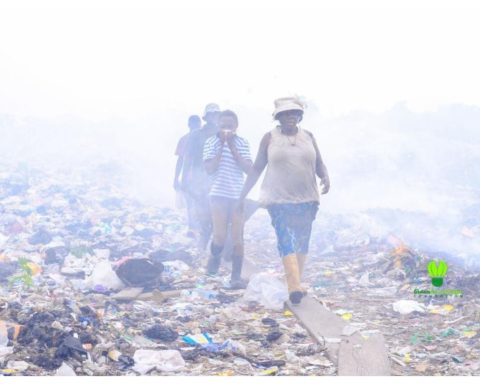
Hotspots including Accra, Nairobi, and Lagos are now seeing dumps filled with illegal imports of toxic electronics, hazardous plastics, textile waste, and chemical waste, according to the groups. They warned that children are working in these dumps, exposed to chemicals with long-term health impacts.
The statement highlighted enforcement gaps in the Bamako Convention, the African treaty banning hazardous waste imports.
“35 years after its adoption, the Bamako Convention counts only 30 ratifications [55.5% of AU countries] and only 3 COPs organized, i.e. about 01 COP every 12 years,” said Gilbert Kuepouo, Executive Director of CREPD.
He called it “a paradox for a region that deliberately designed this instrument to protect itself and its people.”
The groups said enforcement and political will across the continent remain inadequate, and urged all AU states to ratify and implement the treaty.
Pressure on producers and EU rules
Hellen Dena, project lead at Greenpeace Africa, said stronger laws are needed to address the full lifecycle of plastic.
“We need stronger laws—like extended producer responsibility [EPR] and stricter supply chain regulations—to ensure brands are held accountable, from production to disposal,” she said.
The groups also called for strict enforcement of new EU rules on plastic waste shipments to stop exports to Africa “not only on paper, but in reality.”
Jim Puckett of Basel Action Network said Africa should lead the global push against plastic waste trade: “Africa has led the way in saying no to waste trade. It’s time to lead in saying no to plastic.”
Sirine Rached of GAIA added that preventing overproduction must be central to the upcoming global plastics treaty, noting it remains a gap in the Basel Convention.
The groups insisted that Africa should not absorb the cost of waste generated elsewhere, stating: “Africa’s future generations must not be left to pay the price for the world’s waste – Africa is not a dumping ground!”