
By Kimutai Kirui
There is a fundamental question those questioning Prof. Julius Kibet Bitok’s competence must confront: If he is as unqualified or ineffective as his critics suggest, what informed the decisions of two successive Presidents to entrust him with significant national responsibilities?
Did President Uhuru Kenyatta misjudge his credentials when he appointed him Kenya’s High Commissioner to Islamabad? Did President William Ruto similarly misread his capabilities when he appointed him Principal Secretary and subsequently deployed him across three government portfolios?
These appointments do not make Bitok infallible, nor do they exempt him from scrutiny. However, they constitute a professional record that cannot honestly be dismissed through political rhetoric, social media theatrics or factional hostility.
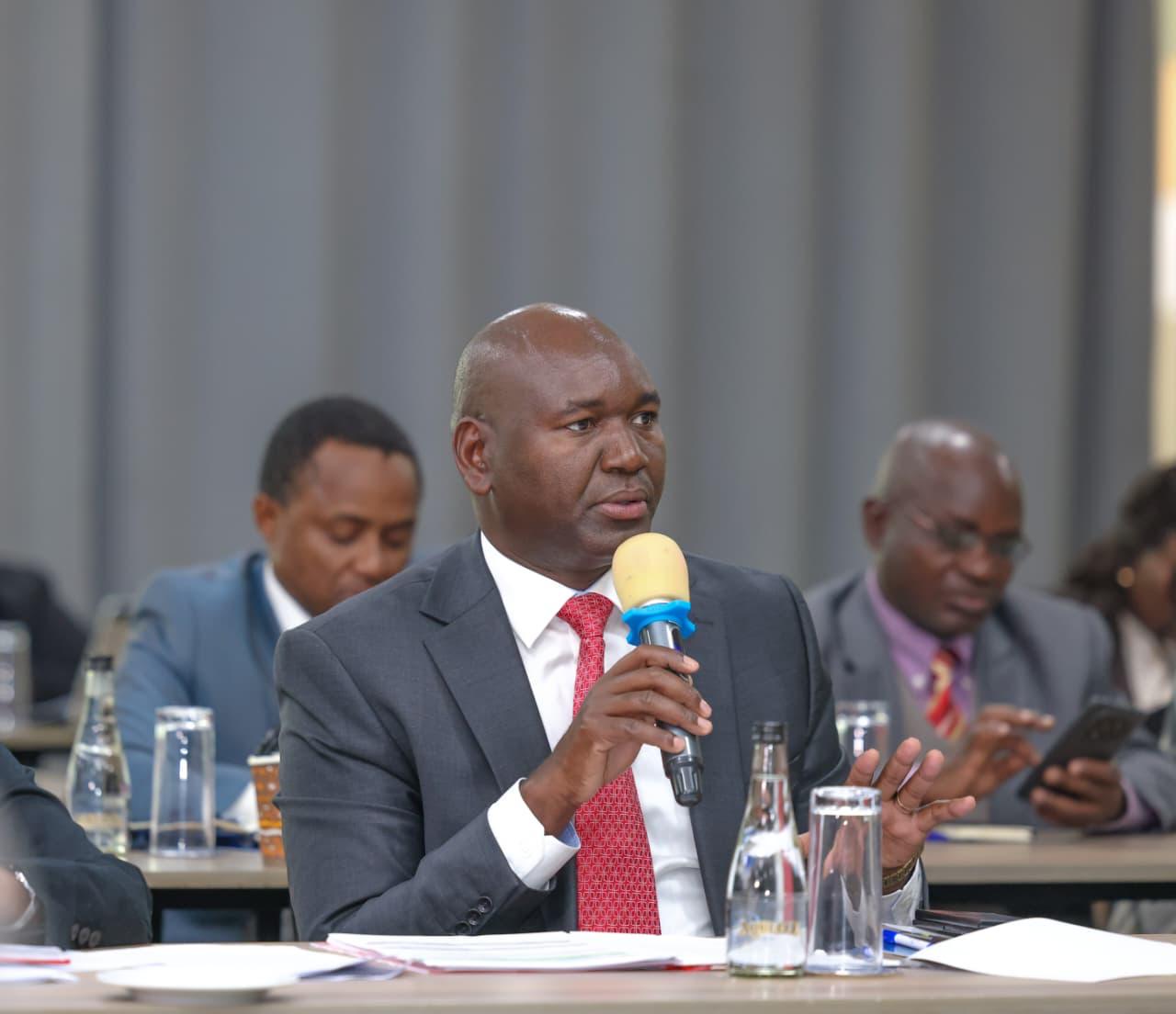
Julius Bitok’s career: Spans two administrations
Under President Kenyatta, Bitok served as Kenya’s High Commissioner to Pakistan, a diplomatic assignment requiring institutional competence, negotiation skills and an understanding of international relations. Under President Ruto, he served as Principal Secretary in Immigration and Citizen Services, subsequently moved to Basic Education and later to Tourism and Wildlife.
These are distinct and demanding policy environments involving millions of Kenyans, national institutions and significant economic interests. The appropriate question is therefore not whether Bitok is beyond criticism, but whether his professional record is being evaluated objectively and against demonstrable performance.
Presidential appointments are not certificates of perfection, but repeated appointments across two administrations are certainly not credentials to be dismissed casually.
The Murkomen–Sudi Political Question
“Are Oscar Sudi and CS Onesimus Murkomen questioning President Ruto’s appointment of Julius Bitok? Do they appreciate that the same constitutional authority and presidential prerogative that facilitated Murkomen’s appointment were exercised in appointing Bitok? Or is presidential authority legitimate only when it serves their political interests?”
More importantly, who gave Murkomen and Sudi the mandate to dictate Uasin Gishu’s political leadership, seemingly to the extent of seeking Senator Mandago’s political displacement? If Mandago is being accused of tribalism, why is Oscar Sudi, a Marakwet, accepted as a political leader in Nandi?
When did Murkomen and Sudi suddenly discover Mandago’s alleged tribalism? Is this a consistent principle or a convenient political accusation? And if Murkomen genuinely believes in inclusivity, why did he not consider someone from outside the Marakwet community to spearhead his campaign to be a kingpin?
Should the standards demanded of others not equally apply to him? These questions deserve honest answers.
The larger concern is whether the criticism of Bitok and Mandago is genuinely about competence and inclusivity or whether it is becoming entangled in a struggle for political dominance, influence and control over the region’s leadership structures.

Uasin Gishu Deserves Better
The people of Uasin Gishu are concerned about agricultural productivity, healthcare, education, infrastructure, investment and economic opportunities. They deserve leaders who engage these issues with seriousness rather than turning every political disagreement into a contest of personalities and political camps.
Bitok’s professional experience across diplomacy, immigration, education and tourism provides a legitimate basis for assessing his suitability for public leadership. Equally, his actual performance must remain open to objective scrutiny.
Those questioning his competence should identify specific administrative failures, policy shortcomings or measurable outcomes. Those defending him should demonstrate his achievements. Neither presidential appointments nor political alliances should substitute for evidence.
Ultimately, democracy cannot be reduced to the ambitions of a political clique. No individual or faction owns the political destiny of Uasin Gishu, and no leader has proprietary rights over determining who is acceptable and who must be sidelined.
The same standards of accountability, inclusivity and democratic respect must apply to everyone. Inclusivity must be a principle, not a political convenience. Leadership must be earned through public trust, not imposed through political influence.
That is the conversation Uasin Gishu deserves: intellectually honest, evidence-based and firmly anchored in the public interest.