
The Kenyan society, just like a majority of other African countries, is highly conservative, and a majority of people still hold negative views of Lesbian, gay, bisexual, and transgender (LGBT) people.
This situation is often worsened by the fact that under the Kenyan Constitution, same sex marriage is banned. Often, any individual who associates with the LGBT community, or is considered a sympathiser of those who support the community, faces significant challenges that at times go to the extreme extent of torture.
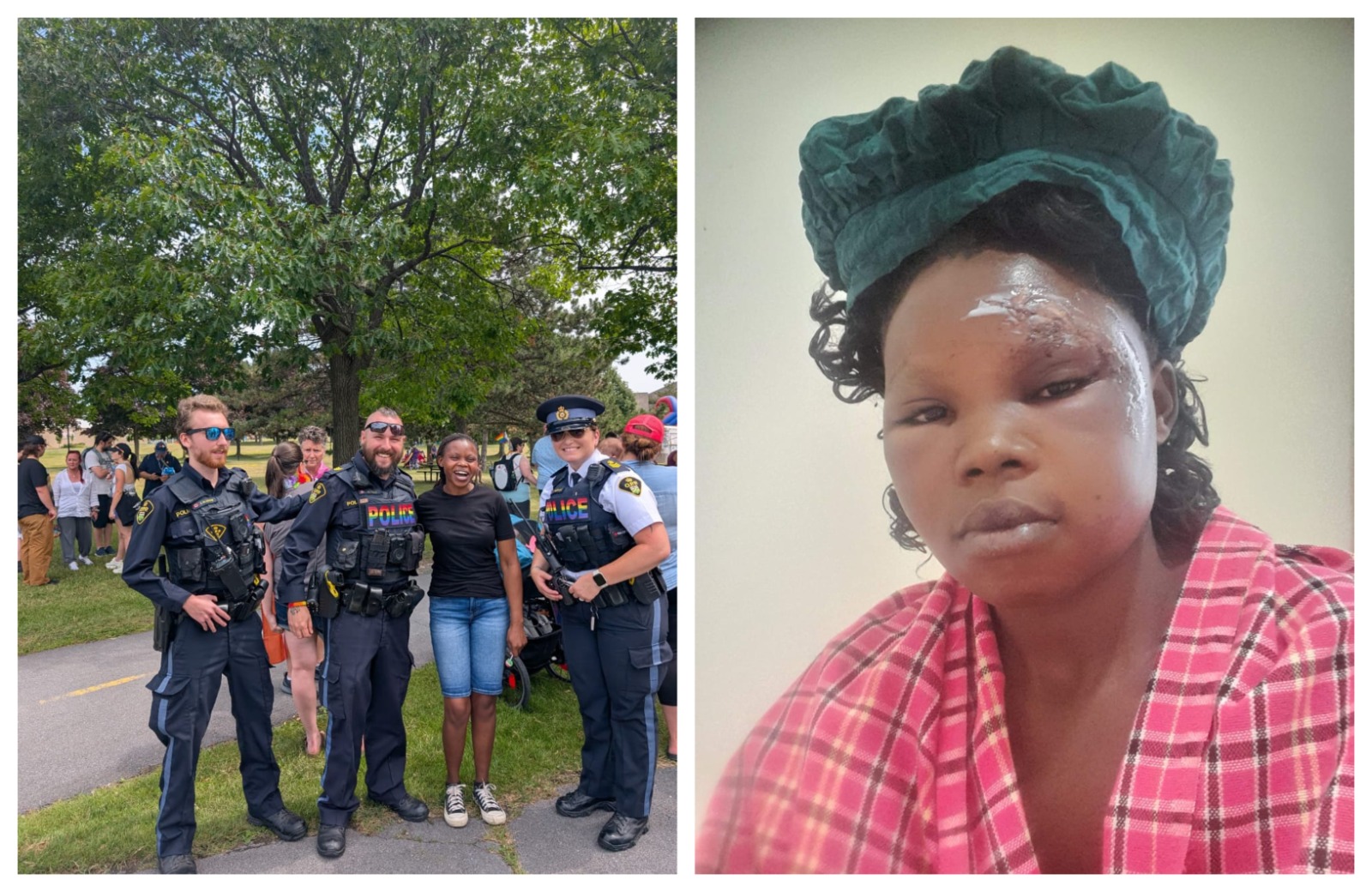
Sheillah Rop, once a journalist based in Eldoret, Uasin Gishu County, is among those who have paid the price of advocating for LGBTQ rights.
“I used to tell stories of LGBTQ people and advocate for their rights, but that did not sit well with the community I was living in. As you know, many Kenyans still have a perception that being a lesbian, gay or queer is a Western culture that has no place in the African set-up,” Sheillah told Uasin Gishu News.
Challenges Kenyans advocating for LGBTQ rights face
She narrated the challenges she went through because of her LGBTQ advocacy work.
Aside from threats to her life (both verbal and online), some members of the community also started sidelining her.
At some point, she was tortured by people who were uncomfortable with her advocacy work.
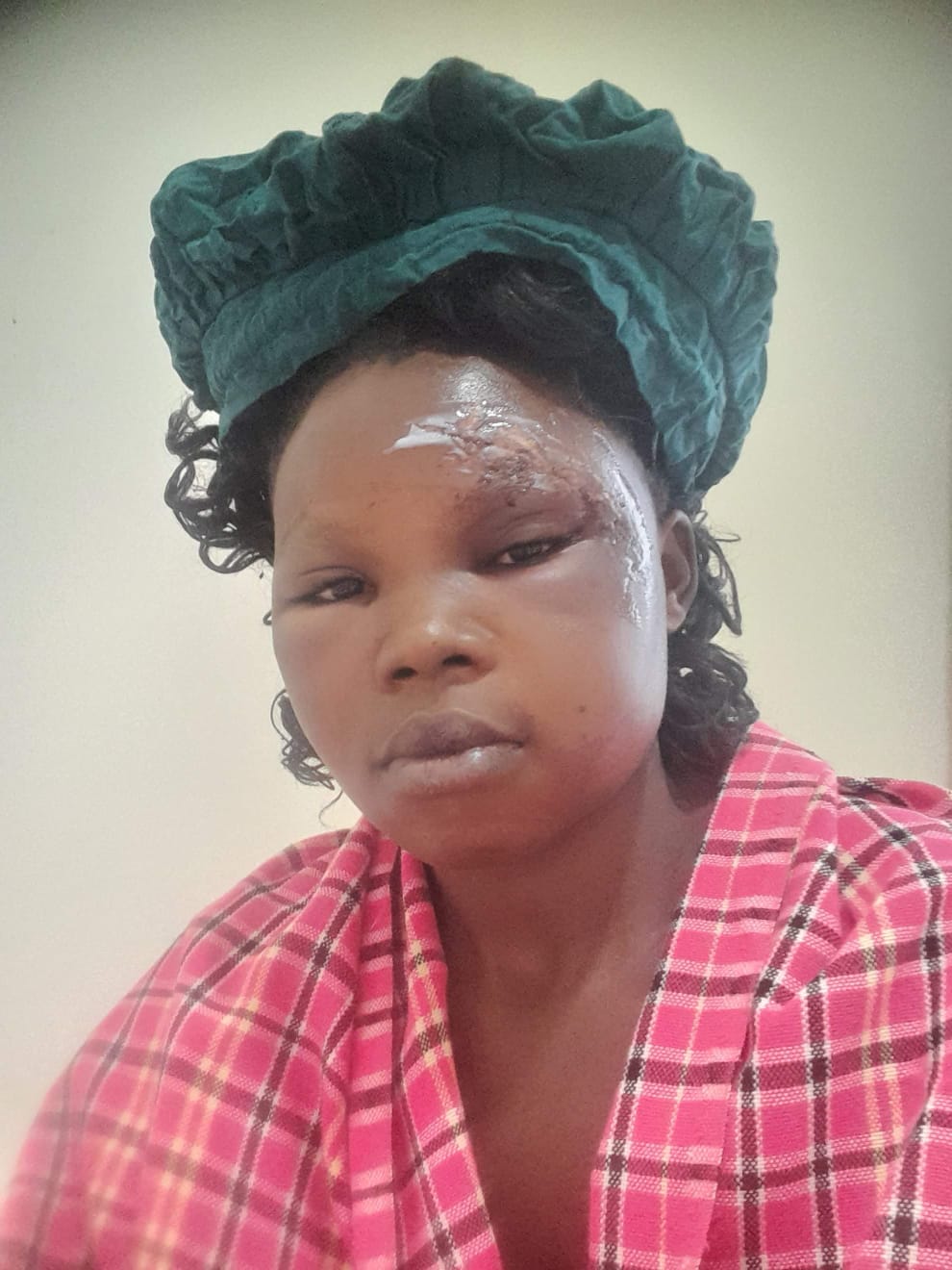
“When you associate yourself with the LGBTQ community in Kenya, there are many risks that come with it. I was once abducted and tortured – an experience that left me with physical and psychological injuries,” Sheillah recalled.
The torture that I underwent in the arms of a group of men who call themselves the pillar of society can’t be explained; they shouldn’t go beyond raping a vulnerable woman like me who was only trying to express humanity to the voiceless.”
“They told me I had to choose between stopping my advocacy work and my life. At that point, I had no option but to seek asylum. I did not feel safe anymore because to them, it was a crime to associate with the LGBTQ,” she added.
Sheillah has since moved abroad, and she now has the freedom to mingle and interact with the LGBTQ community without having to look back over her shoulder.
The situation is a total contradiction of what happens in Kenya.
How are LGBTQ people treated abroad?
“I am now enjoying freedom of meeting and working with the LGBTQ community without fear, as compared to Kenya, where it is a crime to associate with them,” she said.
“Here in Canada, the community is friendly to LGBTQ. Human rights are valued, and there is no discrimination based on an individual’s sexual orientation,” she added.
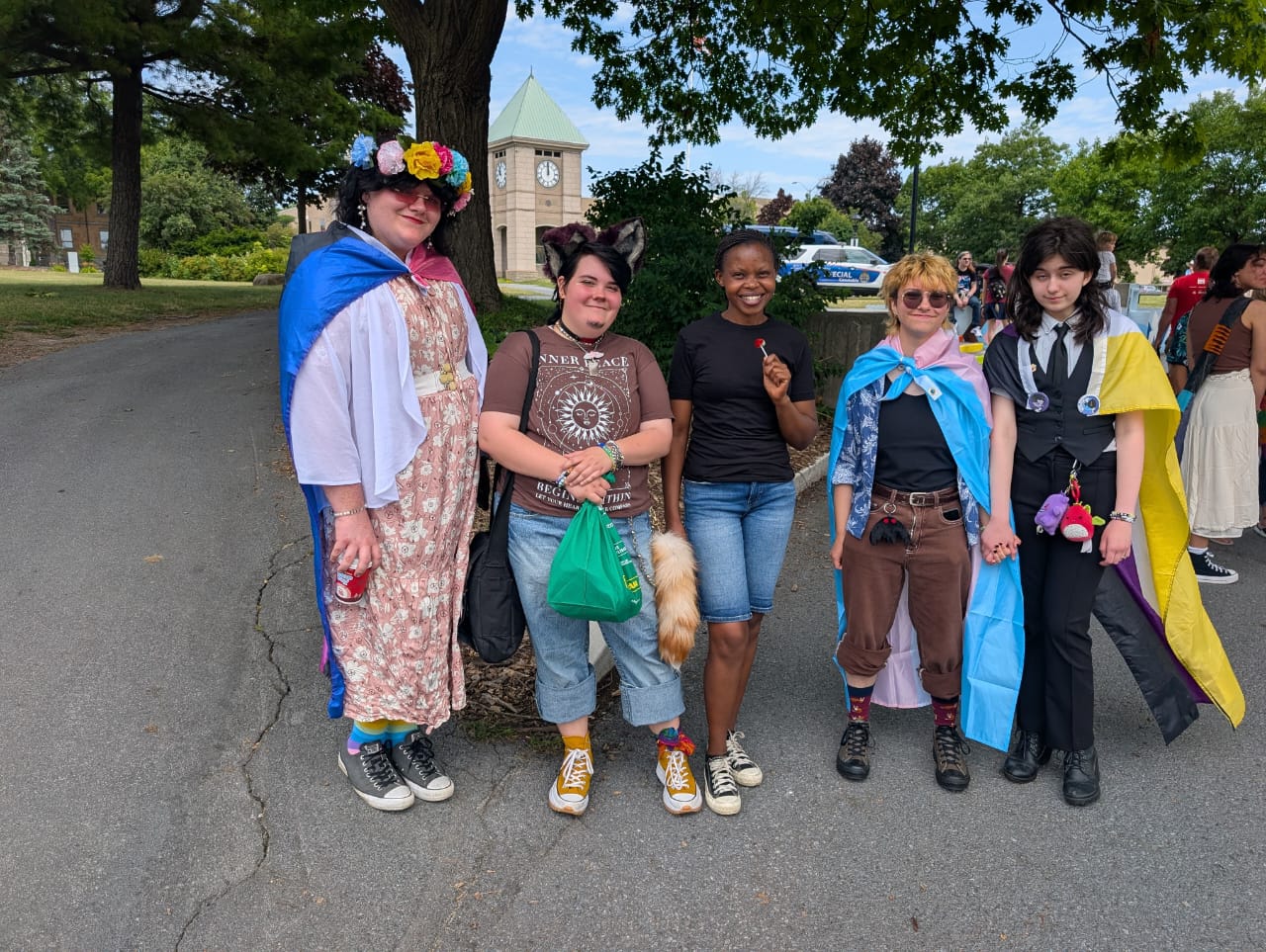
She also had more freedom in choosing her sexuality, unlike in Kenya, where she would face backlash for choosing to engage in a romantic relationship with a fellow woman.
“I now have a couple of girlfriends who have totally changed my mind, and I see no big deal in enjoying myself with them, because they are more romantic and caring,” Sheillah said.
Are same sex relationships allowed in Kenya?
In Kenya, there are no explicit protections against discrimination based on sexual orientation and gender identity. Adoption is restricted to heterosexual couples only.
In addition, any sexual practices often termed gross indecency are a felony under section 165 of the Penal Code, punishable by five years’ imprisonment.
There has been an attempt by activists to seek orders declaring Sections 162 and 165 of the Penal Code unconstitutional, but in May 2019, the High Court of Kenya threw out the case.
“I wish Kenya would always be like other third-world countries that permit every individual to enjoy the freedom of sex, and even allow comprehensive sexual education in schools,” Sheillah noted.