
The rise of short-form video platforms has prompted a significant shift towards entertainment-focused news consumption, with data indicating their growing role in how audiences access information.
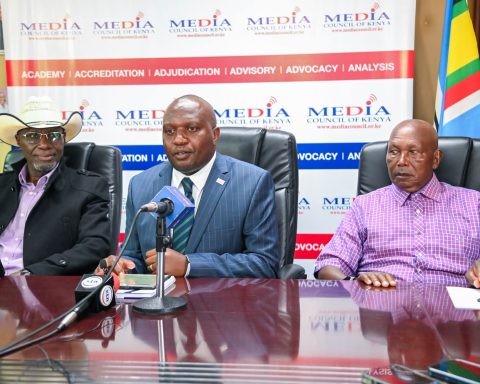
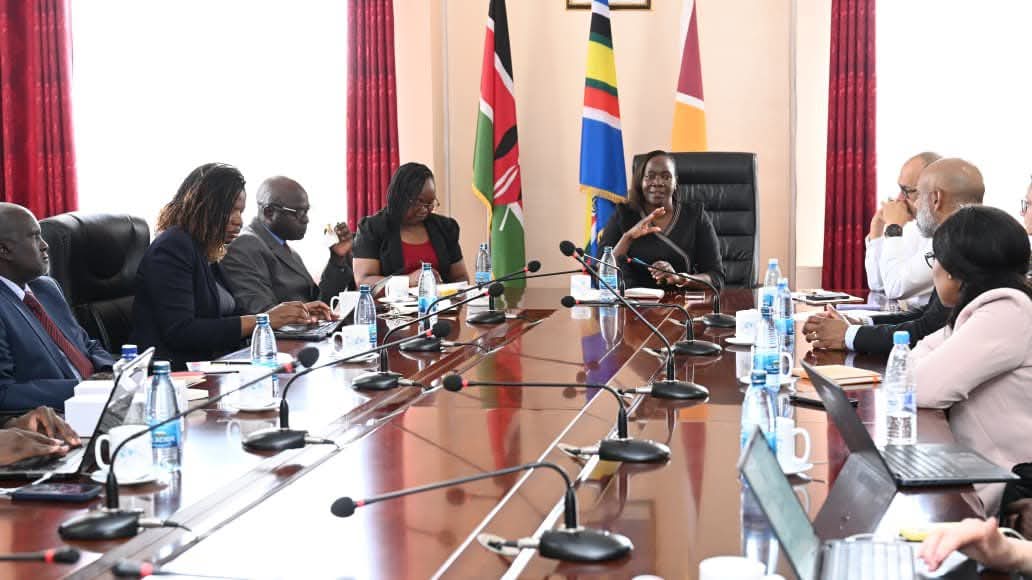
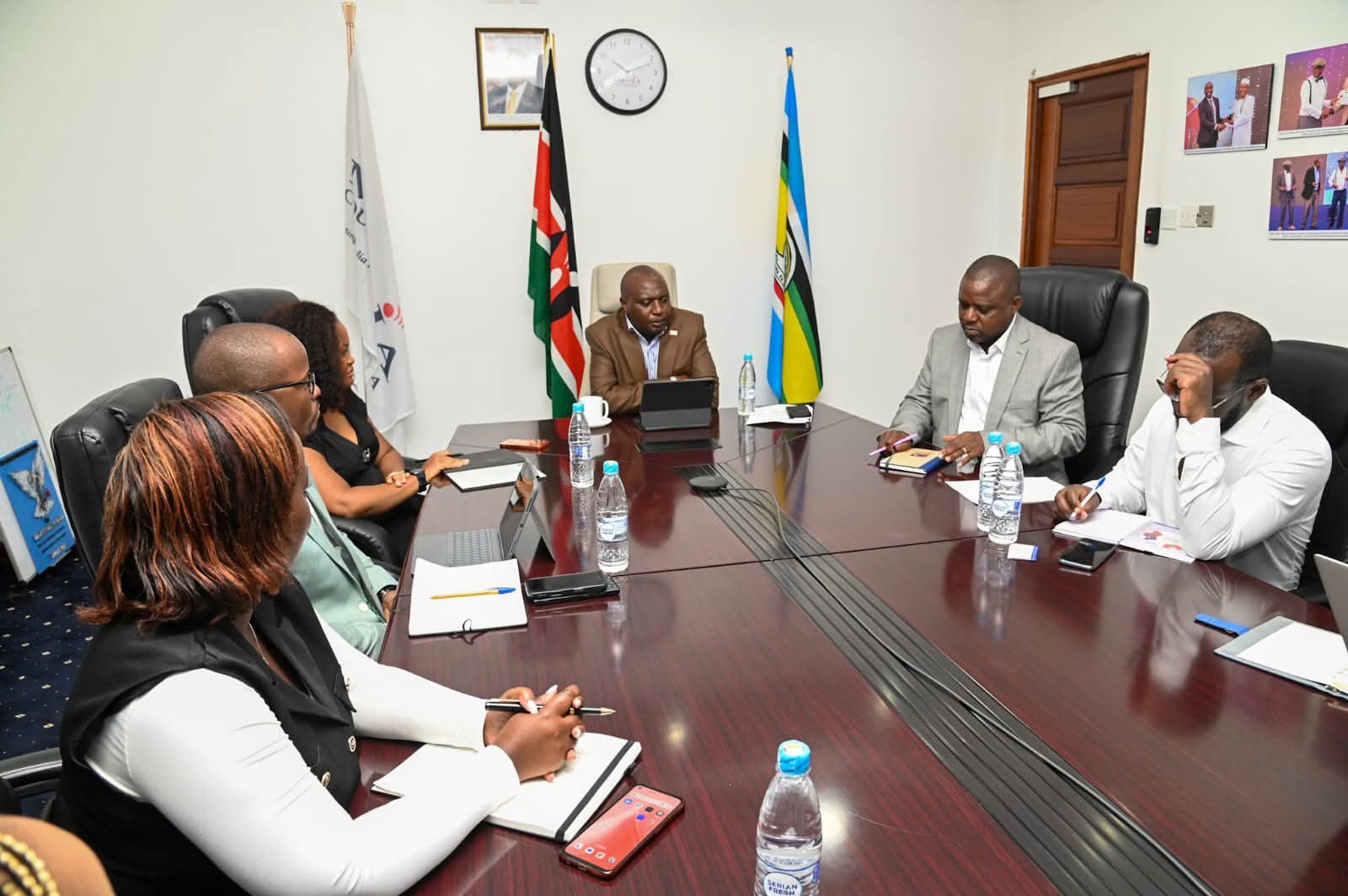
Media Council of Kenya (MCK) Chief Executive Officer David Omwoyo acknowledged this trend during a meeting with TikTok officials at the Council’s headquarters in Nairob.
He noted that the prevalence of such platforms presents opportunities worth exploring — particularly for journalists transitioning out of traditional newsrooms into digital content creation and monetisation.
“70 per cent of the masses use TikTok for news. Despite layoffs in the media industry, many journalists have successfully transitioned into digital content creators,” he said.
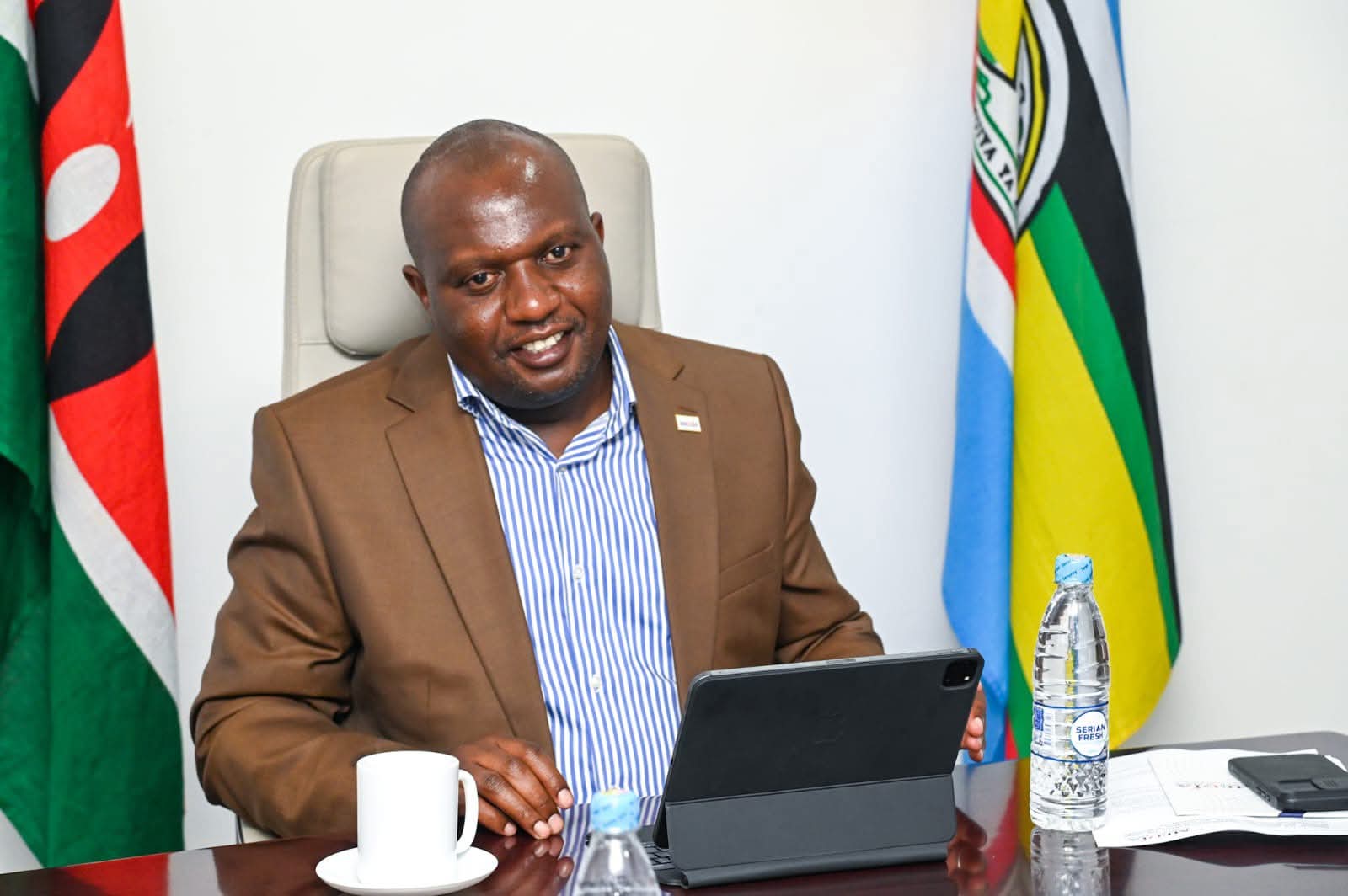
Omwoyo emphasised the need for information regulation and moderation, noting that a structured environment would yield better economic outcomes for creators.
“Content moderation is key to ensuring the information superhighway remains clean, which in turn provides sustainable economic benefits,” he stated.
How MCK is helping content creators?
Additionally, he observed that the Council has been conducting capacity-building sessions to help creators monetise their work and to educate consumers on safe digital practices.
“We have been running training sessions to build the skills necessary for sustainability through monetisation. Under our Media Information and Literacy (MIL) forums, we have also trained consumers on responsible digital use,” he added.
The Chief Executive Officer called for a formal partnership between the two organisations, highlighting potential areas of collaboration such as the development of a localised code on content moderation.
TikTok’s Acting Government Relations and Public Policy Lead, Ms Tokunbo Ibrahim Okuribido, explained that content moderation relies heavily on keywords.
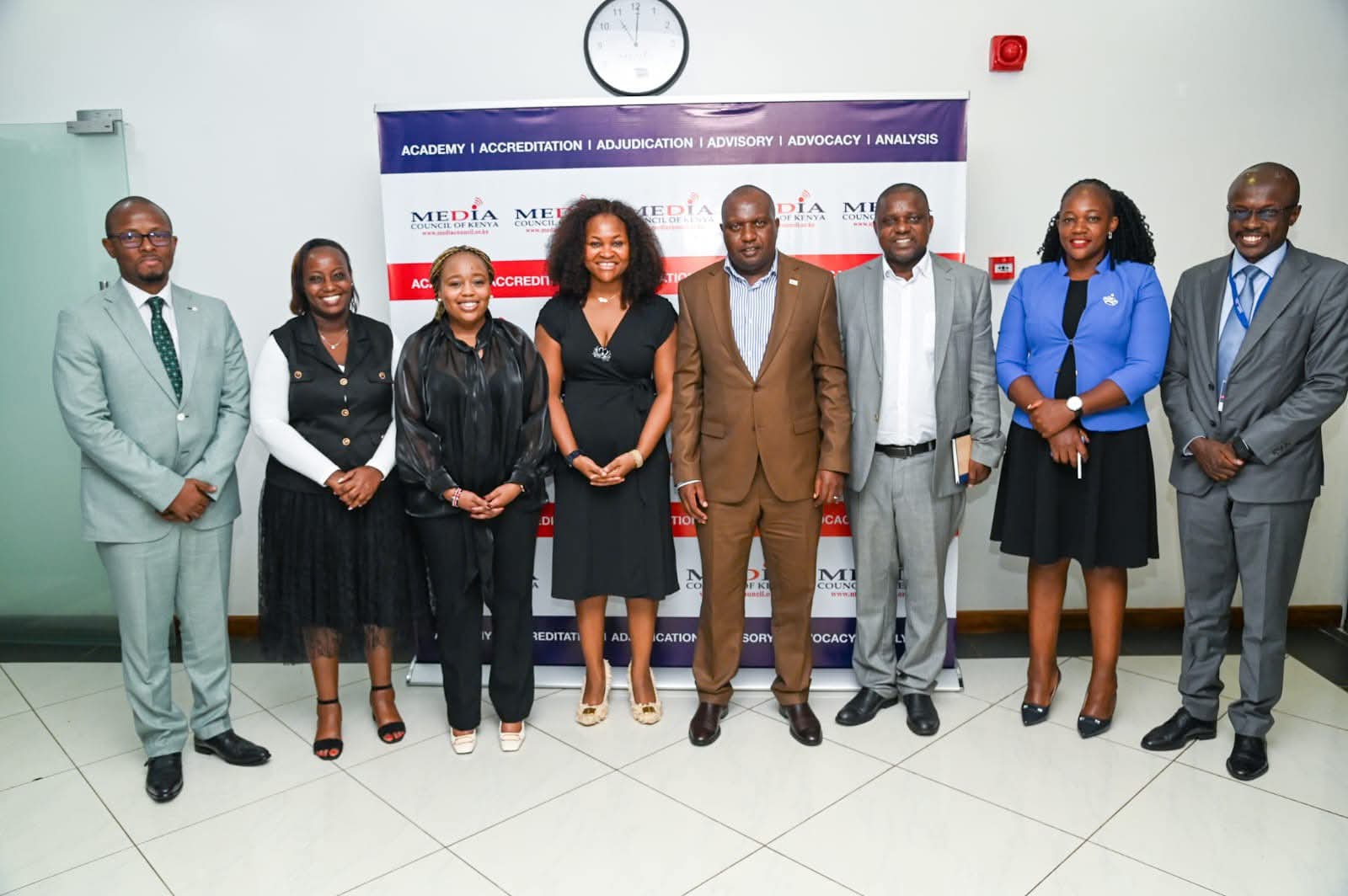
She expressed a desire to expand this lexicon by sharing and receiving additional keywords from local partners. She also noted the unique importance of vernacular media content in these digital conversations.
“Content moderation is executed using keywords across different languages,” she explained.
TikTok’s Head of Communications for Sub-Saharan Africa, Ms Keagile Makgoba, echoed the need for synergy. She requested more information on the upcoming Annual Media Summit, identifying it as a key avenue for collaboration.
She underscored the importance of addressing existing gaps to foster long-term relationships, whilst highlighting TikTok’s work with media associations to combat tech-facilitated gender-based violence.
TikTok addresses concerns over upcoming Kenyan elections
Regarding elections, Ms Makgoba stated that TikTok has managed intense campaigns via a mission control room. This involved integrating a lexicon of keywords from various organisations to better understand and monitor election-related issues.
“Using these lexicons was instrumental in helping us understand how narratives transition on the platform,” she said.
She further highlighted that TikTok has conducted fact-checking workshops with journalists, NGOs, and government agencies. She explained the value of partnering with international fact-checkers and Africa Check to provide essential tools and education to the media.
On monetisation, she noted that TikTok has hosted several creative workshops in Nairobi and across the region to help creators earn safely. She pointed to the platform’s various monetisation suites as a significant opportunity for journalists and media houses.
Ms Pereruan Kenana of TikTok’s Global Communications team elaborated on their initiatives regarding tech-facilitated gender-based violence.
“We have done extensive work in this space, collaborating with media associations, houses, and individual journalists. This is a continuous effort for us,” she said.
Ms Kenana highlighted that following workshops in Kenya and Ethiopia, TikTok’s safety teams developed new measures to track and monitor cases of digital violence.