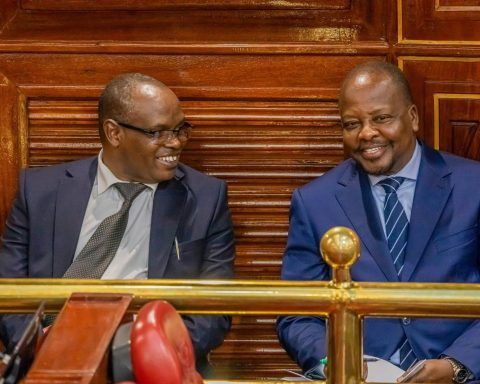

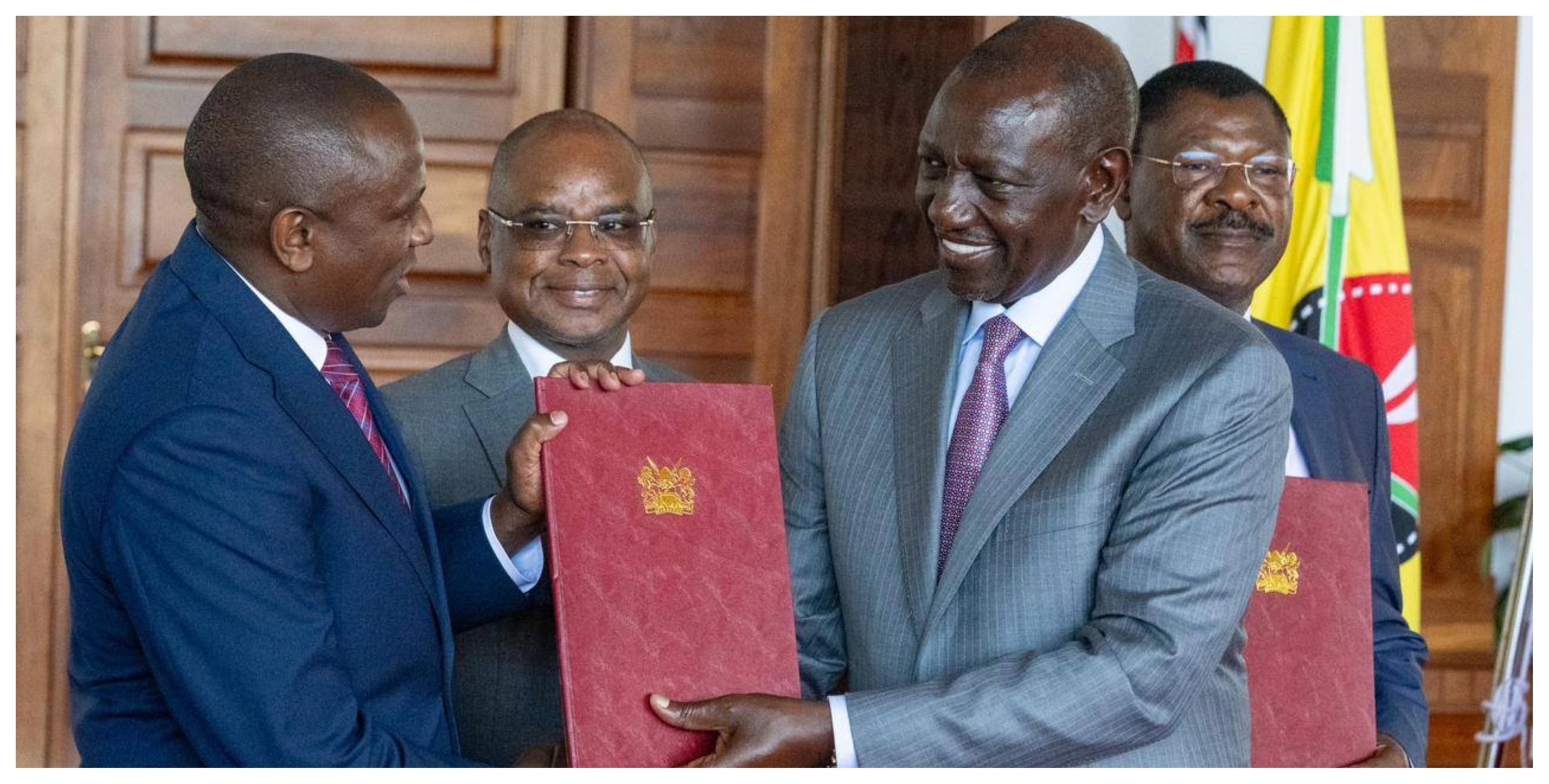
The Coffee Bill (Senate Bill No. 10 of 2023), co-sponsored in the Senate by Kirinyaga Senator James Kamau Murango and in the National Assembly by Majority Leader Kimani Ichung’wah, has been assented into law.
The principal object of the Bill is to provide for the development and regulation of the coffee industry in Kenya by proposing the re-organisation of the coffee industry by transitioning the regulatory and commercial roles currently undertaken by the Agriculture and Food Authority (AFA) to the Coffee Board of Kenya
The Board will be tasked with regulating and promoting the development of the coffee sector, processing licensing applications, registering dealers, and overseeing strategies, policies, and financing mechanisms for the industry.
It will also collect industry data, conduct market intelligence surveys, and spearhead efforts to promote Kenyan coffee in both domestic and international markets.
What will be the mandate of the Coffee Research and Training Institute?
The Act also establishes the Coffee Research and Training Institute, which will spearhead scientific research, training, and innovation within the coffee sector.
The Institute will be responsible for advancing research on coffee diseases, developing improved and climate-resilient coffee varieties, and promoting sustainable production systems.

It will also coordinate research activities and serve as the lead scientific agency in coffee breeding, and will be tasked with disseminating research findings to stakeholders as well as providing scientific advisory services to both national and county governments.
The Act further introduces a comprehensive regulatory framework covering coffee production, licensing of industry players, and the movement of coffee within Kenya.
All participants in the coffee value chain, including growers, millers, roasters, cooperative societies, coffee estates, and nursery operators, will be required to register with their respective county governments.
Who will issue licences under the new Coffee Bill?
The Act also defines Licensing responsibilities, directing certain licences, such as those relating to coffee exchanges and brokers, to be issued by the Capital Markets Authority, while other licences, including those for warehouse operators, buyers, cupping laboratories, and importers, are to be issued by the Board.

To finance the growth of the industry, the Act introduces a 2.5% Coffee Development and Marketing Levy on the export and import value of coffee. The revenue generated from the levy will be distributed across the key institutions and development initiatives within the sector.
The enactment of the Coffee Act is expected to strengthen coordination between national and county governments while creating a more structured and transparent coffee value chain.