
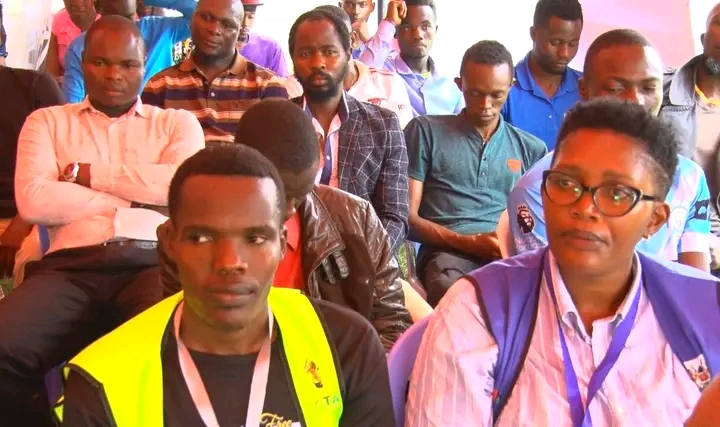
250 young people in Trans Nzoia County’s 5 informal settlement have completed a 45-day socio-emotional skills training under the (KISIP2) NYOTA collaboration Program, aimed at empowering young people with life skills, entrepreneurship, and resilience.
The training, held at different venues including Matisi sub-Chief’s office, is part of the Kenya Informal Settlements Improvement Project (KISIP2) and targeted unemployed youth aged 18–35 years, the program has already trained 250 youths across five informal settlements in the county.
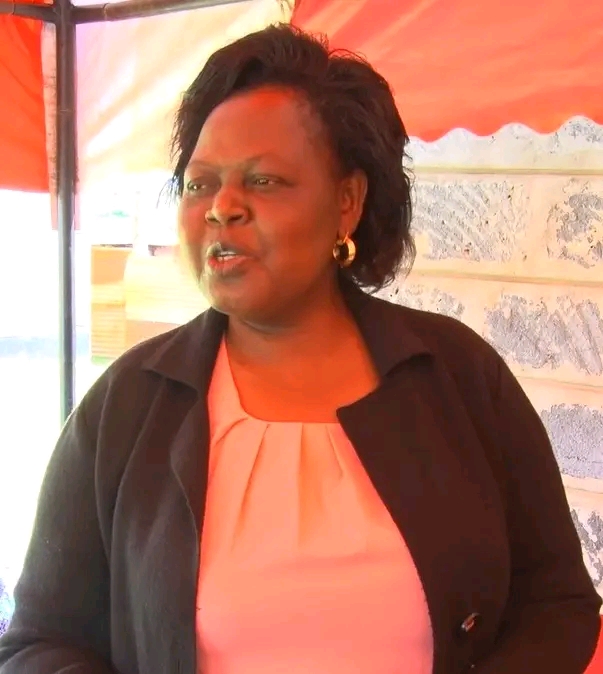
Speaking during the closing ceremony, Trans Nzoia County (KISIP2) Social Safeguards Officer Pamela Indimuli said the initiative is designed to help young people create job opportunities and contribute to sustainable economic growth.
“The program focuses on practical skills, innovation, and enterprise. We want our youth to be job creators, not just job seekers,” she said.
Her sentiments were echoed by Collins Wekesa, the KISIP2 project GBV focal person and who explained that the training covered seven units including social and emotional learning, health, youth employment, business start-up, operations, and financial planning.
“We engaged community leaders and settlement committees to ensure smooth entry and ownership of the program,” he noted.
Impact of KISIP’s socio-emotional skills training
Local leaders praised the impact of the training. Matisi Senior Chief Janet Nafula Wekesa said she had already seen positive changes among the youths.
“Some of the young people who were once a challenge in the community have now started small investment projects. This training is changing lives,” she said.
Assistant Chief Moses Wafula Wamalwa and grievance committee chairperson Mr.Robert Kizito also applauded the smooth implementation of KISIP2 projects, which include street lighting, water connectivity, and ablution block in Kipsongo.
Beneficiaries shared their experiences, saying the training had opened their eyes to new opportunities.
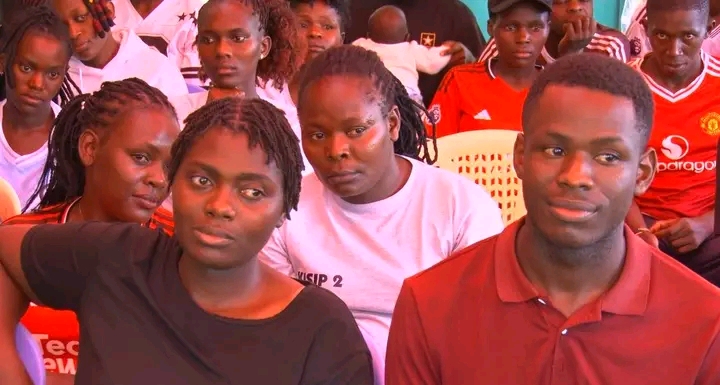
“I learnt about conflict resolution and entrepreneurship. Now I know how to start small and grow a business,” said Lodrick Kirui and Shadrack Nakitare Wafula.
Another trainee, Emmah Wamukota and Wafula Lorna, said they are going to use her knowledge to sensitize peers on the dangers of alcohol and drug abuse.
Trainers Faith Nakhabi and Douglas Haron expressed pride in the progress made.
“The youths can now write CVs, attend interviews, and even start enterprises. We urge for more support so they can put into practice what they have learnt,” they said, with calls from community leaders for more youths to be enrolled to help curb unemployment and social challenges in informal settlements.