
The Government has stepped up efforts to promote fair, transparent and responsible digital lending.
National Treasury has now outlined a raft of regulatory and policy measures designed to shield Kenyans from exploitation and curb predatory practices in the fast growing credit market.
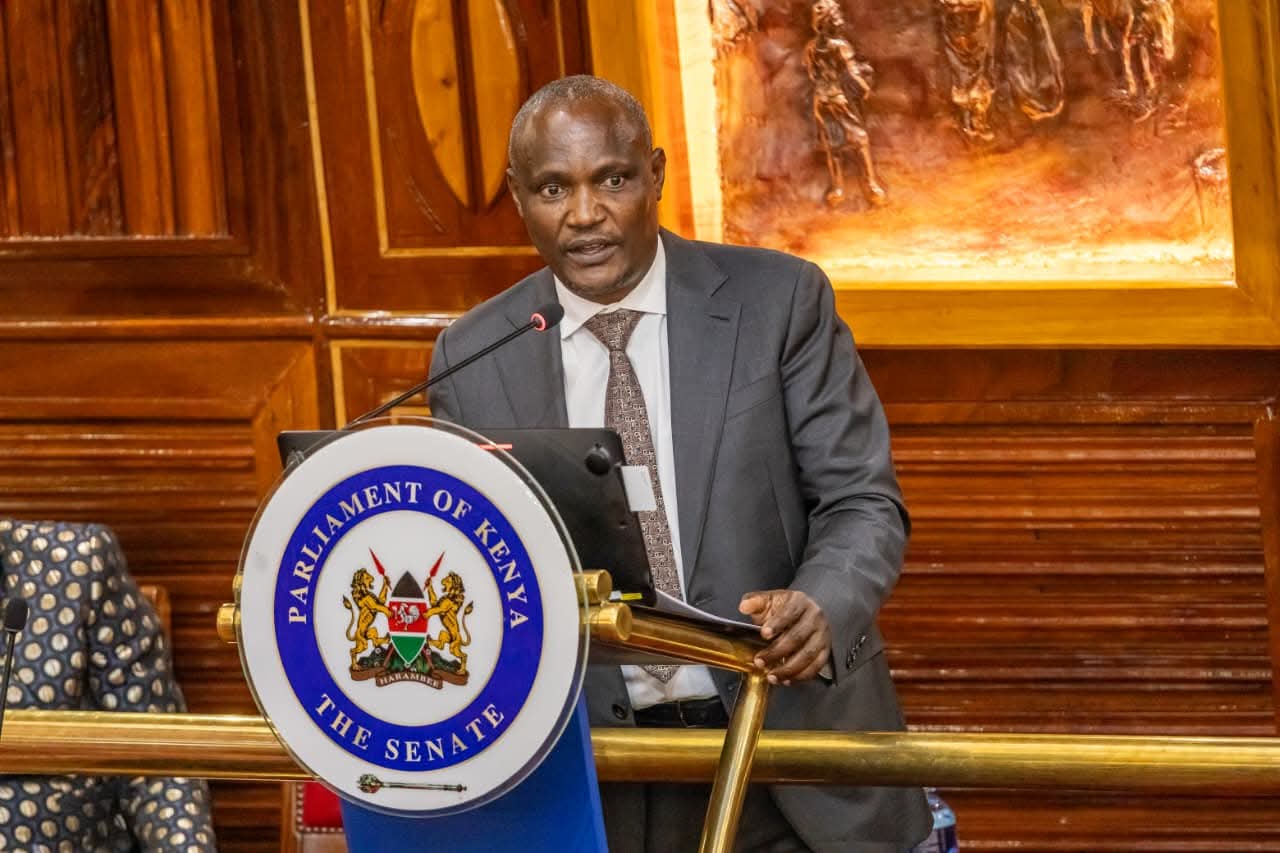
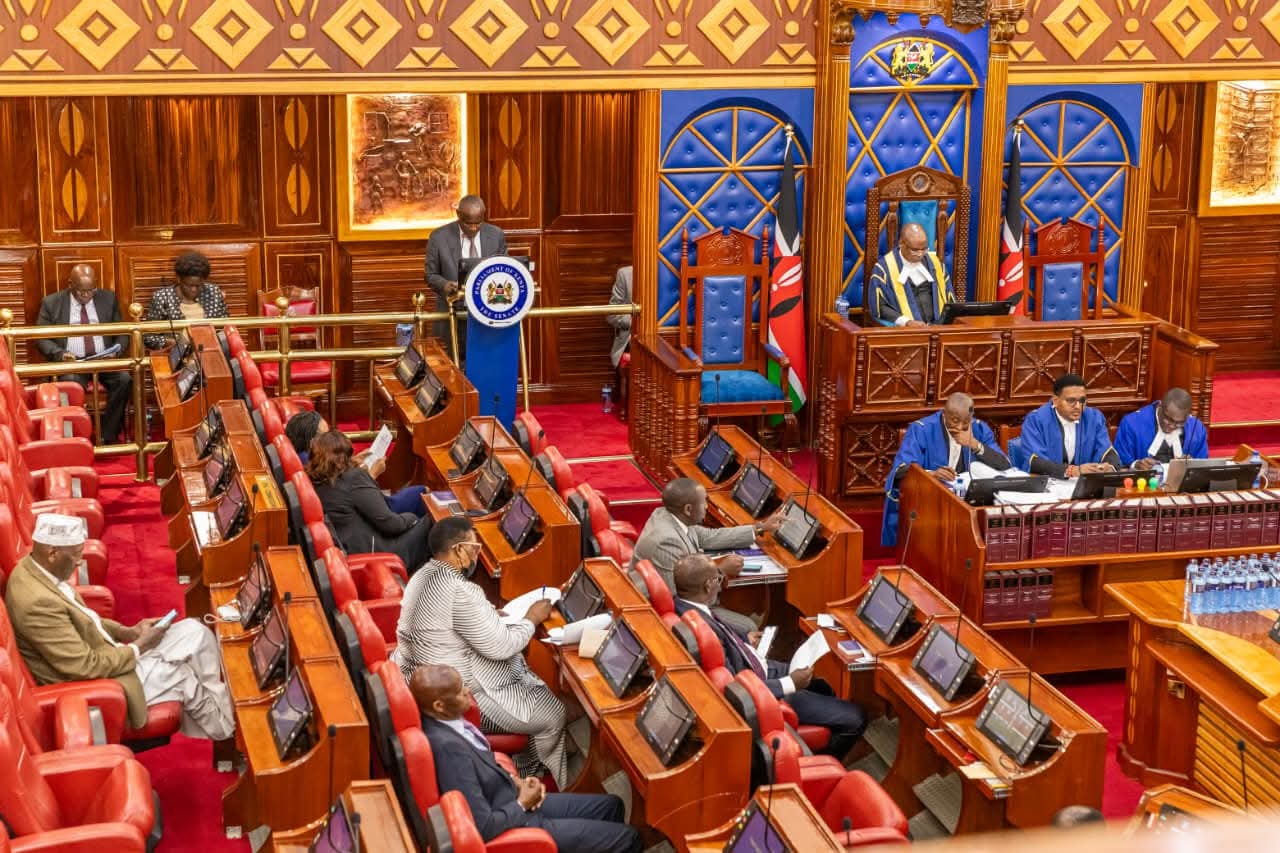
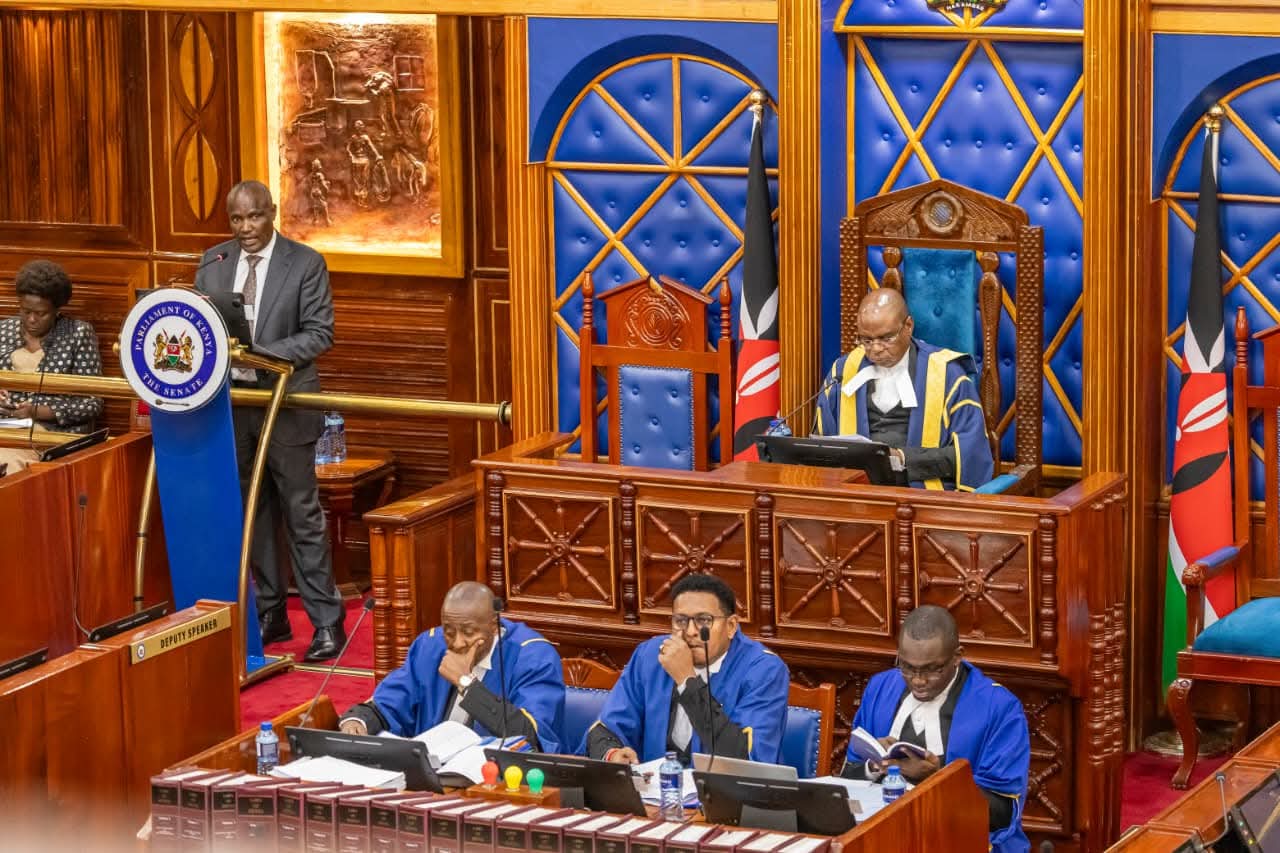
Appearing before the Senate, Cabinet Secretary for the National Treasury and Economic Planning, John Mbadi detailed the interventions in response to questions raised by Kisumu Senator Prof Tom Ojienda and posed on his behalf by Sen Wafula Wakoli (Bungoma).
How govt is protecting Kenyans from rogue digital leaders
Among the key safeguards, the CS said is a robust licensing and regulatory oversight regime led by the Central Bank of Kenya (CBK), which now requires all Non-Deposit Taking Credit Providers (NDTCPs) to be licensed under a Digital Credit Providers regulatory framework.
The framework sets out eligibility criteria, governance standards, operational requirements and consumer protection obligations aimed at cleaning up the sector.
“These measures have been introduced to ensure compliance with the law and most importantly to safeguard customers’ interests and prevent rogue lending institutions from infringing consumer rights,” CS Mbadi told the House.
The CS revealed that the CBK is working closely with the Office of the Data Protection Commissioner to coordinate enforcement and ensure consistent application of data privacy standards across digital lenders.
“CBK requires all licensed NDTCPs to fully comply with the Data Protection Act and its Regulations. As part of the licensing and supervisory framework, NDTCPs must obtain a certificate issued under Section 19 of the Act from the ODPC as a pre-licensing condition and develop a robust data protection policy,” he said.
He added, “That policy must clearly set out how personal data is collected, processed, stored and protected and must align with lawful, fair and transparent practices under the Act.”
The licensing requirement, he said, has played a critical role in curbing predatory lending practices, including exorbitant interest rates and unethical debt recovery tactics by ensuring that only compliant entities operate in the market.
How many licenced digital lenders are in Kenya?
Providing an update on the status of digital lending platforms, CS Mbadi noted that the CBK currently licenses three categories of institutions to lend to the public, 38 commercial banks, 14 microfinance banks and 195 non-deposit-taking credit providers, previously referred to as Digital Credit Providers.
Licensing and oversight are conducted under the Banking Act, the Microfinance Act and the CBK Act, all of which contain comprehensive provisions governing entry into and conduct within the financial sector.
“As of December 2025, credit to the private sector by commercial banks, microfinance banks and digital credit providers stood at Ksh 4,369.6 billion, Ksh 32.7 billion and Ksh 110.5 billion respectively,” the CS disclosed. “This represents 96.8 per cent, 0.8 per cent and 2.4 per cent of total credit advanced by these institutions.”
In a separate response to Prof. Ojienda, the CS updated Senators on the implementation status of ongoing economic and social programmes aimed at reducing poverty and easing household hardship.
He said successive Medium-Term Plans have prioritised programmes targeting poverty both directly and indirectly. Direct interventions include social transfers, while indirect measures include policies such as interest rate reductions to stimulate economic activity.
Lower interest rates, he argued, improve access to credit for small and medium-sized enterprises (SMEs) and households, which in turn boosts incomes and economic growth.
“In December 2024, the CBK reduced its benchmark interest rate from 13.0 per cent to 11.25 per cent. This led to a 1.4 per cent increase in credit advanced by commercial banks and non-bank financial institutions to Ksh 7,140.3 billion as of December 2024, according to the Economic Survey 2025,” he said.