
The Kenya Wildlife Service (KWS) in collaboration with the County Government of Elgeyo Marakwet has embarked on a mission to transform Rimoi National Reserve.
On Friday, July 31, 2026, Governor Wisely Rotich together with Kenya Wildlife Service board chairperson Joseph Lagat, inspected various development works at the reserve.
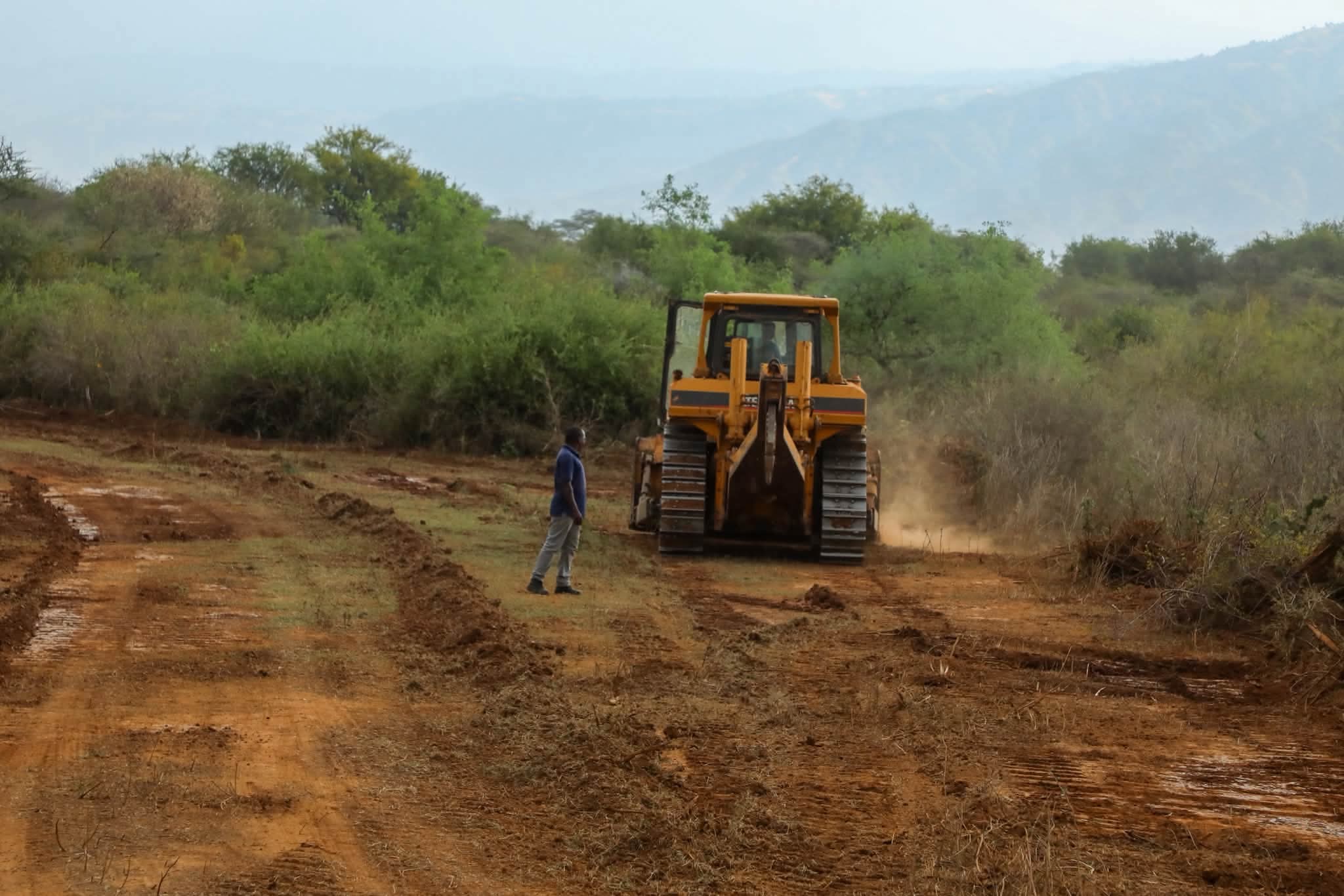
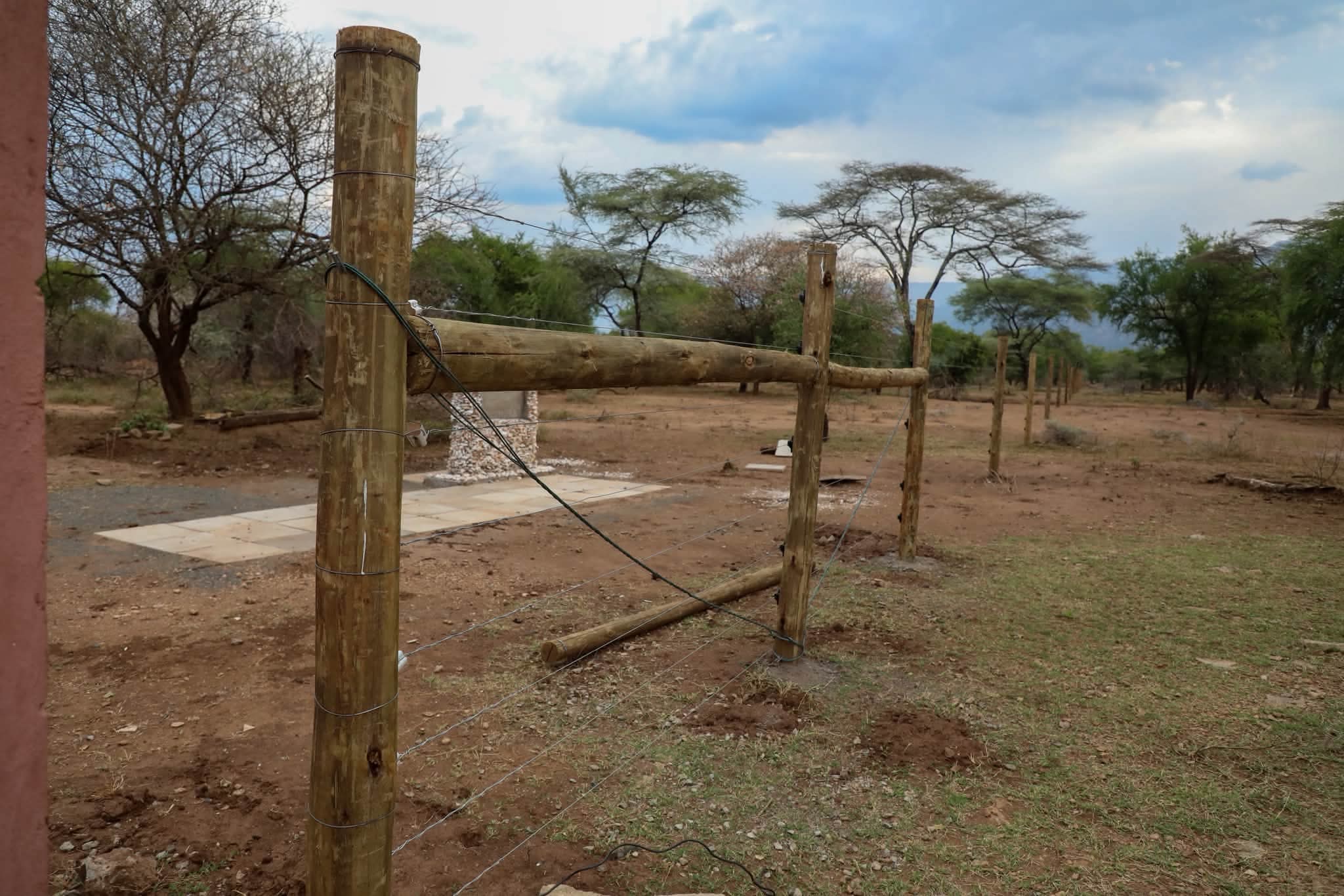
Governor Rotich revealed that ongoing works includes grading and murraming of roads across the park, expansion of Tabar and Kapkelelwa water pans and fencing of the park.
“The water pans will provide water to keep the wild animals in the park and give a memorable experience to tourists,” the county boss said.
He further noted that once the electric fencing is completed, there will be reduced human-wildlife conflicts that has been a pain to farmers.
Additionally, Governor Rotich said the current road opening will enable the county to open a new gate at Kabulwo and tourists will be able to drive through the whole park and exit at the second gate and vice versa.
“We are creating a safe, more accessible park for both the wildlife and visitors,” he said.
What is found in Rimoi National Reserve?
Rimoi National Reserve is a 66 km² protected area located in Elgeyo Marakwet County, in the Kerio Valley on the floor of the Great Rift Valley in western Kenya. Gazetted in February 1983 and rehabilitated in 2015, it reopened in March 2016 under the management of the Kenya Wildlife Service and the county government. The reserve lies along the Kerio River, opposite Lake Kamnarok National Reserve, and together they form a larger ecosystem.
Rimoi is renowned for its large elephant herds, with up to 450 elephants migrating through seasonally, alongside dikdik, impala, warthog, zebras, Rothschild’s giraffes, monkeys, and leopards. It also supports over 450 bird species and diverse reptiles.
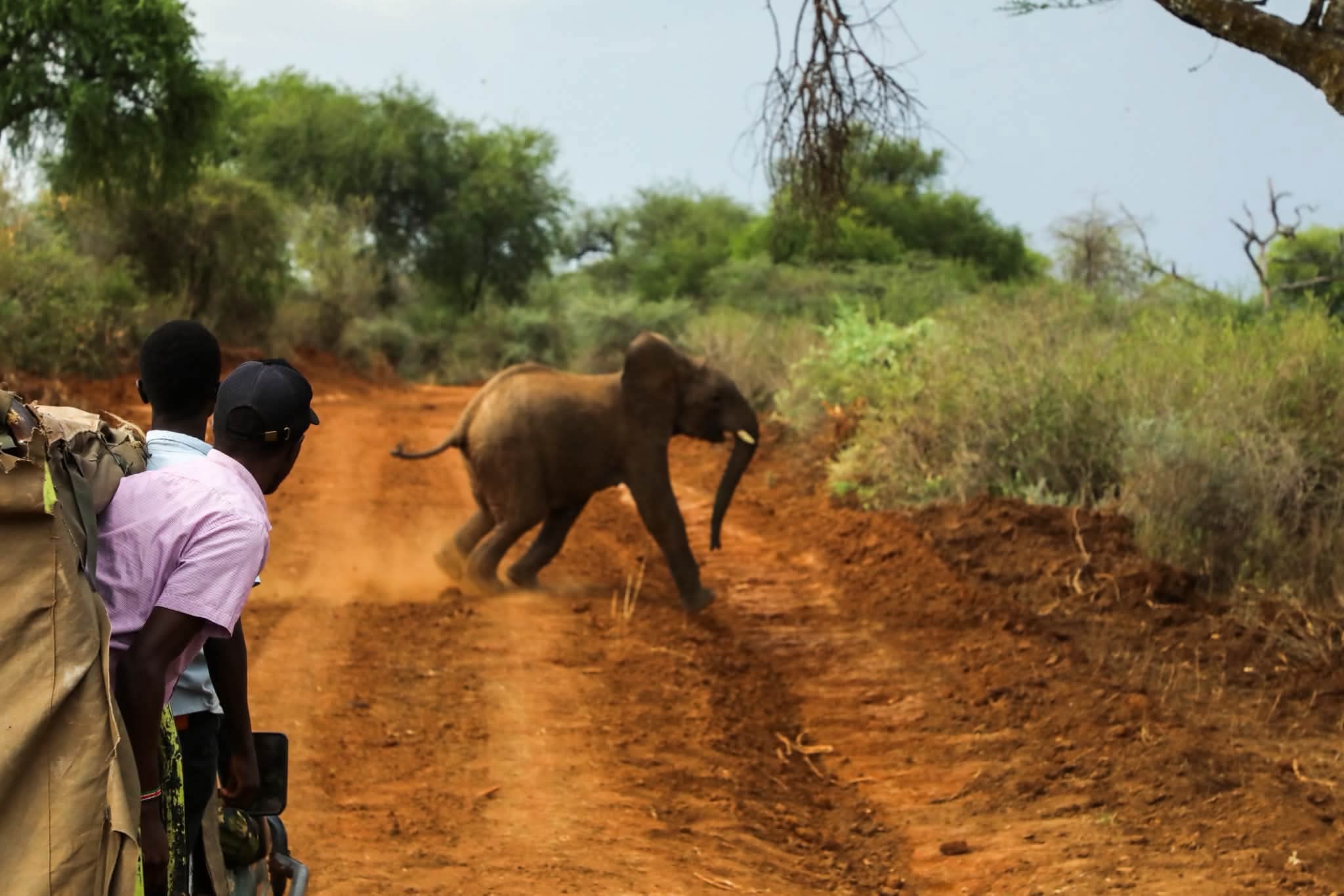
The landscape features semi-arid savannah, acacia woodland, and escarpment views.
Activities include game drives, birdwatching, hiking, and camping. Challenges include human-wildlife conflict and resource pressure, but ecotourism is being promoted as an alternative livelihood. Rimoi is marketed as a quiet, off-the-beaten-path destination for wildlife and Rift Valley scenery.