
By OPCS Press Service
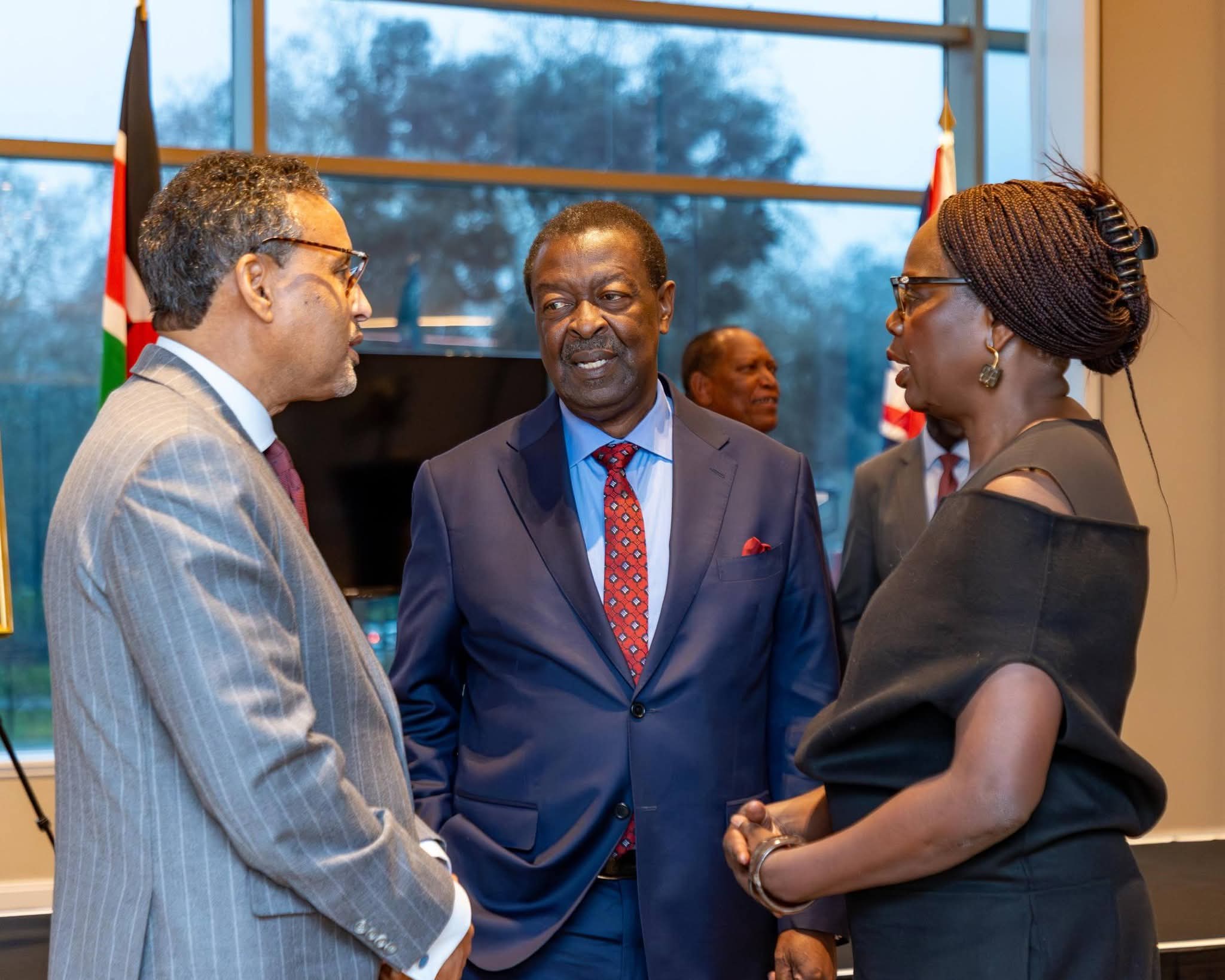
Prime Cabinet Secretary Dr. Musalia Mudavadi has said that the Kenyan government is focused on the safety and well-being of more than half a million Kenyan nationals living, working and studying in the Middle East.
Dr. Mudavadi said Kenya remains a neutral and principled voice advocating for peace, restraint, humanitarian protection and international legality.
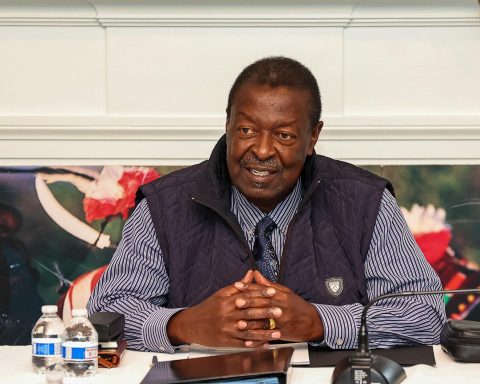
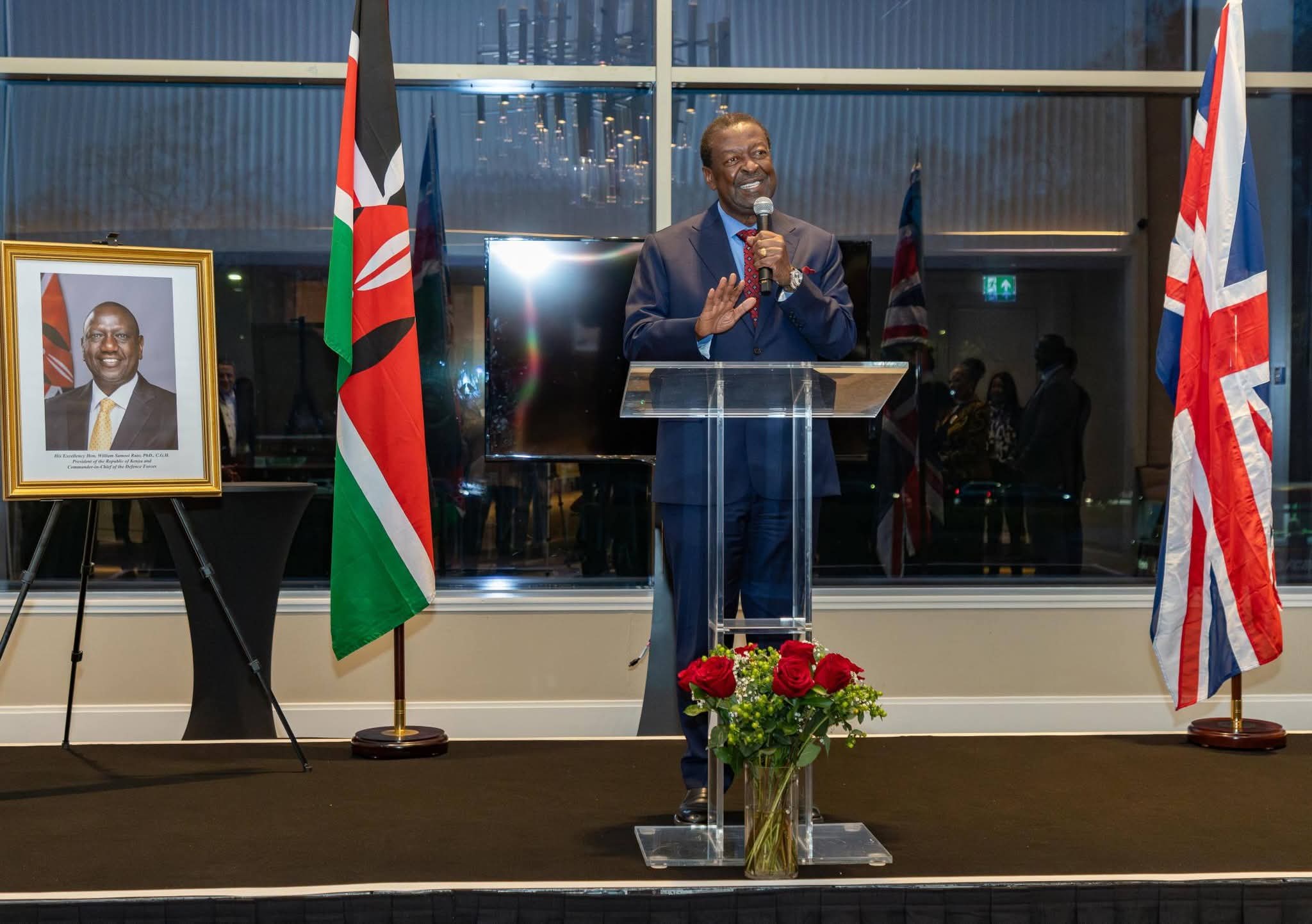
Speaking when he gave his speech to Chatham House, the Prime CS said that the longer the violence and insecurity last, the greater the harm, especially if traffic through the Strait of Hormuz remains blocked.
“There will be disruptions to energy supply, air travel and faith will have greater ramifications economically and security-wise. Clearly, our region is still battling with terrorism, and it must remain this crisis, the Middle East war, like other global crises, including covid 19 and the Russia-Ukraine war,” said Dr. Mudavadi.
What Africa can learn from US-Iran conflict
The PCS who is also the Cabinet Secretary for Foreign and Diaspora Affairs, said the violent conflict reinforces the need for African states to diversify supply chains and, more importantly, accelerate integration, including the full realisation of the objectives of the African Continental Free Trade Area (ACFTA).
“We must accelerate the transition to renewable energy. Let us reimagine the future. If Africa were powered by clean energy, including solar, geothermal and hydro, the Middle East crisis would not carry the same distressing impact,” said Mudavadi.
In addition, he said that the overlap of the Red Sea crisis and the closure of the Strait of Hormuz, which handles 20 percent of global oil, signals a looming crisis and potential anarchy.
He appealed to the Organisation of the Petroleum Exporting Countries to help de-escalate tensions and be mindful of the looming crisis facing African countries.
“From the impact of the Middle East war, Sudan’s dire humanitarian crisis, which was drawing international attention, or at least beginning to now, risks receding into another era of a forgotten conflict as global attention shifts away to the Middle East, as was the case during the Gaza and Russia-Ukraine conflicts,” he said.
Dr. Mudavadi said that Kenya was keen on its response to the changing world order, international relations stand at a historic turning point.
“The global balance of power is changing. As new alliances emerge, all rivalries resurface, and middle as well as emerging powers continue to assert influence. Apparently, we have entered into a more complex, perilous and contested global order,” he said.
“We are witnessing an international system increasingly marked by interest-driven alliances supplant with multilateral collective economic strategies that prioritise protectionism While constraining global supply chains, transactional calculations and militarism,” said Mudavadi.
What Mudavadi said about USA-Iran conflict
He said the long-standing principles of diplomacy, such as peaceful points of coexistence, negotiations, sovereign equality and mutual reciprocity, the foundational values of international relations, including human rights, inclusiveness, rule-based global order and shared prosperity, were winning.
He noted that the implications of these global changes are most felt in the Global South, particularly in Africa, where the net effect is the disruption of economic growth, escalating conflicts, a new scramble for critical resources, and a resurgence of Cold War-style geopolitics.
Furthermore, Dr. Mudavadi said democratic governance is increasingly coming under strain, marked by a troubling rise in unconstitutional changes of government.
“All brought together, these global trends threaten peace and security and the hard-won economic development of Africa gains. In this moment of global turbulence, African states face a two-fold strategic choice: either to transform their immense potential into strategic influence or to remain at the geopolitical periphery as passive actors and perpetual recipients of international assistance,” said Mudavadi.