

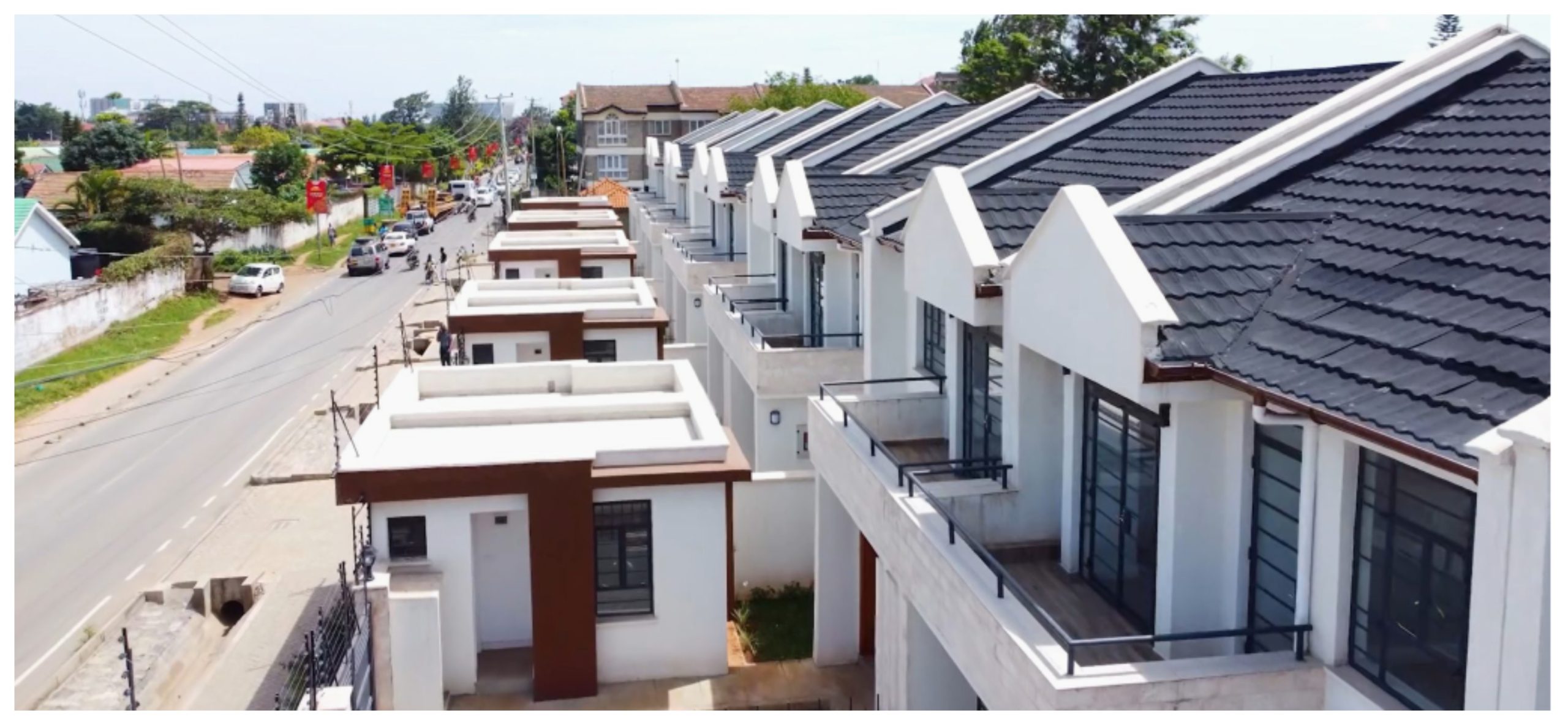
Residential property prices in Kenya recorded moderate growth in the second quarter of 2026, driven largely by demand for standalone houses, according to the latest Residential Property Price Index (RPPI) released by the Kenya National Bureau of Statistics (KNBS)
Data from the index shows that the overall RPPI rose to 120.29 in the second quarter of 2026 from 117.73 during the same period in 2025, translating to an annual inflation rate of 2.2%. This means that, on average, residential property prices increased by 2.2% over the 12-month period.
Residential Property Price Index for 2026
On a quarter-on-quarter basis, residential property prices increased by 1.6% between the first and second quarters of 2026.
The RPPI, which measures pure price changes in residential properties by accounting for variations in property characteristics, covers apartments and standalone houses, including maisonettes, bungalows, townhouses and villas.
The latest figures indicate that standalone houses remained the key driver of growth in the housing market. The index for standalone houses rose from 130.49 in the second quarter of 2025 to 134.47 in the second quarter of 2026, representing an annual price increase of 3.1%.
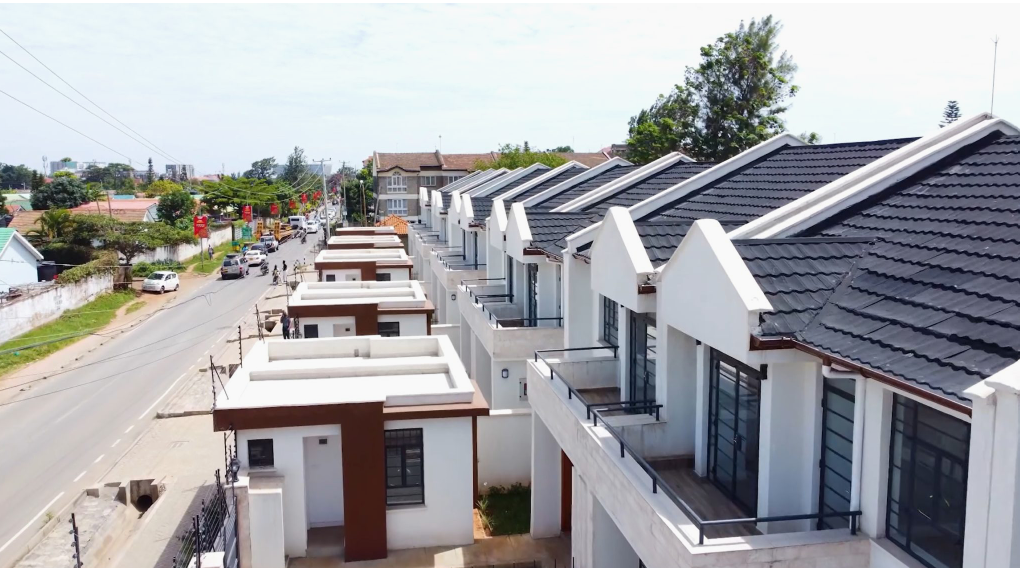
Prices of standalone houses also recorded a quarterly increase of 0.7%, rising from an index of 133.57 in the first quarter of 2026 to 134.47 in the second quarter.
In contrast, apartment prices remained largely stable over the review period. The apartment index stood at 91.93 in the second quarter of 2026, reflecting an annual increase of just 0.1%. However, apartment prices showed stronger short-term momentum, registering a quarter-on-quarter increase of 3.6%.
Prices of apartments in Nairobi
A breakdown of the data by region revealed mixed trends across the market. For apartments, prices increased in Nairobi’s upper-income and other Nairobi residential zones, with the respective indices rising to 96.9 and 119.4 from 92.5 and 109.0 a year earlier.
However, apartment prices softened in Nairobi’s middle-income areas and in regions outside the capital. The indices in those segments declined from 87.4 and 121.4 in the second quarter of 2025 to 86.4 and 111.6, respectively, in the second quarter of 2026.
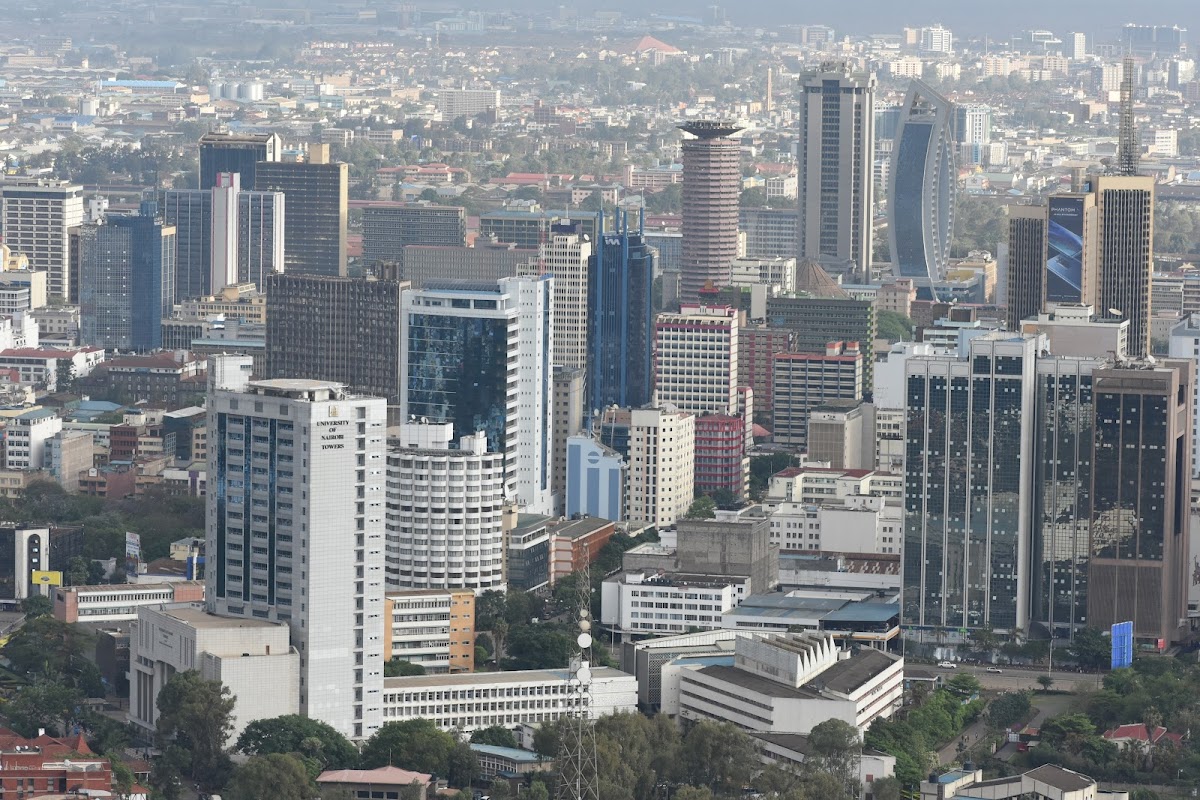
The market for standalone houses painted a similar picture, with strong performance recorded in Nairobi’s upper-income and other Nairobi neighbourhoods. The indices for those segments increased from 130.2 and 145.2 to 136.0 and 164.9, respectively.
Meanwhile, Nairobi’s middle-income areas and other regions recorded easing prices for standalone houses during the period under review.
The RPPI uses residential property asking-price data collected from quarterly surveys of real estate agents, developers and property advertisements. The methodology groups residential properties into eight distinct strata based on dwelling type and geographical location to provide a more accurate measure of market price movements.
The latest data suggests Kenya’s residential property market continues to grow at a moderate pace, with demand for standalone homes outpacing that of apartments despite mixed performance across different market segments.

 Get factual and reliable news as fast as they happen