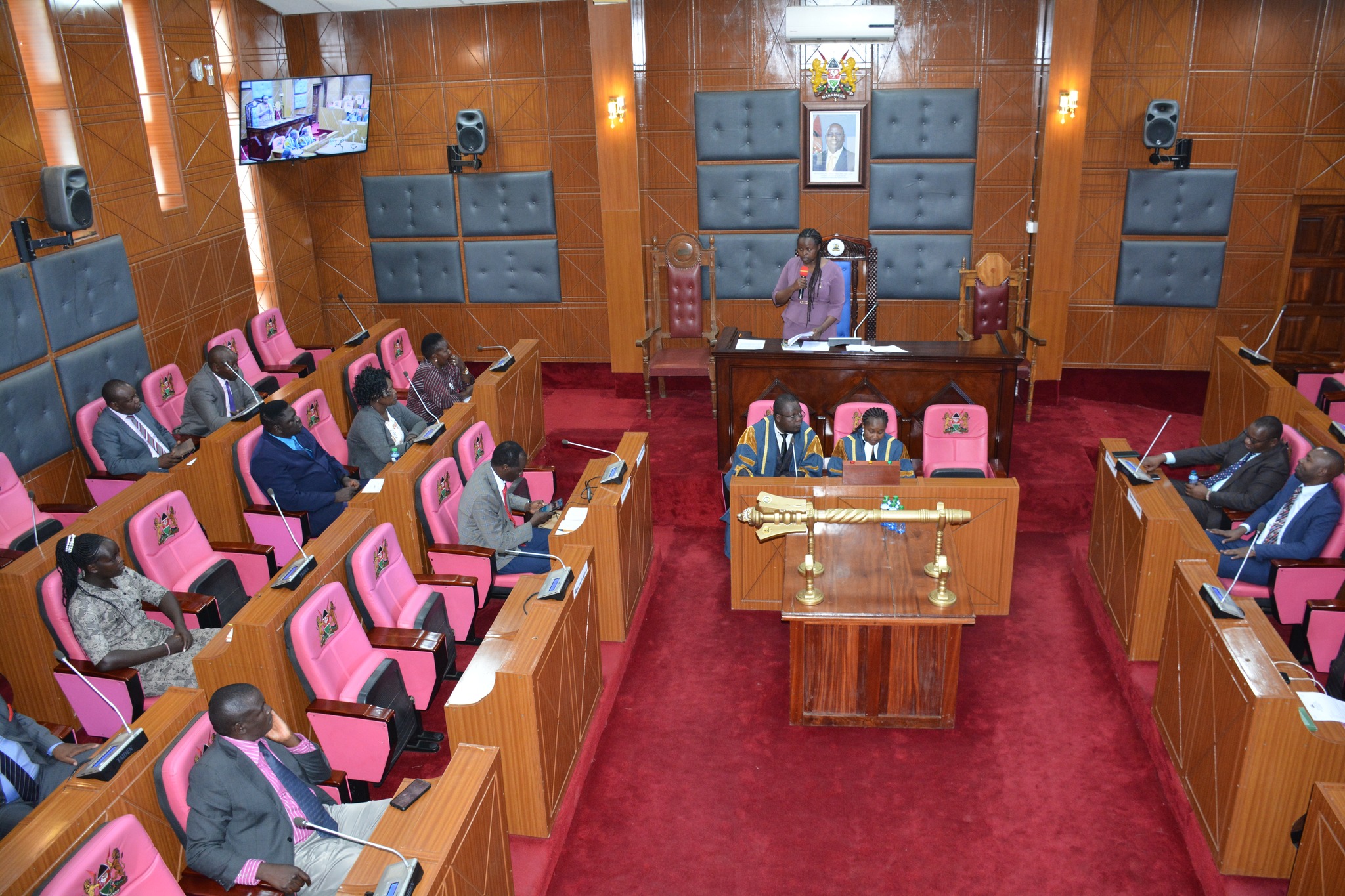


Residents of Khalabana, Matisi, and Shanty Settlement schemes on Tuesday elected their representatives for the Settlement Executive Committees (SECs) and Grievance Redress Committees (GRCs).
These committees will play a crucial role in overseeing the implementation of upcoming projects under the Kenya Informal Settlement Program (KISIP), a collaborative initiative between the World Bank and the county government of Trans Nzoia.
The Khalabana scheme, sprawling across seven acres, will see more than 144 individuals benefit from the issuance of title deeds under the auspices of KISIP.
This initiatives, spanning 33 counties across the nation, aims to enhance the lives of residents in 200 informal settlement schemes.

Edith Barasa, the County KISIP Coordinator, outlined the primary responsibilities of the SEC, which include ensuring that residents of the scheme are kept informed about project updates and mobilizing them when necessary.
Infrastructure Improvement
Concurrently, the GRC will be tasked with addressing grievances arising from project implementation, with more complex issues being referred to a corresponding county-level committee.
In the Matisi and Shanty settlement schemes, residents can anticipate improvements such as upgraded road networks, a robust drainage system, and enhanced street lighting.
In accordance with the World Bank’s affirmative action principles, these committees will comprise representatives from diverse segments of society, including youth, People Living with Disabilities, widows, Faith-Based Organizations, Community-Based Organizations, Non-Governmental Organizations, and minority groups.
During the event, Patrick Osoro, Chief Officer for Lands and Urban Planning, urged residents to actively support and champion projects initiated by the county government and other development partners.
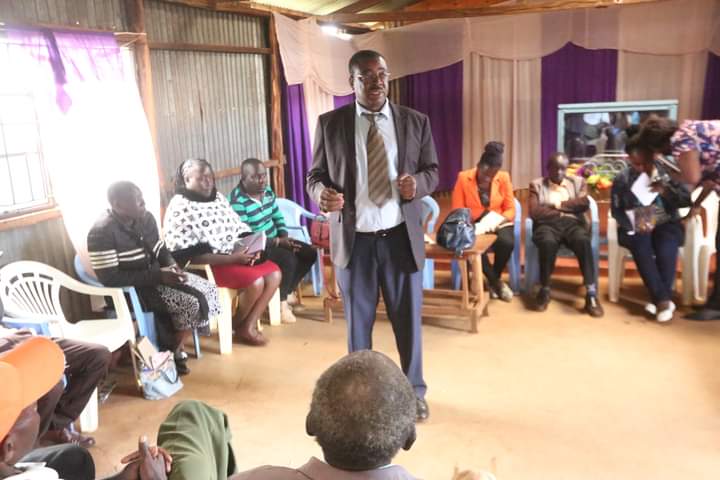
He also emphasized Governor George Natembeya’s commitment to fulfilling campaign promises and ensuring the successful execution of all planned projects.
Irine Nang’ole, Chairperson of the Kitale Municipal Board, issued a challenge to area residents, urging them to safeguard the initiated projects within their community.
She also emphasized the importance of preserving the substantial public funds invested in these infrastructures and preventing vandalism.
Residents expressed their gratitude to the county administration for launching projects that promise to usher in growth and development.
Further, they highlighted how poor infrastructure had previously deterred potential investors from their area.