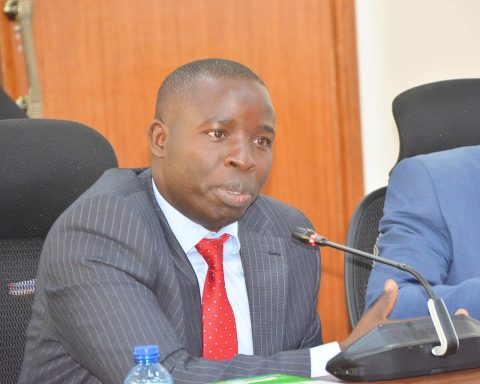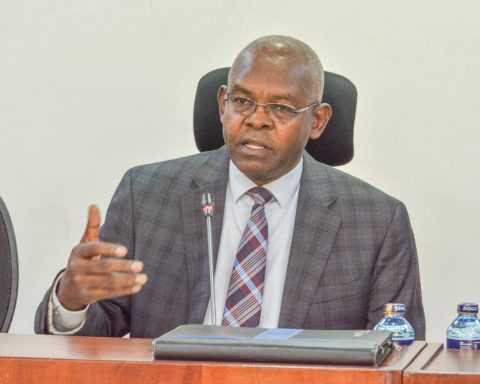

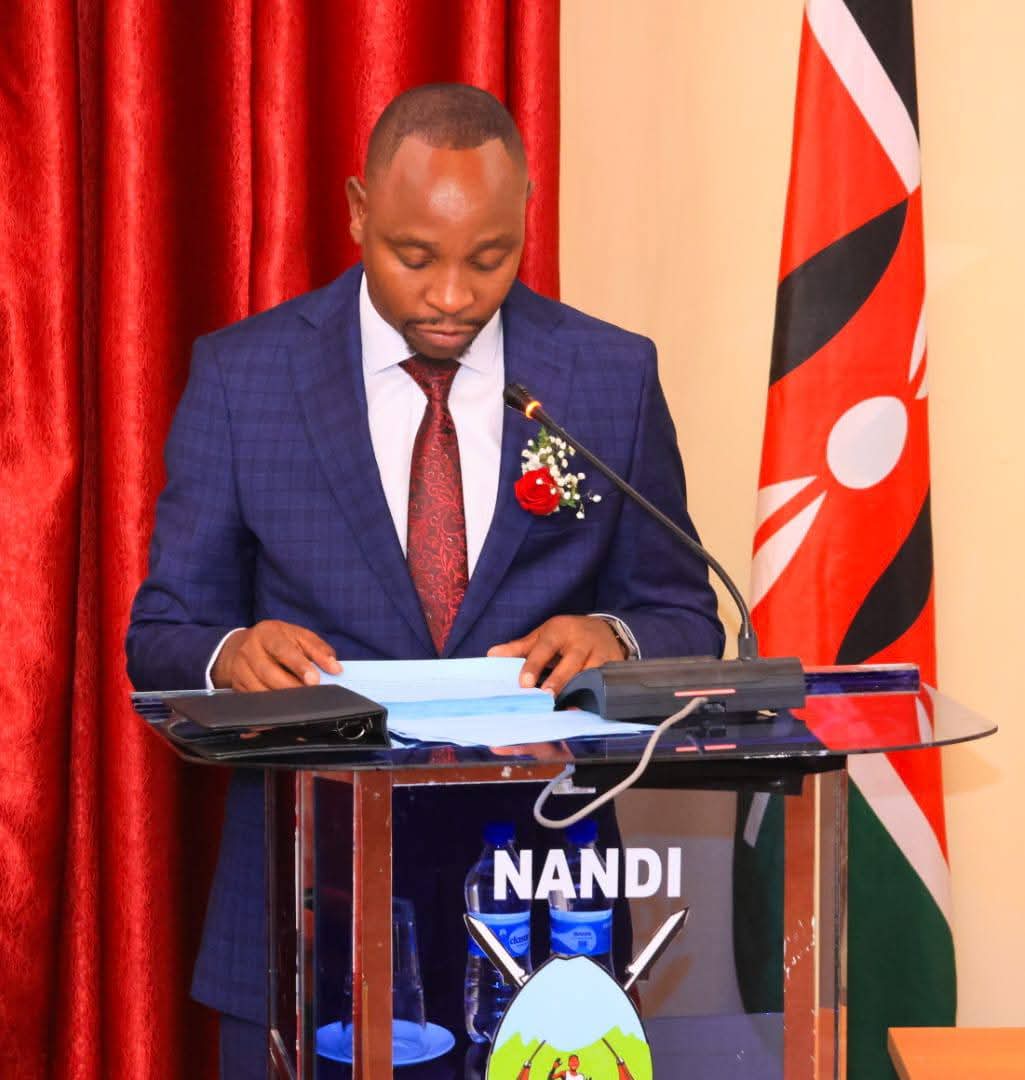
County Executive Committee Member for Finance and Economic Planning, CPA Alfred Lagat, on June 17, 2026, presented the Nandi County Government’s development budget of Ksh 3.89 billion for the 2026/2027 fiscal year.
The CECM also outlined significant investments in health infrastructure, education, road construction, and water projects.
Which sector was allocated lions share in Nandi county budget?
The Health and Sanitation sector received substantial allocations, including Ksh 43 million for equipping the Mother and Child Health unit at Kapsabet County Referral Hospital, with an additional Ksh 352 million expected under the Kenya Devolution Support Programme Phase II.
“Every ward will receive a direct health investment in FY 2026/2027,” said Lagat, highlighting Ksh 110.26 million for ward-based health projects across all 30 wards, including new dispensaries, maternity wings, and staff quarters.
Other key health allocations include:
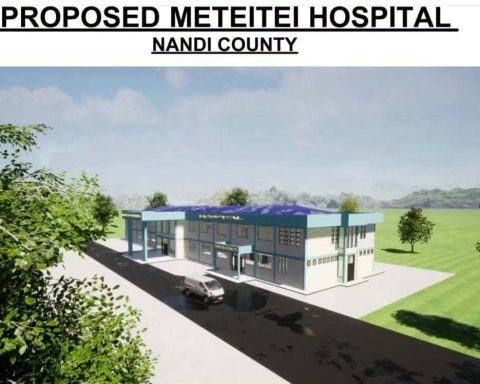
- Ksh 100 million for completion and equipping of five hospitals: Chepterwai, Kobujoi, Kapseng’ere, Taito, and Mogobich
- Ksh 150 million for medical drugs, laboratory reagents, and renal unit supplies
- Ksh 96.6 million for Community Health Promoters’ stipends
- Ksh 14 million for completion of Chepterwai Sub-County Hospital
Health facilities are projected to generate Ksh 916 million in Facility Improvement Fund Appropriation-in-Aid collections.
Education and Vocational Training gets major boost
In the Education sector, Lagat announced Ksh 120 million for the County Bursary Scheme to support needy students in secondary and tertiary institutions.
“This initiative goes beyond the classroom. It also benefits our local dairy farmers through the Nandi Cooperative Creameries processing plant,” said CPA Lagat, referring to the Kshs 90 million ECDE School Milk Feeding Programme.
Additional education allocations:
- Ksh 134 million for recruitment and payment of ECDE teachers
- Ksh 92 million for the Nandi County Uniform Programme for ECDE learners
- Ksh 255.6 million for ward-level education projects including ECDE and VTC infrastructure
- Ksh 25 million as County VTC Capitation Grant
Budget allocation for Nandi road infrastructure
The Transport, Public Works and Infrastructure Development sector received Ksh 458.27 million for ward-based road projects, the single largest ward-level allocation in the budget.
“This includes specific named roads in every ward, identified directly by our citizens through public participation,” Lagat emphasized.
Key road allocations:
- Ksh 75 million for hire and lease of road construction equipment
- Ksh 26 million for acquisition of cabro-making machines at sub-counties
- Ksh 20 million for fuel for road construction machinery
- Ksh 10 million for emergency bridge and culvert construction
Agriculture and Cooperatives Focus on value addition
The Agriculture sector will benefit from Ksh 105 million under the World Bank-funded National Agricultural Value Chain Development Project and Ksh 81.24 million under the IFAD-funded Integrated Natural Resources Management Programme.
“On coffee, our fastest-growing value chain, I have proposed an allocation of Kshs 30 million for purchase and distribution of coffee seedlings,” said Lagat, noting that nearly ten million seedlings are already within reach of farmers.
Other agricultural allocations:
- Ksh 25 million for coffee pulping machines
- Ksh 15 million for livestock vaccines
- Ksh 10 million for subsidized Artificial Insemination services
- Ksh 12 million for avocado seedlings distribution
- Ksh 53.10 million for ward-based agricultural projects
Water projects and climate action prioritized
The Lands, Environment, Natural Resources and Climate Change sector received Kshs 217.88 million for ward-based water projects across all 30 wards.
“We are making major allocations reflecting the central role that water and environmental sustainability play in the daily lives of our people,” stated Lagat.
Key allocations include:
- Ksh 24 million as counterpart funding for the Kenya Financing Locally Led Climate Action Programme
- Ksh 20 million for the Kenya Water, Sanitation and Hygiene Programme
- Ksh 10 million for solarization of the Nandi Hills water project
- Ksh 10 million for digitization of the land system
Nandi County 2026 budget for trade, industry and tourism
The Trade, Tourism, Industrialization and Enterprise Development sector received significant allocations:
- Ksh 100 million for the County Aggregation and Industrial Park at Chemase
- Ksh 30 million for operationalization of the Nandi Textile and Apparel Unit in Mosoriot
- Ksh 8 million for the Kapsabet Animal Rescue Centre
- Ksh 4 million for development of Nandi Rock and Chepkiit Waterfall as tourism destinations
Sports and Youth Affairs
Acknowledging Nandi as “a county of champions,” Lagat allocated:
- Ksh 12 million for acquisition of a 52-seater bus for athletes and youth groups
- Ksh 5 million for equipping the gymnasium at Eliud Kipchoge Sports Complex
- Ksh 5 million for stadia maintenance
- Ksh 25 million for ward-based sports development projects
Nandi County revenue strategy and fiscal reforms
The county targets locally generated revenue of Ksh2.051 billion, supported by the full implementation of the newly approved Nandi County valuation roll projected to generate Kshs 789.07 million.
“We have been transparent about where growth is projected, where risks lie, and where fiscal discipline is required,” CPA Lagat stated.
Other revenue measures include:
- Ksh 10 million for upgrade of the County Revenue Management System
- Ksh 7 million for acquisition of an Asset Management System
- Expansion of digital and electronic payment channels
- Ksh 956.89 million targeted from Health Appropriation-in-Aid collections
“This is a budget that builds schools, roads, hospitals, water systems, and industries. No ward is left behind,” concluded Lagat, calling upon the County Assembly to deliberate constructively and support the budget’s approval.
The CEC acknowledged the contributions of development partners including the World Bank and IFAD, and expressed gratitude to the Governor, Deputy Governor, county staff, and residents for their participation in shaping the budget through public forums.
The Budget Estimates for FY 2026/2027 and Revenue Raising measures are now before the County Assembly for thorough interrogation, debate, and approval.
The budget is anchored on four revenue pillars: equitable share allocations, transformed local revenue base, national government allocations, and development partner grants. With the development budget as a proportion of total resources, this marks the most ambitious budget in the county’s history.