
Trans Nzoia County has launched a multi-pronged initiative aimed at tackling a sharp surge in early pregnancies among school-going girls.
The move follows a rising concern over school dropouts and declining academic performance in the county.
Reports show that the county registered a 17 per cent increase in cases of school girls falling pregnant.
Causes of high rate of pregnancies among school girls in Trans Nzoia
According to the County Department of Education and Vocational Training, poverty, lack of access to menstrual hygiene products, and repeated school expulsions due to unpaid fees are some of the key drivers of the crisis.
In response, the county is rolling out targeted interventions including financial support, mentorship programs, and the distribution of free sanitary pads.
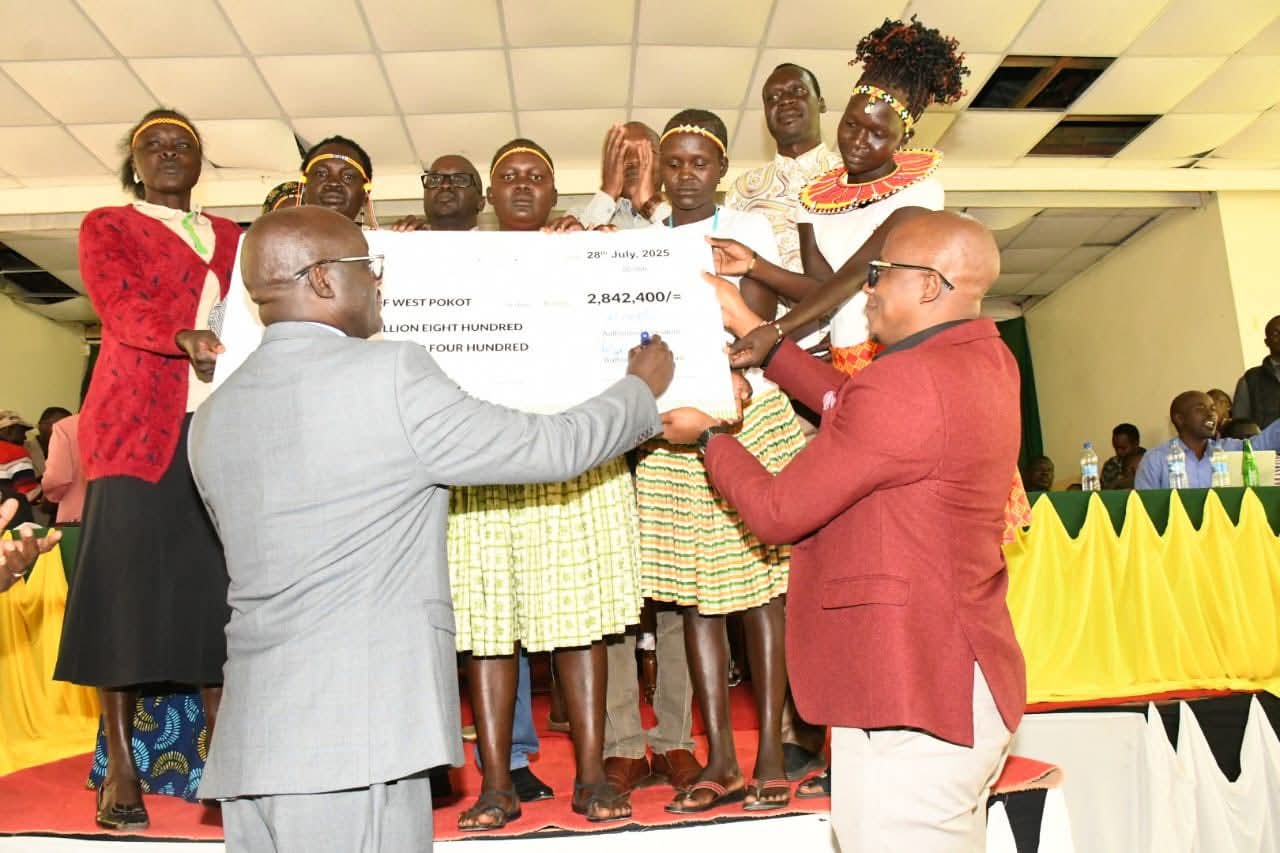
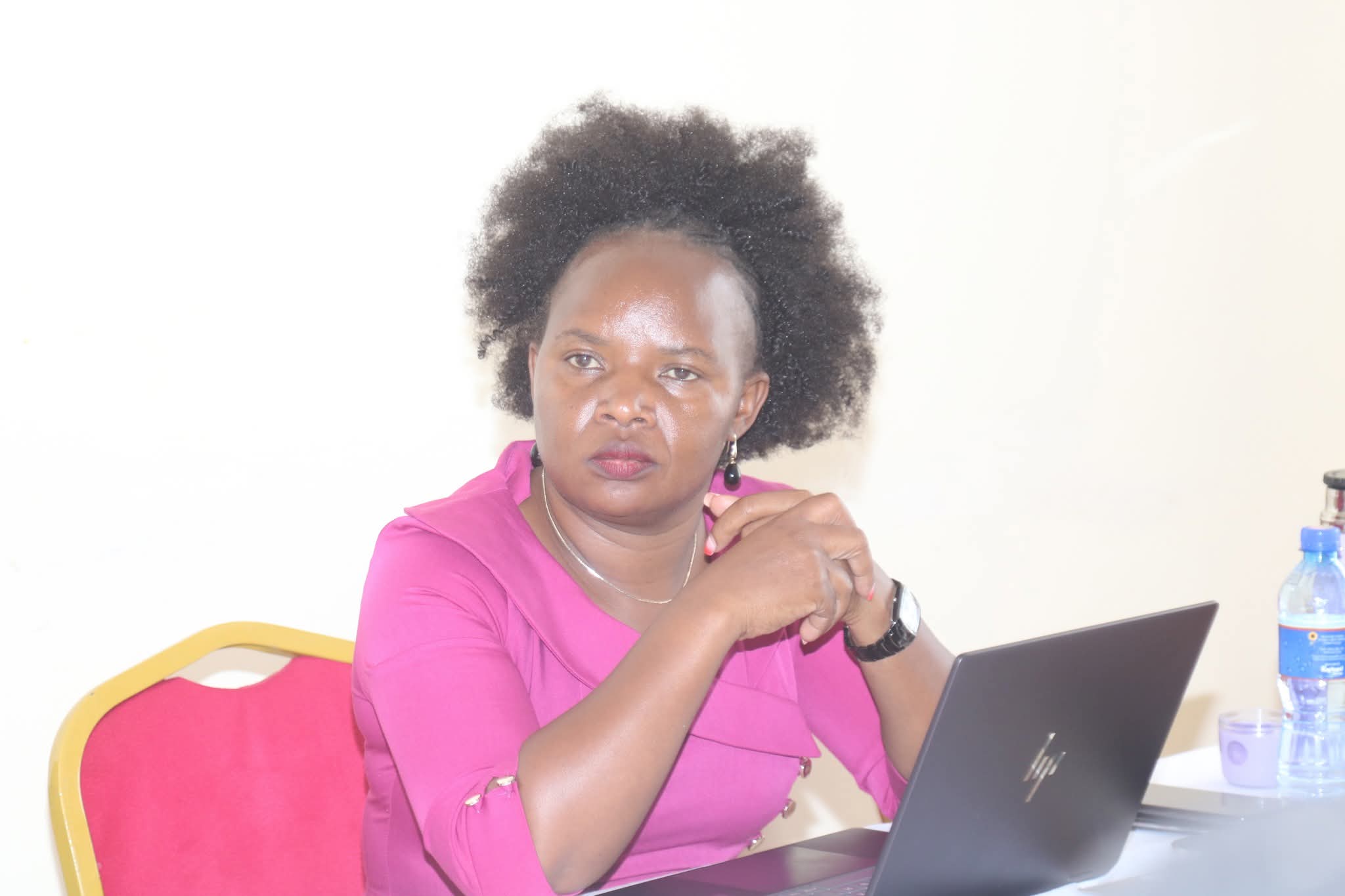
“We are seeing a direct link between poverty and early pregnancies,” said County Executive Committee (CEC) Member for Education Janerose Nasimiyu Mutama at Muungano Secondary School, where over 210 students recently received bursaries.
“When head teachers send students home repeatedly, especially in impoverished areas, many girls resort to transactional relationships to survive,” she added.
The crisis has had a visible impact on academic outcomes.
CECM Mutama attributed the school’s poor performance last year to a high dropout rate among girls who became pregnant, as well as boys who were unable to afford fees.
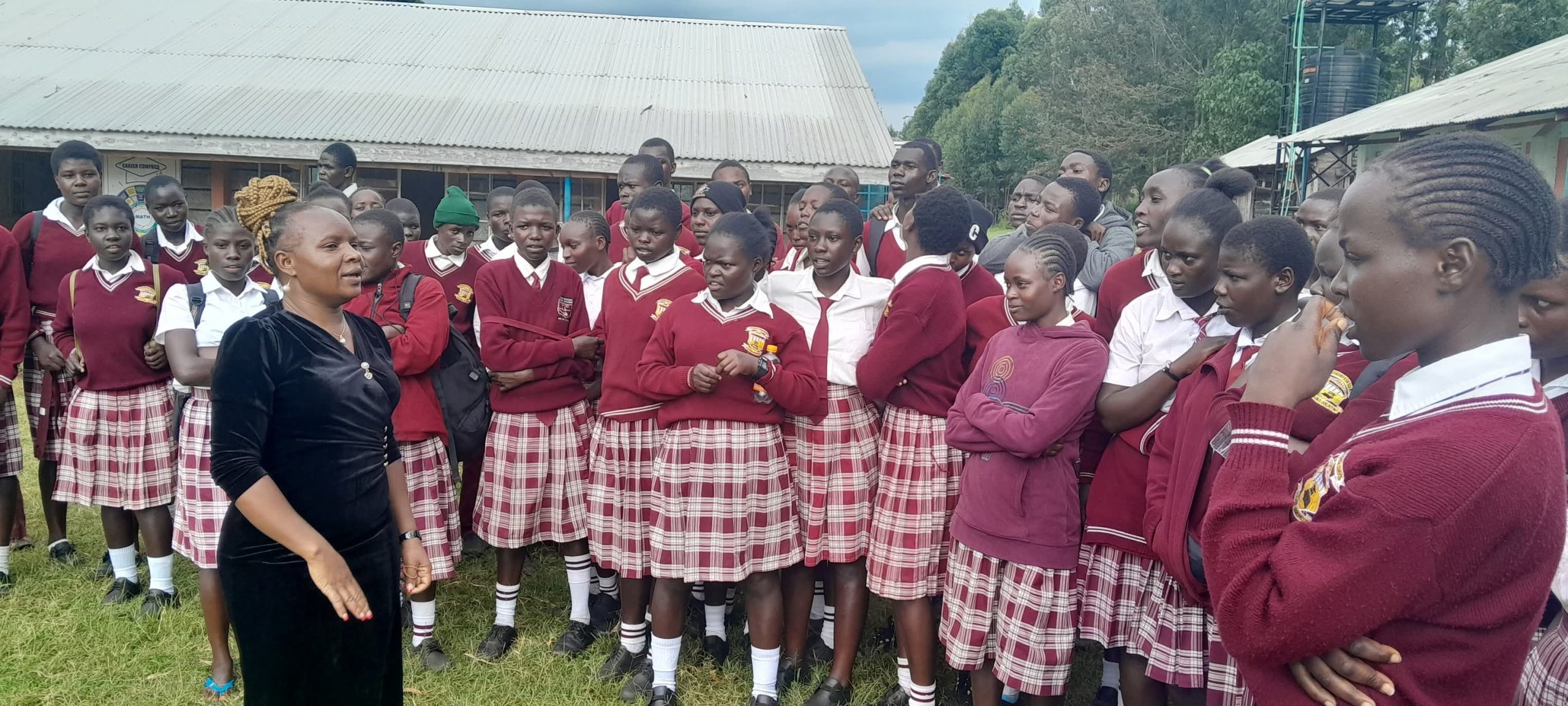
Under Governor George Natembeya’s Ukombozi Elimu bursary program, thousands of vulnerable students are receiving financial aid to remain in school through Form Four.
The county is also partnering with local groups, including the Trans Nzoia Women Caucus, to develop community-based solutions.
How girls are exploited for lack of sanitary pads
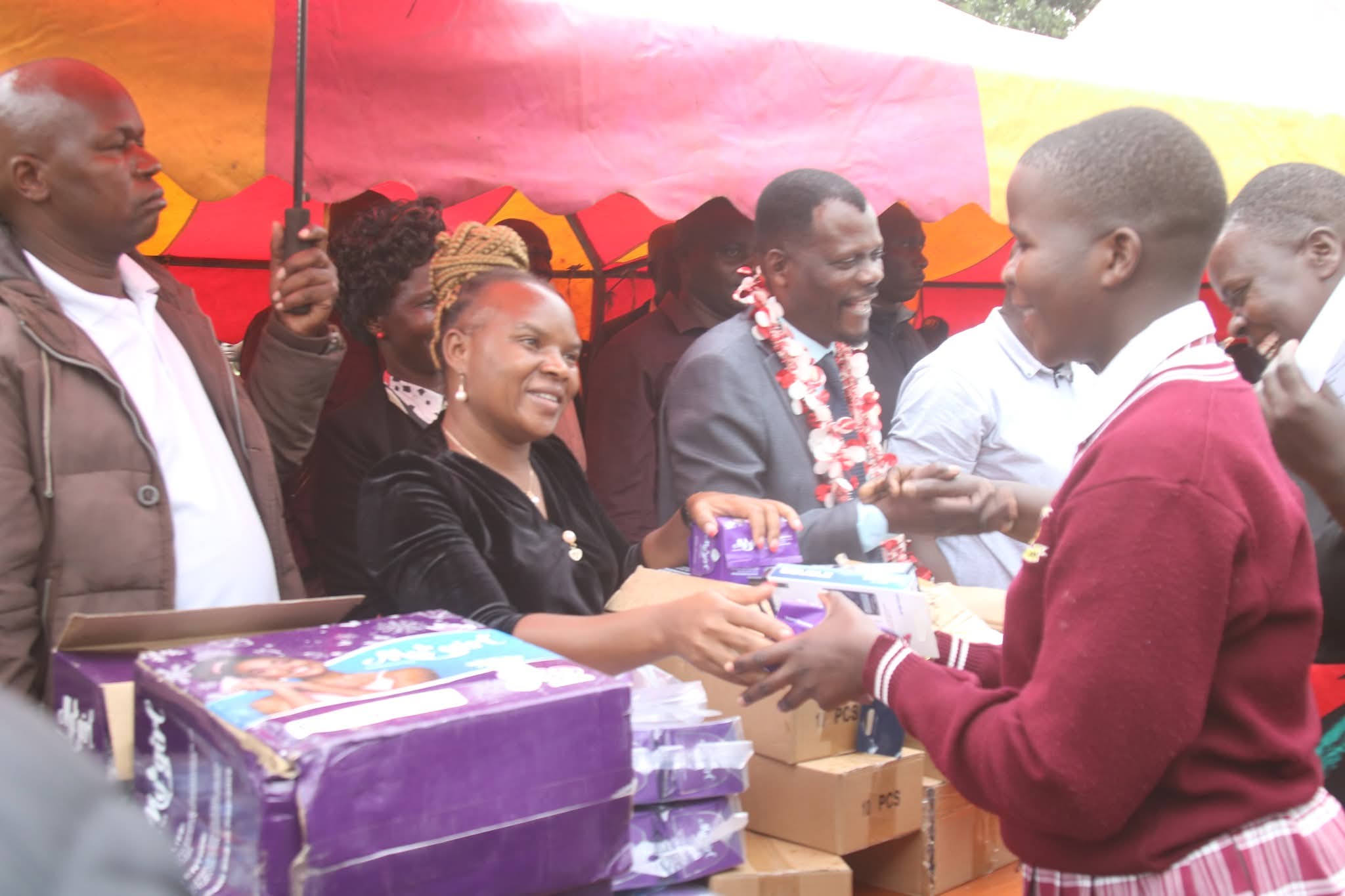
A lack of menstrual hygiene products has also been identified as a contributing factor. “Some girls rely on boyfriends for pads, which often leads to exploitative relationships,” said Ms. Mutama.
To address this, the department has pledged to supply free sanitary pads to girls and boxers to boys to promote dignity and gender equity in schools.
A county-wide mentorship program is set to be launched in collaboration with school alumni, aimed at inspiring students to focus on their studies despite personal or socioeconomic challenges.