
Trans Nzoia County Government has moved a step closer to finalising its vocational training policy.
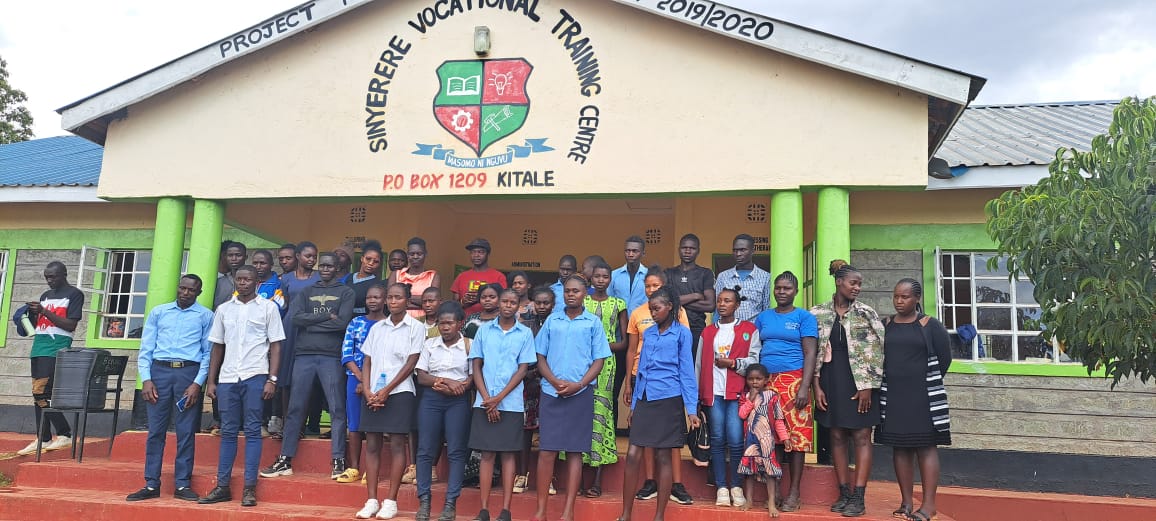
This follows a consultative meeting held on Monday, September 15, 2025, between the Department of Education and Vocational Training and managers from the county’s 32 vocational centres.
The meeting, chaired by County Executive Committee Member (CEC) for Education, Ms Janerose Nasimiyu Mutama, focused on refining the draft policy and addressing key challenges facing vocational institutions.
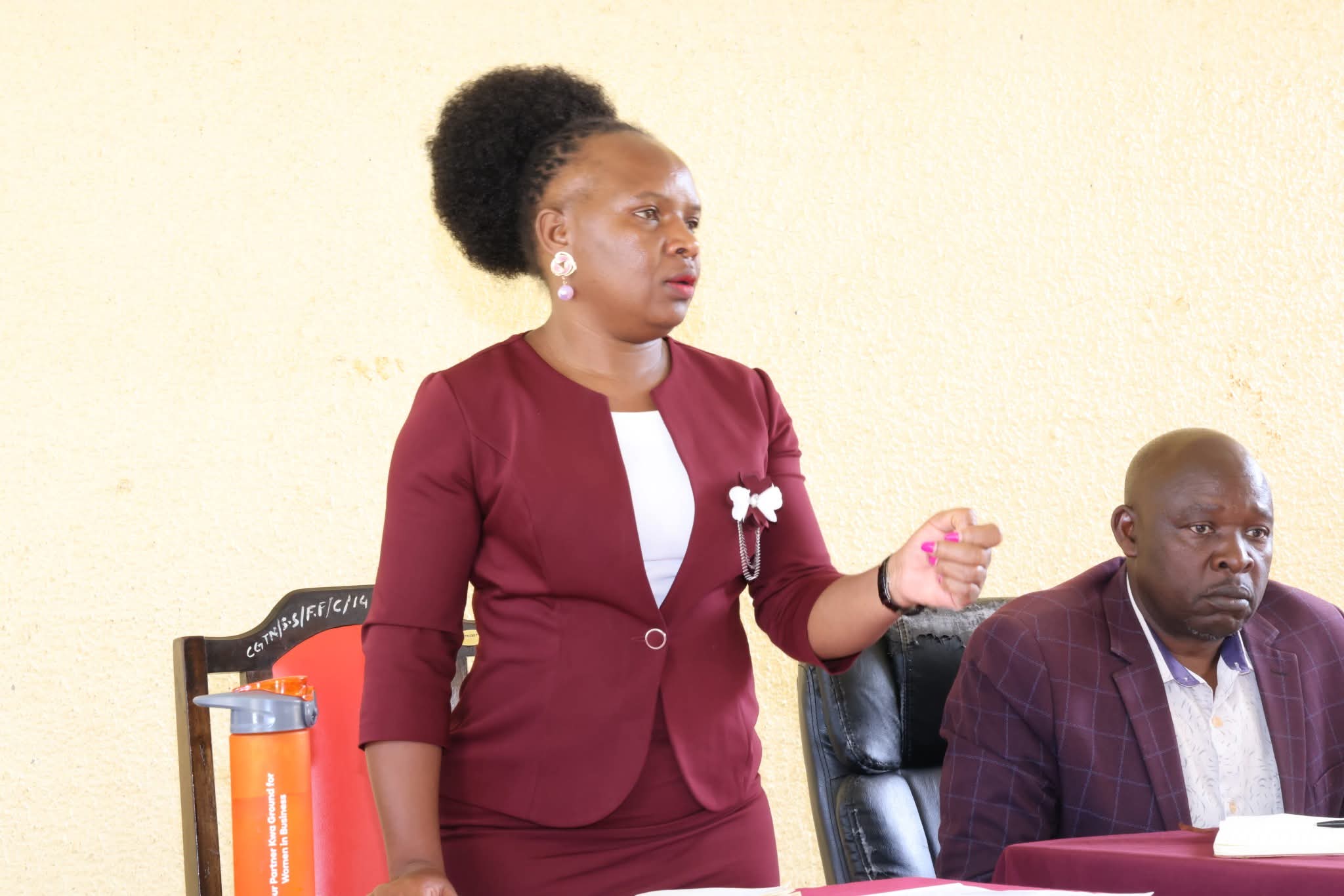
Speaking during the session, Ms Mutama said the policy is at its final stages and the input of centre managers is critical to ensure it reflects the realities on the ground.
“These are the people who know where the shoe pinches most. Their proposals are vital in shaping guidelines that will work for our learners and institutions,” she said.
The CEC highlighted that the department had recently rolled out bursary disbursement for secondary schools and would soon extend the same to vocational training centres.
How much of Trans Nzoia Elimu Bursary has been allocated to VTCs?
Ms Mutama said the centres are also expected to benefit from Ksh 15 Million which equivalent to 30 percent of the Trans Nzoia County Elimu Bursary Fund once the rollout begins.
“The funds will be distributed based on student enrolment. If your centre has fewer students, you will receive less. I challenge the managers to ensure high enrolment in vocational training in order to secure the funding,” she said.
She also confirmed that the county has allocated KSh 45 million in capitation funds to support learning in vocational institutions.
Ms Mutama called for a uniform fee structure across all vocational centres to streamline payments and reduce confusion among parents.
She acknowledged that the lack of a lunch programme has contributed to high dropout rates and promised that the department would explore sustainable solutions.
The CEC further announced the rollout of the Recognition of Prior Learning (RPL) programme by the national government, with Trans Nzoia County selected as the coordinating county for the Western region.
How can VTCs be self-reliant?
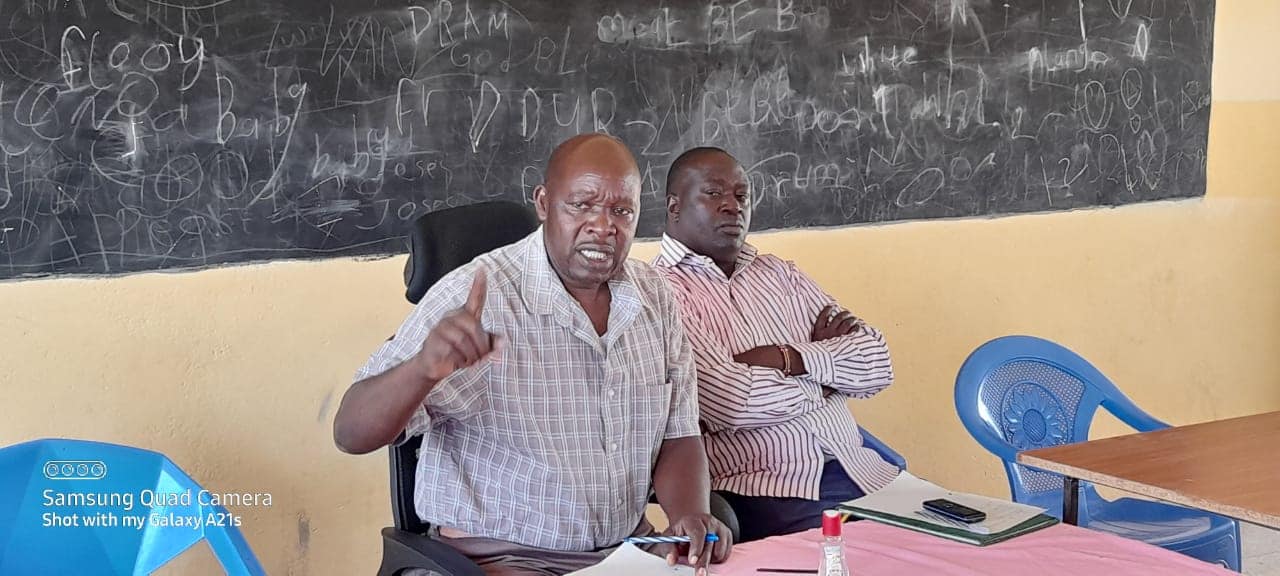
On his part, County Director for Vocational Training Mr Eliud Lusweti urged managers to develop income-generating activities within their centres to reduce reliance on county funding.
“Production is the way to go. Centres should start making items or offering services that can generate revenue to support their operations,” said Mr Lusweti.
He also called on managers to submit updated lists of enrolled students to ensure that bursary support reaches genuine beneficiaries.
Mr Lusweti revealed that the department would soon receive a container of tools from the tools to work organisation which will be distributed to vocational centres to benefit the learners.
Regarding volunteers, managers were asked to forward names of individuals actively supporting students in the institutions.
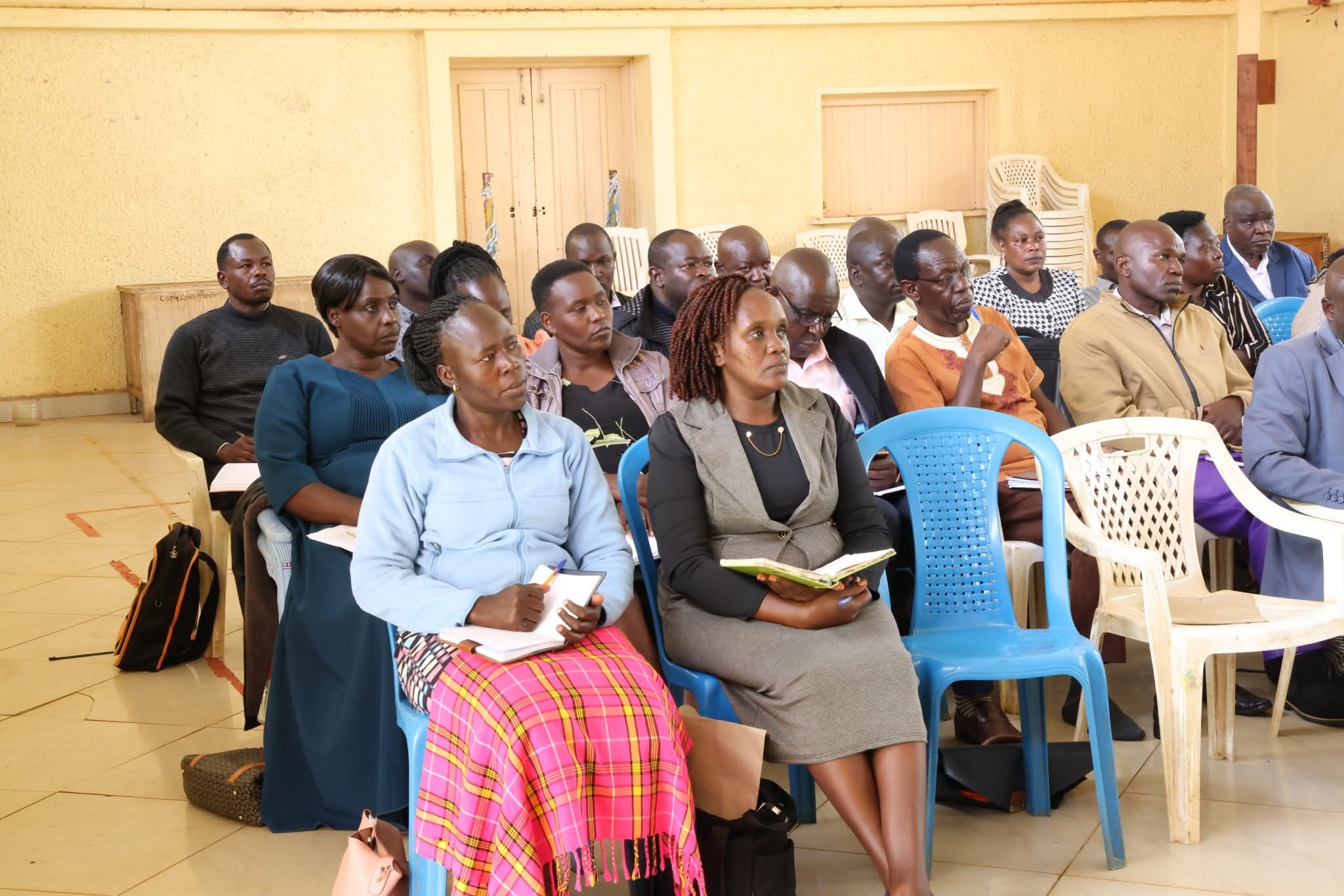
The meeting also saw managers raise concerns over poor infrastructure, inadequate tools, and staffing shortages, which they said were affecting student retention and enrolment.
Ms Mutama and Mr Lusweti assured the managers that the county government is committement in addressing these challenges and strengthening vocational training as a pathway to youth empowerment and economic growth.