
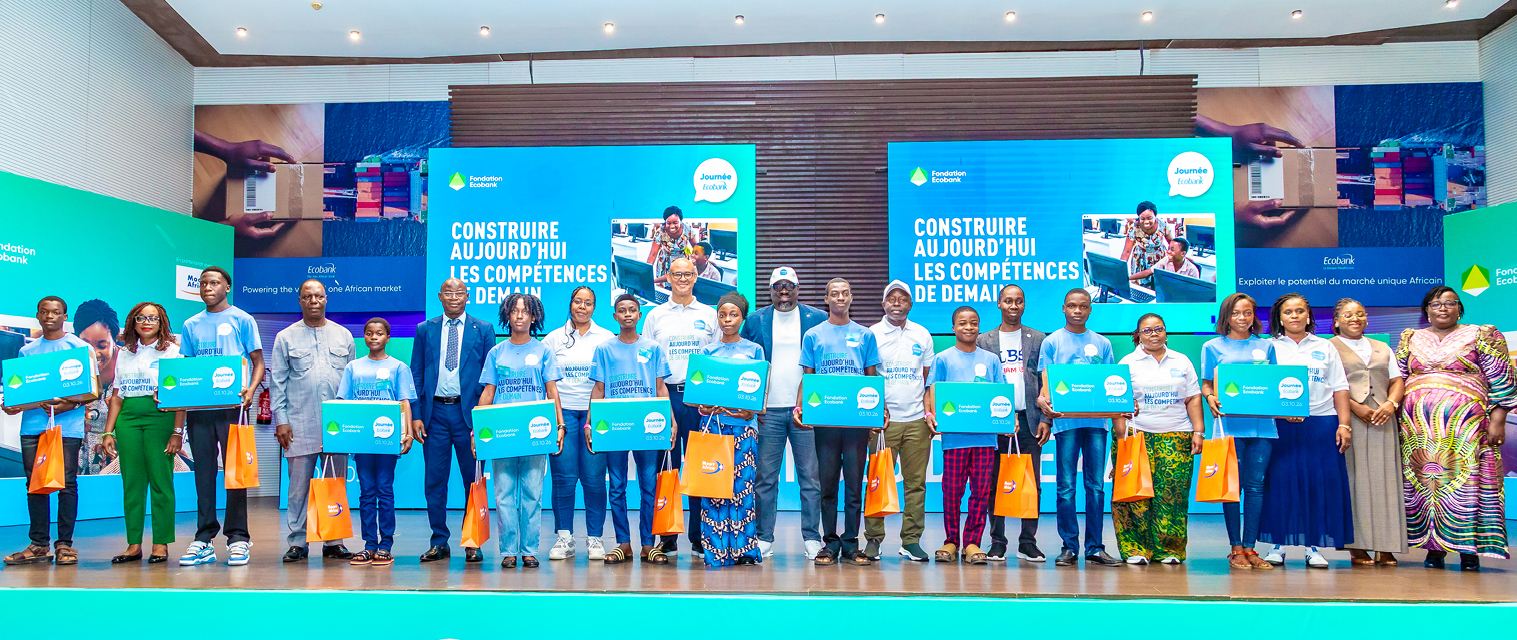
Ecobank Group has reinforced its commitment to empowering Africa’s youth through a multi-year digital education programme that has equipped thousands of young learners with technology skills needed in an increasingly digital world.
The pan-African banking group marked the culmination of its three-year Transforming Africa Through Education initiative during the 14th edition of Ecobank Day, an annual social impact programme that mobilises employees across 32 countries to support local communities.
The initiative focused on expanding access to digital learning by establishing information technology laboratories and providing training in coding, robotics and artificial intelligence (AI) for young people across Sub-Saharan Africa.
By the end of 2025, the programme had established 66 IT labs, surpassing its initial target of 40, while reaching more than 46,000 children and young adults with digital skills training, according to the bank.
The effort reflects growing recognition of the importance of digital literacy as African economies increasingly embrace technology-driven solutions across education, business and public services.
How Ecobank is equipping young Africans for the future
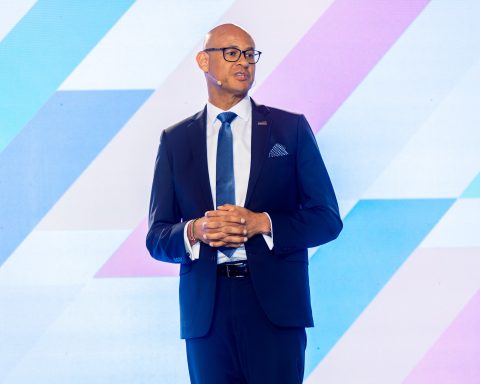
Speaking during Ecobank Day celebrations, Jeremy Awori, Chief Executive Officer of Ecobank Group, said preparing young people for the future requires investment in practical digital skills.
“Over four decades, we have witnessed firsthand the vast potential of Africa and the determination of its young people to build a better future. Seeing young students gain practical capabilities in coding, AI and robotics gives me immense joy. This is where the future is headed,” he said.
Awori noted that digital education is becoming increasingly important as the continent seeks to create opportunities for the next generation of innovators, entrepreneurs and business leaders.
Programme Expanded Over Time
The initiative evolved over several phases, beginning in 2023 with the establishment of computer laboratories and the provision of ICT equipment to schools and underserved communities.
In 2024, the programme shifted its focus to advanced digital skills, introducing coding, robotics and artificial intelligence training to learners in several countries.
A year later, attention turned to inclusivity, with efforts aimed at improving access to digital education for learners with disabilities through assistive technologies and adapted learning environments.
The programme continued expanding in 2026 through technology donations and additional digital skills training. In Togo, for example, top-performing students received computers alongside practical training designed to strengthen their digital competencies.
Bridging Africa’s Digital Divide
While activities varied across countries, the programme shared a common goal of helping bridge the digital divide and ensuring more young Africans can participate in the digital economy.
The investments included computer equipment, learning management systems, internet connectivity, robotics programmes and assistive technologies intended to enhance access to digital learning opportunities.
As digital transformation accelerates across Africa, initiatives that improve access to technology and future-ready skills are increasingly viewed as critical in preparing young people for emerging opportunities in education, employment and entrepreneurship.