

A section of Muslim leaders in Eldoret, Uasin Gishu County, has declared their opposition to the proposed Religious Organisations Bill, 2024.
The bill, sponsored by the government, is currently being subjected to public participation.
Several religious organisations have already rejected it, claiming it seeks to curtail freedom of worship.
Muslim leaders have now joined their Christian counterparts.
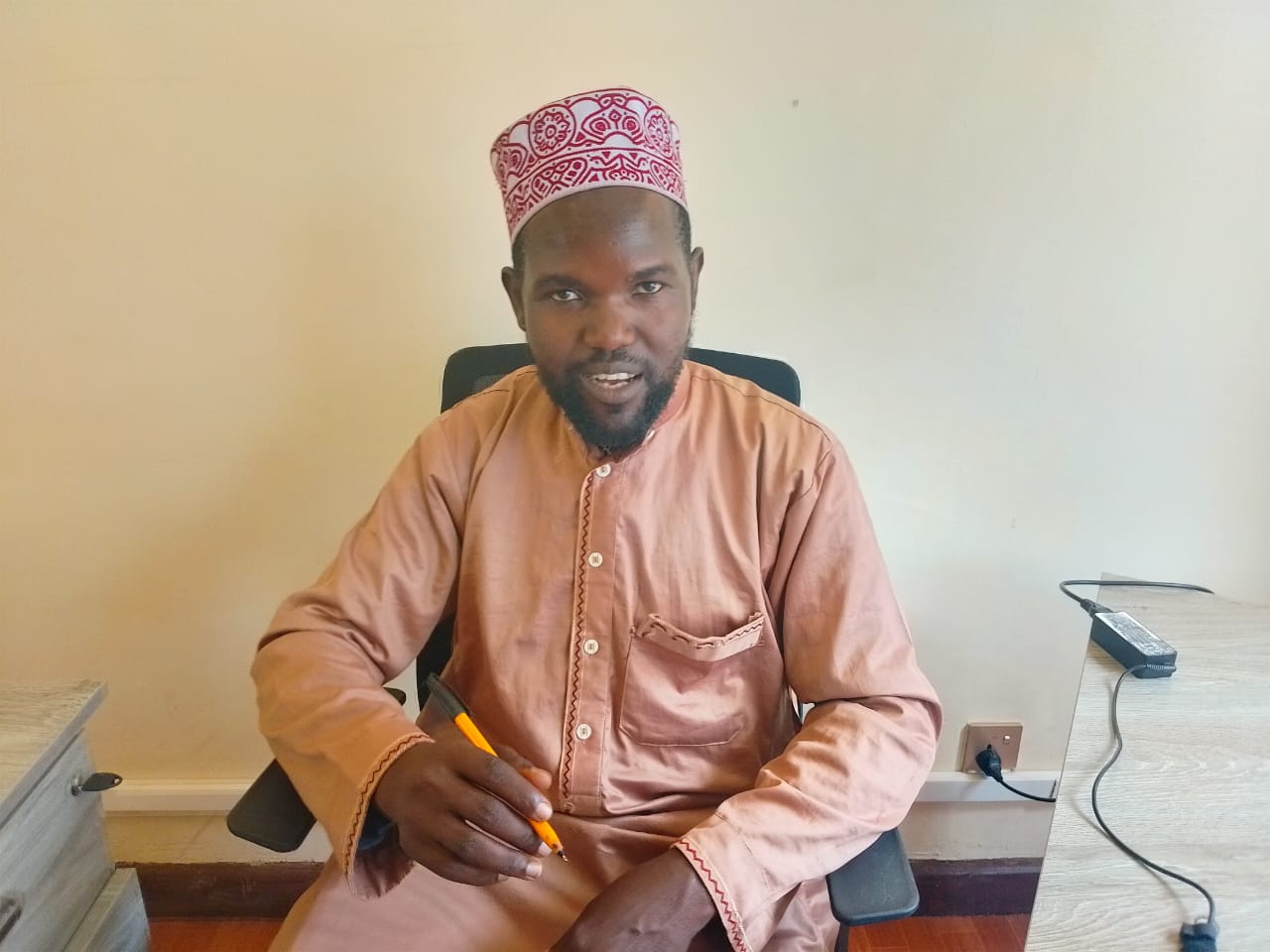
In a memorandum to the office of the Prime Cabinet Secretary, which is holding the public participation forums, Jamal Diriwo Omari, a Muslim leader in Eldoret, termed the proposed bill as incompatible with the Kenyan Constitution.
“The bill before parliament imposes sweeping restrictions on all religions, even though there are existing laws already on criminal behaviours, fraud and extremism,” Omari said in part of the memorandum seen by Uasin Gishu News.
He also noted that a proposal to set up the Office of the Registrar of Religions with powers to vet imams, Islamic scholars and madrasa maalims, “totally undermines the independence of Islamic leadership and contradicts longstanding religious practices which were revealed directly from the Almighty God through Angel Gabriel.”
Why Muslim leaders are against the Religious Organisations Bill
The Muslim leaders also listed potential intrusion into madrasa education as their reason for the rejection of the bill.
They argue that the bill empowers government agencies to inspect, monitor and approve religious curricula, including madrasa education, which Quran, Hadith, Islamic jurisprudence and moral training.
“The state intrusion into curriculum and Islamic teachings violates the rights of parents and communities to educate children according to their preferred faith,” Omari noted in his memorandum.
They also expressed concerns over a clause proposing mandatory audit of religious organisations’ finances, including waqfu, zakat and other Mosque finances.
The bill requires that religious organisations audit their finances at least once a year, with the government allowed access to the audit reports.
Aside from the bill, the government’s proposals, developed by a presidential task force after the Shakahola cult tragedy, also include a Draft Religious Organisations Policy.

The two aim to provide a “legislative framework” for registration, oversight and accountability of faith groups, including a proposed Registrar or Religious Affairs Commission, registration requirements and sanctions for non-compliance.
The draft bill and policy were produced after the Taskforce presented recommendations to the Executive, and the documents have been circulated for public consultation.