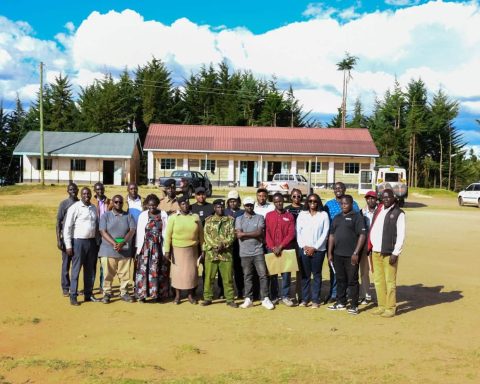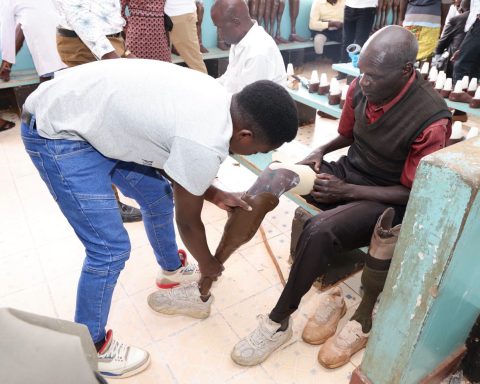


A total of 180 youths who recently completed training at Machungwa, Matisi and Kitale Vocational Training Centres under the Child Rescue Kenya (CRK) programme have received assorted startup kits to help them launch their own businesses.
Speaking during the handing over of the tools and equipments, Trans Nzoia County Chief Officer for Education and Vocational Training, Kennedy Etiang, praised the partnership between the county government and Child Rescue Kenya, saying the initiative is transforming the lives of vulnerable young people.
“This programme targets the most vulnerable children so that they can be trained and given equipment to start their own businesses. Once they begin earning, we expect their lives to change for the better,” he said.

Etiang noted that the initiative is creating opportunities for youths who would otherwise struggle to find a path in life. He appealed to more well‑wishers to support vocational training centres across the county.
“Child Rescue Kenya is also helping students register for exams. Already, 20 trainees have had their exam fees paid. This is the kind of support that changes lives,” he added.
Role of technical training in Kenya
He emphasised that technical skills development remains a key strategy in reducing youth unemployment.
“When youths acquire skills and receive startup kits, they can be self‑employed immediately,” he said.
The Chief Officer reaffirmed the county government’s commitment to equipping all 32 vocational training centres across the 25 wards, ensuring they have adequate tools and qualified instructors.
Trans Nzoia County Director for Vocational Training, Eliud Lusweti, commended Child Rescue Kenya and its partner, Cooperaid, for their eight year collaboration with the county.
“This gesture is unique. Many organisations train youths but do not go the extra mile of giving them startup kits. What CRK is doing is special,” Lusweti said.
He noted that the partnership helps graduates enter the job market almost immediately.
“This is a plus for our trainees. Others stay home for long because they lack capital to buy tools, but these ones start working right away,” he said.
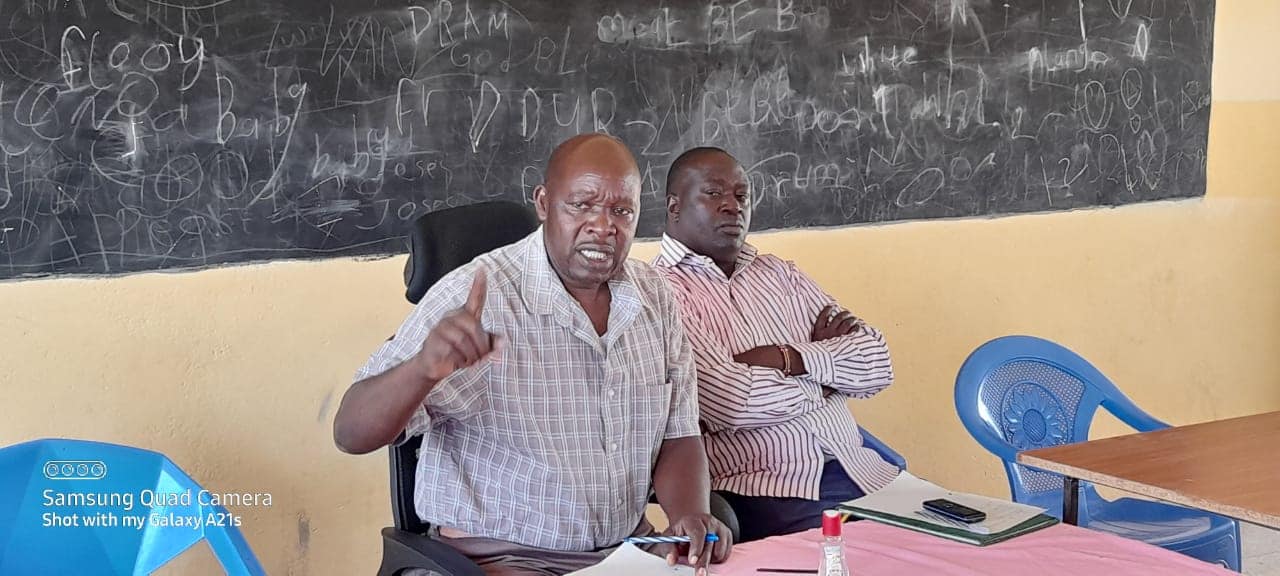
Lusweti added that the county is adopting a similar approach.
“During our first ever county graduation, over 2,500 students completed various trades, and many received startup kits. We want more youths to benefit so they can join the job market without delay.”
How many youths has Child Rescue Kenya trained?
Child Rescue Kenya Programmes Manager, Stephine Baraza, said the organisation has trained and equipped 945 youths since 2018.
“This year alone we have trained and given startup kits to 180 youths. Our monitoring shows that many of them have changed their lives for the better some are now trainers and others are supporting their families,” Baraza said.
He announced that next year the programme will expand to include Kaplamai and Kiminini Vocational Training Centres, with a special focus on teen mothers.
“We are targeting more than 250 vulnerable youths next year,” he said.
Several beneficiaries shared emotional testimonies of how the programme has been able to change their lives.
Matanya Elijah, a graduate from Matisi VTC, said he had been idle since completing his O‑level exams in 2017.
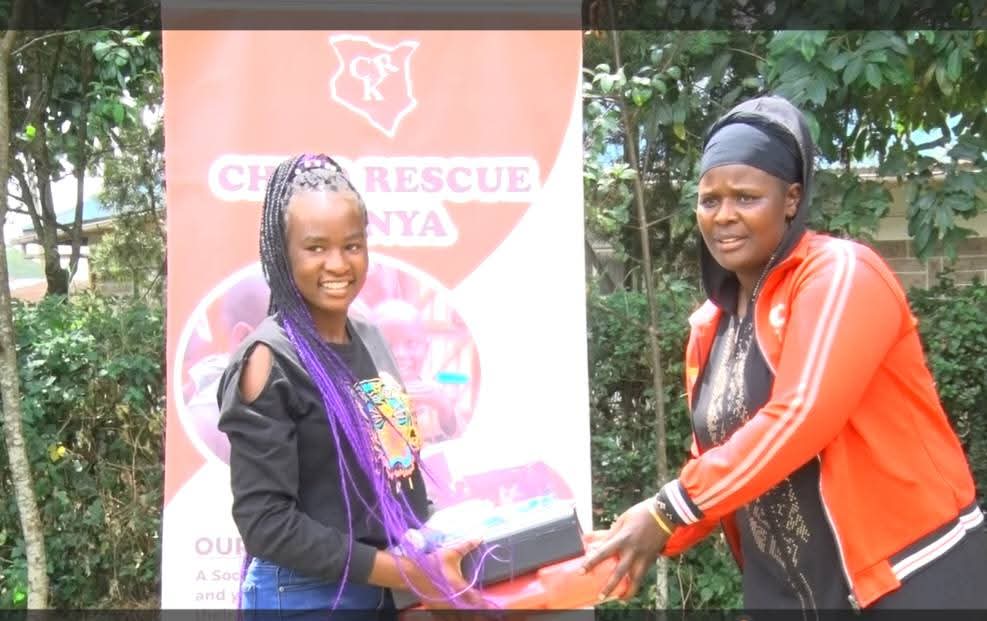
“I was just at home doing nothing until I was introduced to Child Rescue Kenya. Today I have a certificate and skills in electrical installation and repairs. I can now put food on the table,” he said, urging the government to give youth opportunities through tenders.
Ezekiel Wamalwa, a plumbing graduate from Machungwa VTC, said the tools he received will help him start work immediately.
“This is a big blessing. I am ready to begin my plumbing jobs right away,” he said.
Elizabeth Baraza, who studied fashion and design, said the programme revived her hope.
“As a young mother, life was very difficult. But now I can make dresses and earn a living. With the sewing machine I have received, I will start my business this festive season,” she said.
Her colleague, Scolastica Okoth Wawire, who trained in hairdressing, encouraged more youths to join vocational training centres. “When you have technical skills, you cannot sleep hungry. There are many opportunities out here,” she said.