
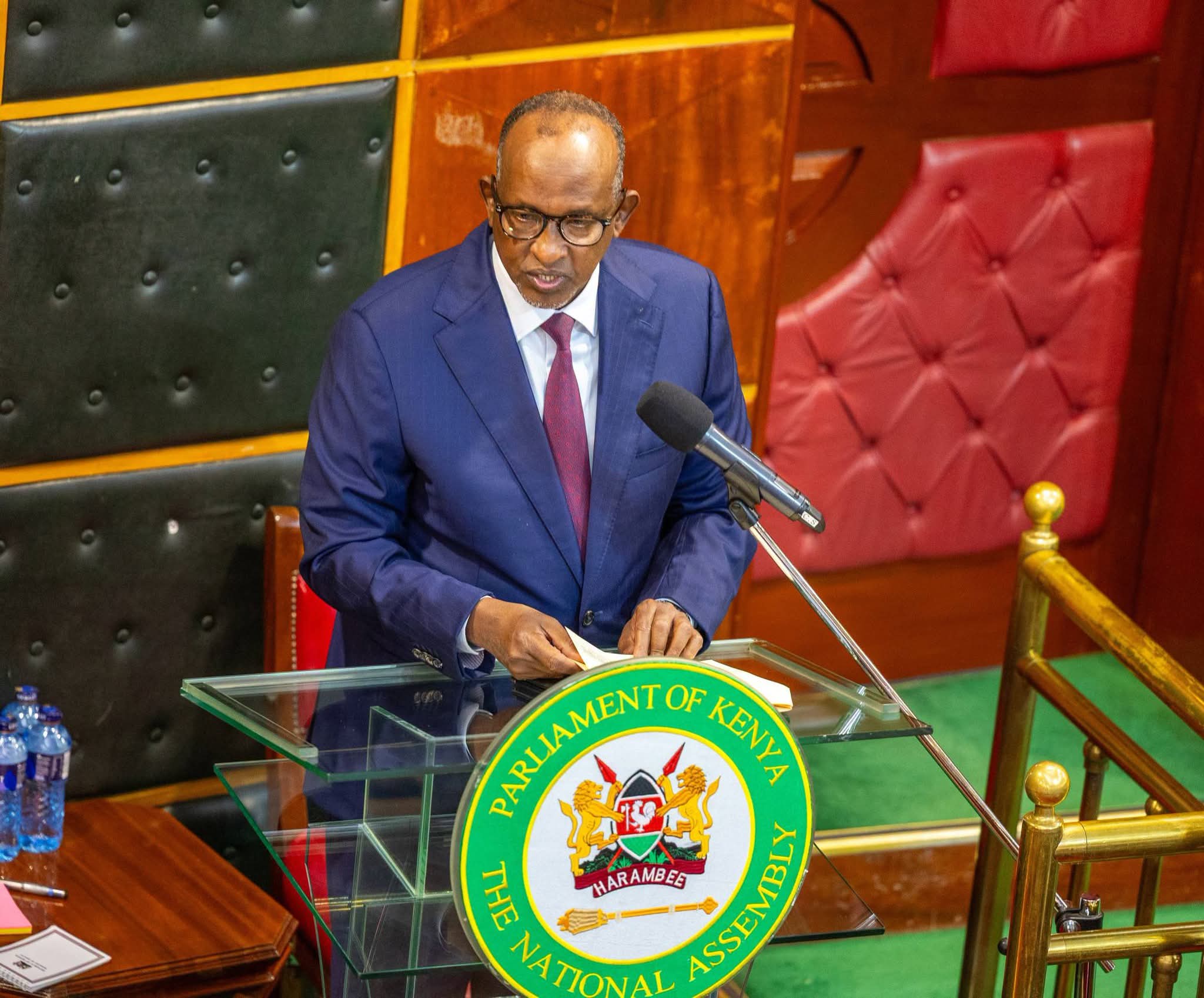
Cabinet Secretary for Health, Aden Duale has assured the National Assembly that Kenya remains free of Ebola virus disease despite heightened concerns arising from the ongoing outbreak in the region.
The CS was responding to questions before the House during Question Time pursuant to Standing Order 42C.
“I wish to assure this House and the people of Kenya that the country has not recorded any confirmed case of Ebola Virus Disease as of Tuesday, 2nd June 2026,” said Duale.
Acknowledging Kenya’s position as a regional aviation, trade, transport, and diplomatic hub, the CS noted that the Government was nevertheless treating the regional outbreak with the utmost seriousness.
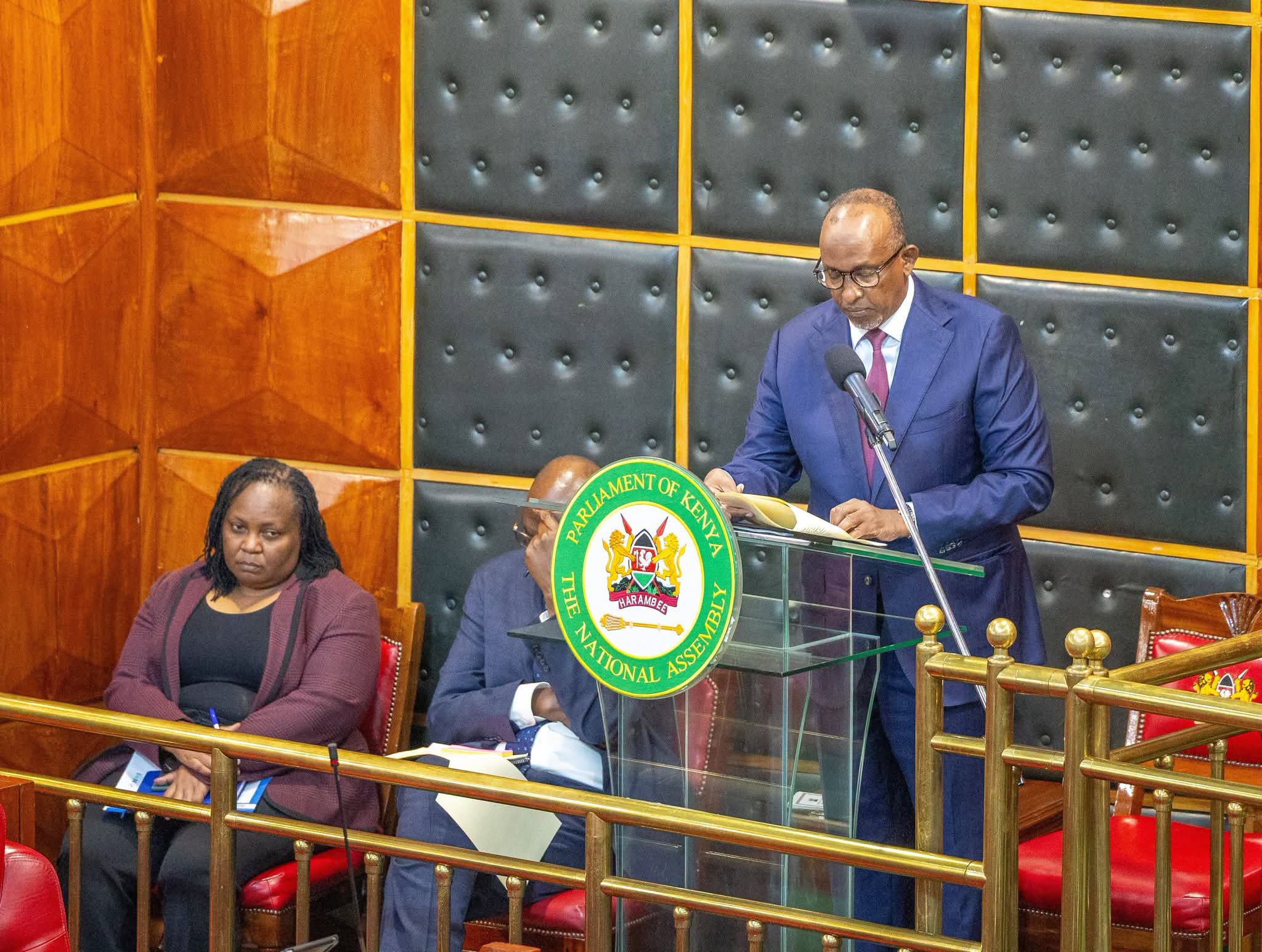
“Ebola is a severe disease with a high fatality rate and poses a significant public health threat,” he said.
How Kenya is preparing for Ebola outbreak
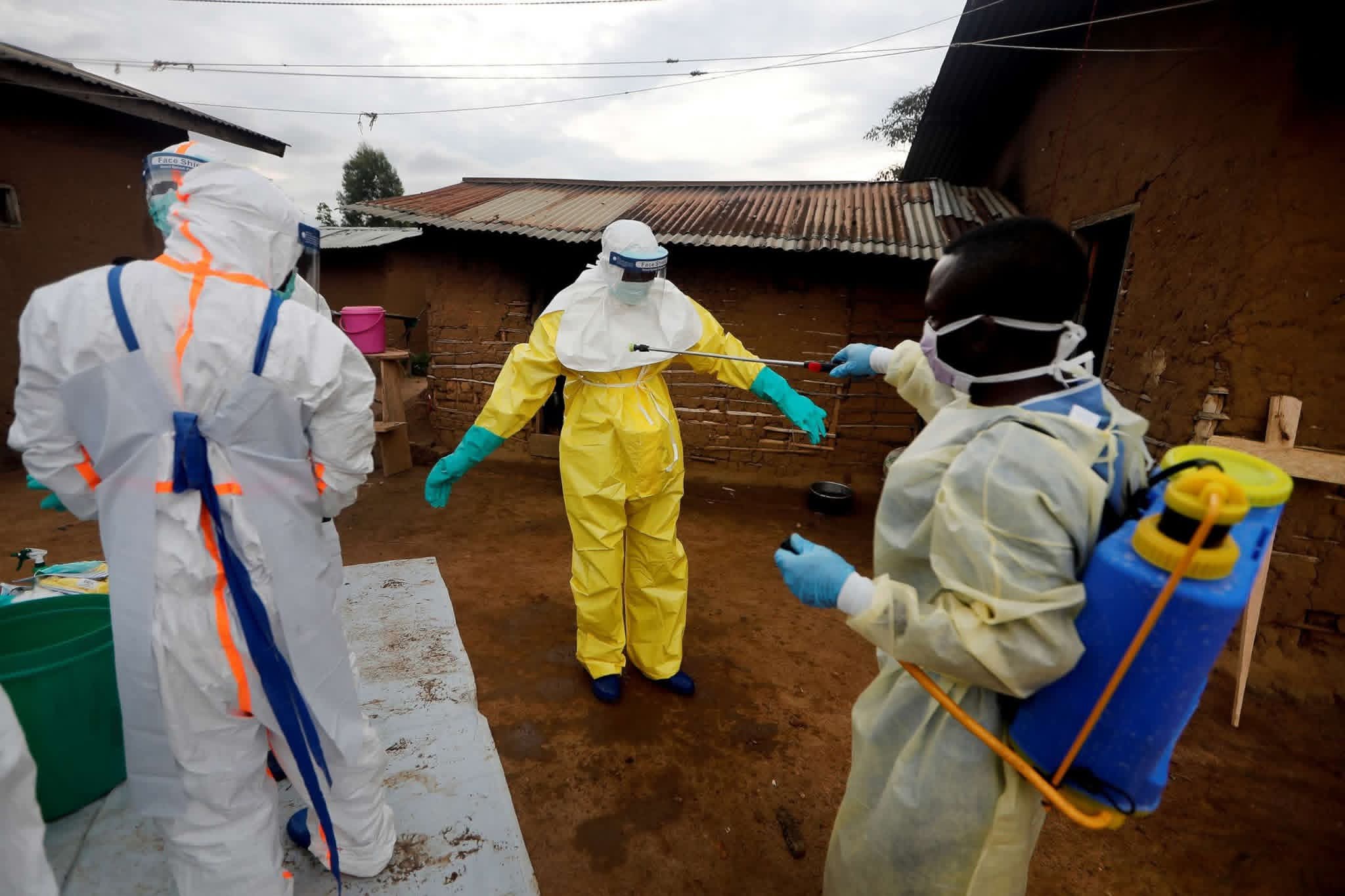
On the country’s preparedness, Duale informed Members that the Ministry of Health had put in place measures at both national and county levels to respond effectively in the event of an outbreak.
At the national level, the Ministry has designated an eight bed isolation and treatment unit at Kenyatta National Hospital and has conducted simulation exercises to test response mechanisms. The National Police Service Hospital has also set aside 49 beds that can be activated as part of the country’s surge response capacity.
At the county level, 29 counties have identified designated isolation and treatment facilities, while 1,069 national and county health workers have been sensitised and trained on Ebola preparedness and response.
“The Ministry has activated preparedness measures across all key response pillars, including coordination, surveillance and contact tracing, laboratory diagnostics, case management, infection prevention and control, risk communication, logistics, human resources and regional collaboration,” stated the CS.
He added that the Government’s response framework is anchored in the Constitution, the Health Act, the Public Health Act and the International Health Regulations (2005).
What Duale said about Kemya-US partnership in Ebola response
On international collaboration, Duale clarified that Kenya had entered into an agreement with the United States Government relating to the establishment of quarantine facilities for U.S. citizens and other foreign nationals in the event of a public health emergency.
“I wish to state clearly that the Government of Kenya and the Government of the United States signed the Agreement on Cooperation in the Threat Reduction Biological Engagement Program in 2015. The agreement was subsequently approved by Cabinet and tabled before Parliament on 19th July 2016,” he said.
Despite the assurances, Members of Parliament raised concerns over the proposed quarantine facility, arguing that it could expose the country to additional public health risks.
Laikipia County MP Sarah Korere, questioned the rationale behind establishing such a facility in Kenya, noting that similar proposals had reportedly faced resistance in the United States.
“The people of Laikipia are concerned that if Americans are flown to Laikipia Air Base for treatment, what measures are in place to ensure that the disease does not spread to surrounding communities, including the people of Nanyuki?” she asked.
Korere further expressed concern over the potential impact on tourism, warning that fears associated with the facility could discourage foreign visitors and negatively affect the county’s economy.
Teso South MP Mary Emaase also opposed plans to convert Alupe Hospital into an Ebola isolation centre, arguing that the facility serves as a critical healthcare institution for residents of Busia County.
On his part, Kiharu MP Ndindi Nyoro, urged the Ministry of Health to take into account the concerns being raised by Kenyans, emphasizing that government decisions must reflect the interests of the people.
“The United States health budget is more than 800 times larger than Kenya’s, and its capacity to handle such health emergencies is significantly greater. Why then should Kenya establish such a facility against the wishes of its citizens?” posed MP Nyoro.
Leader of the Minority Party, Junet Mohamed, questioned the country’s decision making processes regarding international agreements and the implementation of the proposed facility.
“What Kenyans are grappling with is how the Government intends to safeguard Kenya’s sovereignty and decision-making authority under such arrangements,” he said.
Seme MP and Chairperson of the Departmental Committee on Health, James Nyikal, sought clarification on whether the proposed facility would be accessible to Kenyans or reserved exclusively for foreign nationals.
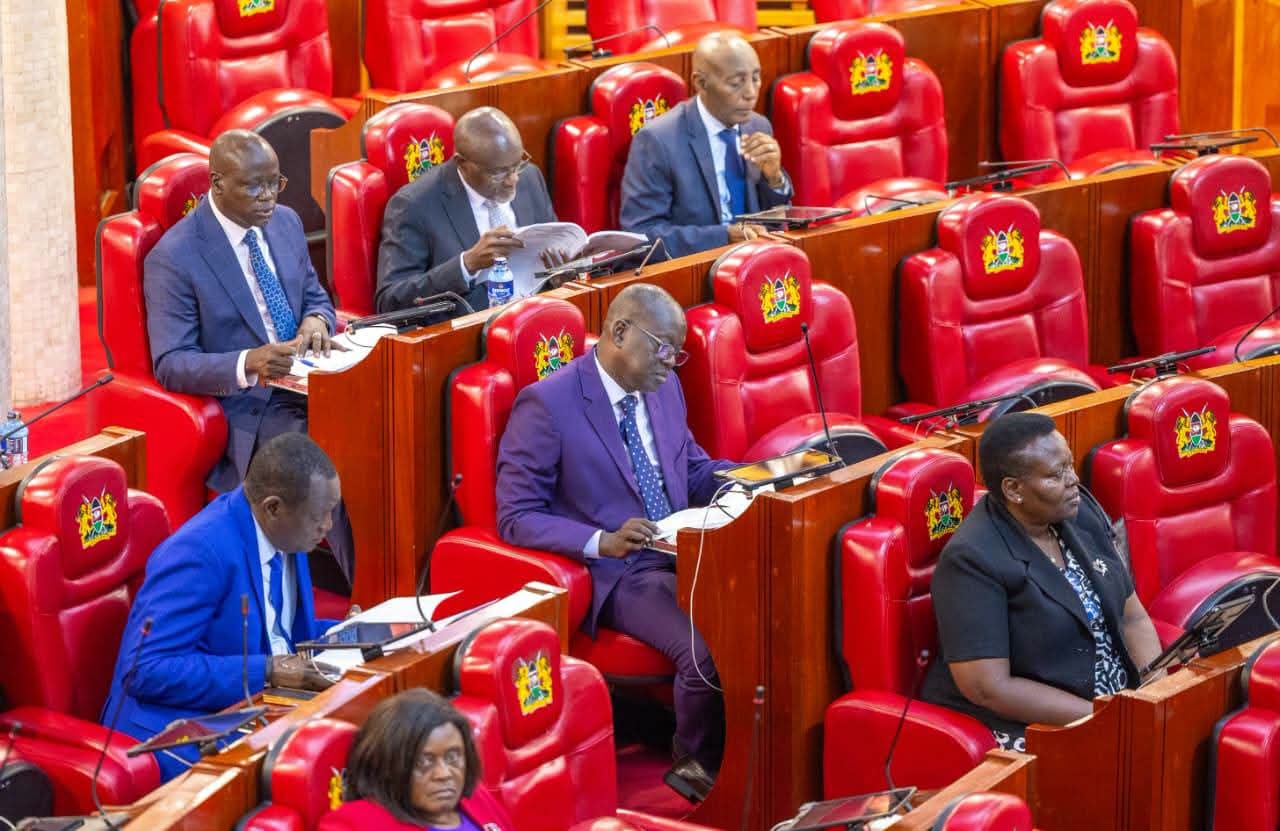
Questions over US Ebola quarantine facility in Kenya
He further argued that the implementation of bilateral agreements should not proceed in a manner that disregards public concerns.
Endebess MP and Vice Chairperson of the Health Committee, Hon. (Dr.) Robert Pukose, sought clarification on the operational implications of designating hospitals as isolation centres, including whether entire facilities would be dedicated to Ebola management during an outbreak.
Suba North MP, Millie Odhiambo, cautioned against any arrangement that could compromise the welfare of Kenyans in favour of foreign interests.
“We cannot allow a situation that compromises our own citizens in order to maintain international friendships,” she warned.
In response, CS Duale informed the house that, “International cooperation does not mean surrender of our national authority and sovereignty. ”
He added that all public health decisions within Kenya remain under the authority of the Government. International partners and governments, including the U.S., only provide technical assistance, health commodities, finance, training, and logistical support within the agreement frameworks.
He assured the House that the facilities are public health assets available to serve all Kenyans and are not exclusively reserved for specific nationalities.