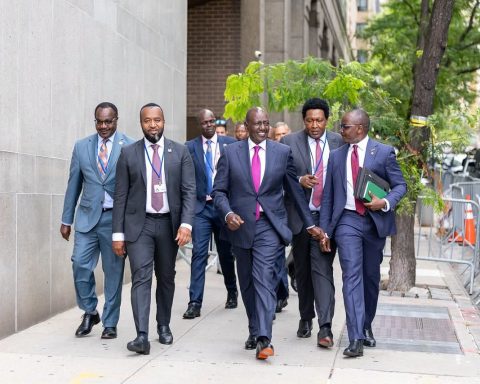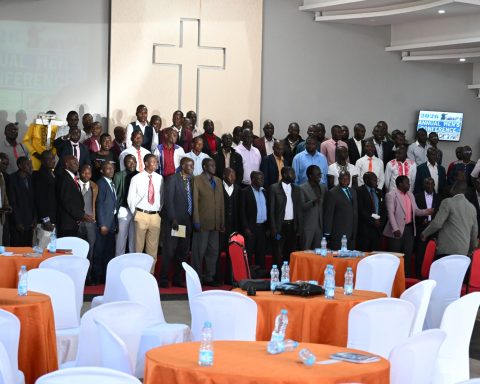

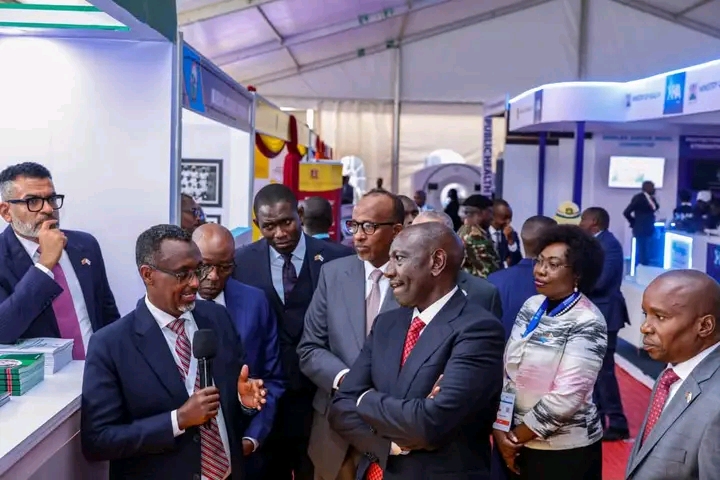
Kenya’s progress in strengthening its health system was highlighted as President Dr William Ruto presided over the official opening of the Kenya Health Summit 2026 at the Kenyatta International Convention Centre (KICC).
The two-day Summit, held under the theme “Reforms Delivered, Health as a Right,” brings together national and county governments, health professionals, development partners, the private sector and other stakeholders to review progress and define the next phase of Kenya’s journey towards Universal Health Coverage.
Led by Cabinet Secretary for Health Aden Duale, the Ministry of Health showcased how reforms under the Fifth Administration’s Bottom-Up Economic Transformation Agenda are improving health financing, digital health, specialised care, health products and technologies, maternal and newborn health, and the health workforce.
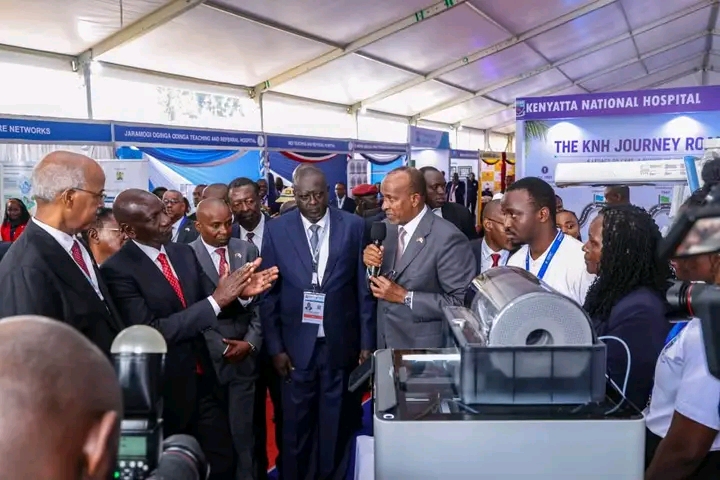
Impact of Kenya’s National Equipment Service Programme
Through the KSh 9.6 billion National Equipment Service Programme, 862 specialised medical equipment units have been deployed across 251 health facilities in 44 counties.
The investment is strengthening the capacity of county hospitals to provide specialised services closer to communities, reducing unnecessary referrals, travel distances and costs for patients.
The Digital Health Agency has distributed more than 42,000 digital devices across the country against a target of 74,000. The devices support the Taifa Care platform, electronic medical records, biometric verification and real-time processing of Social Health Authority claims.
Within two years, 32.3 million Kenyans have been registered with the Social Health Authority, while more than 10,000 health facilities have been accredited to provide services under the new framework.
These reforms are laying the foundation for a health financing model in which access to care is increasingly determined by need rather than a person’s ability to pay at the point of illness.
Following the Government’s KSh 10 billion recapitalisation of the Kenya Medical Supplies Authority, the national health commodities supply chain has become more reliable. Order turnaround times have improved, while the order fill rate has risen from 35 per cent to 95 per cent, enabling health facilities to receive essential medicines and medical commodities more consistently.
Every Woman Every Newborn Everywhere programme
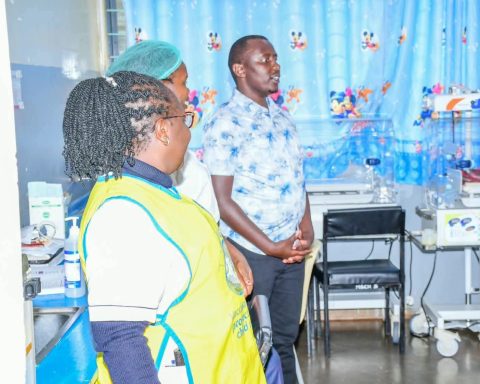
Through the Every Woman Every Newborn Everywhere programme, championed by President Ruto, the Government is intensifying efforts to reduce preventable maternal and newborn deaths. The planned recruitment and deployment of 5,000 additional nurses and midwives under the Maternal and Newborn Health Acceleration Programme will strengthen frontline services and expand access to quality maternity and newborn care.
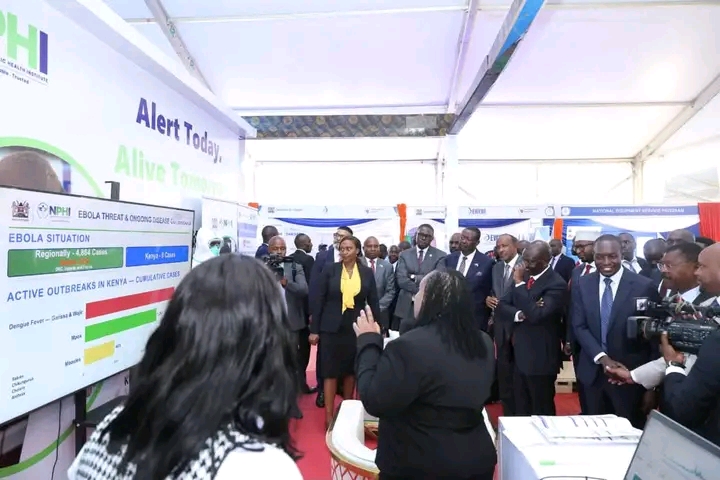
Investment in the health workforce extends beyond maternal and newborn care. Over the past four years, 24,573 healthcare interns have been deployed across all 47 counties, strengthening service delivery while building a pipeline of skilled health professionals.
A further 7,414 Universal Health Coverage staff transitioned from contractual to permanent and pensionable terms effective 1 July 2026, supported by an allocation of KSh8.94 billion. The move is expected to strengthen workforce stability and retention.
Together, these reforms demonstrate a deliberate shift from isolated interventions towards an integrated, data-driven, better-financed and adequately equipped health system that responds to the needs of communities.