
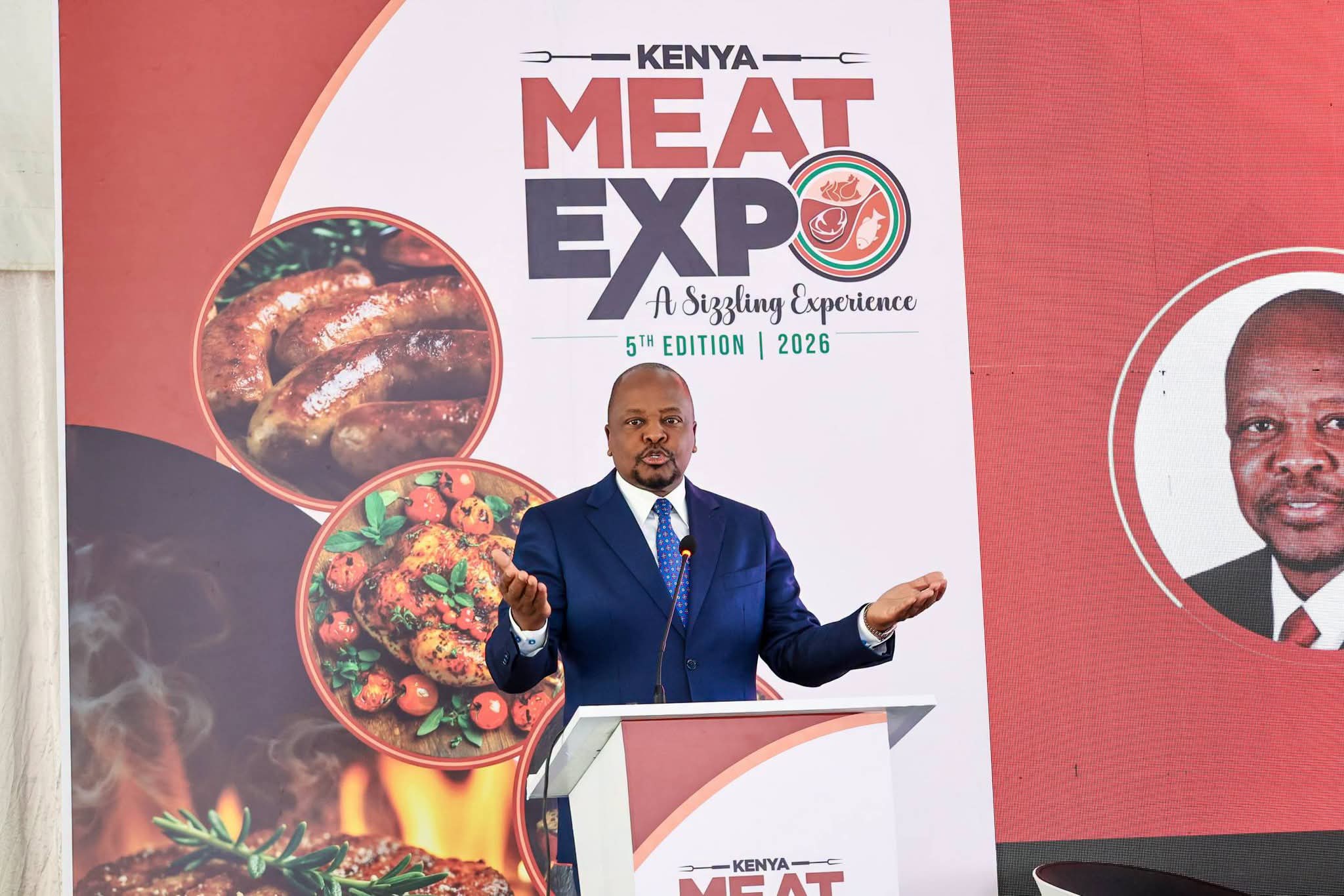
Kenya’s meat industry is at a strategic turning point, with the livestock base, growing domestic market, entrepreneurial capacity and geographical advantage to compete regionally and globally.
Agriculture Cabinet Secretary Mutahi Kagwe said the priority now is to convert this potential into productivity, investment, jobs, exports and higher incomes for farmers and pastoralists.
How much meat does Kenya produce?
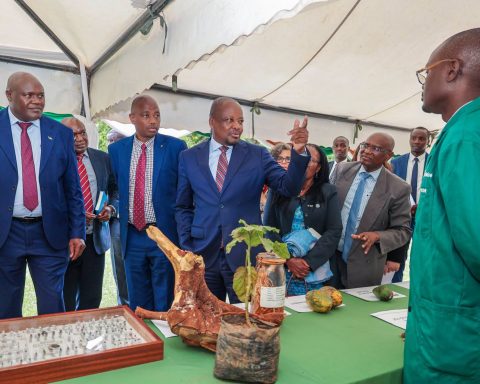
Speaking as he officially opened the Kenya Meat Expo 2026, Kagwe noted that Kenya produced 613,627 tonnes of meat in 2024, valued at approximately KSh 397 billion, 10.2% more in volume and 30.5% higher in value than in 2023.
Beef accounted for about 260,000 tonnes valued at KSh160 billion, while major opportunities exist in goat meat, mutton, poultry, camel meat, pork and emerging value chains such as rabbit meat.
But Kagwe said Kenya must capture more of this value at home, warning that exporting live animals amounts to exporting jobs.
“When we export the animals, then we are sending out jobs. We are exporting jobs to Europe. We are exporting jobs to Dubai. We are exporting jobs to the Middle East,” he said.
He challenged Kenya to process, brand and export more meat and meat products so that more wealth remains in the country and reaches producers.
How many slaughter facilities are in Kenya?
With approximately 2,000 slaughter facilities – 49 large slaughterhouses, 322 medium slaughterhouses and about 1,530 slaughter slabs, the CS said the focus must shift from the number of facilities to their quality and performance.
“It is not just a question of quantity. It is also an issue of quality,” the CS said.
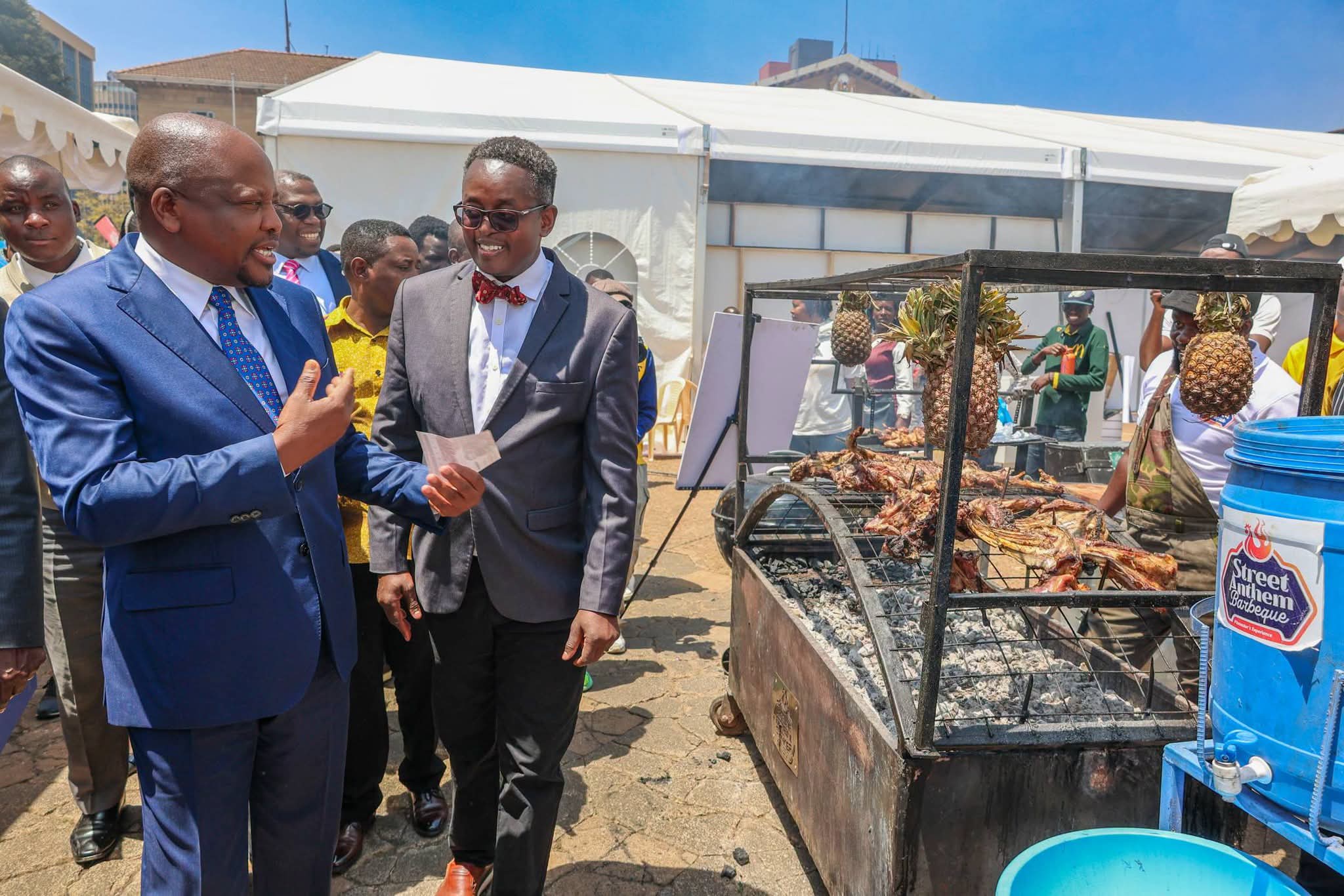
He called for stronger hygiene, inspection, refrigeration, compliance, capacity utilisation, waste management, logistics and market connectivity to enable Kenyan meat to command premium prices.
Kagwe stressed that the value chain begins “right from the birth of the animal all the way to the fork and knife,” putting animal health and food safety at the centre through disease surveillance, vaccination, veterinary services, laboratory capacity, biosecurity and animal movement control.
A major pillar is ANITRAC, the Animal Identification and Traceability System, which will enable animals to be traced from origin, ownership and vaccination history to their movement before slaughter.
“Going forward, every Kenyan animal should have an identity and a traceable history,” CS Kagwe noted.