

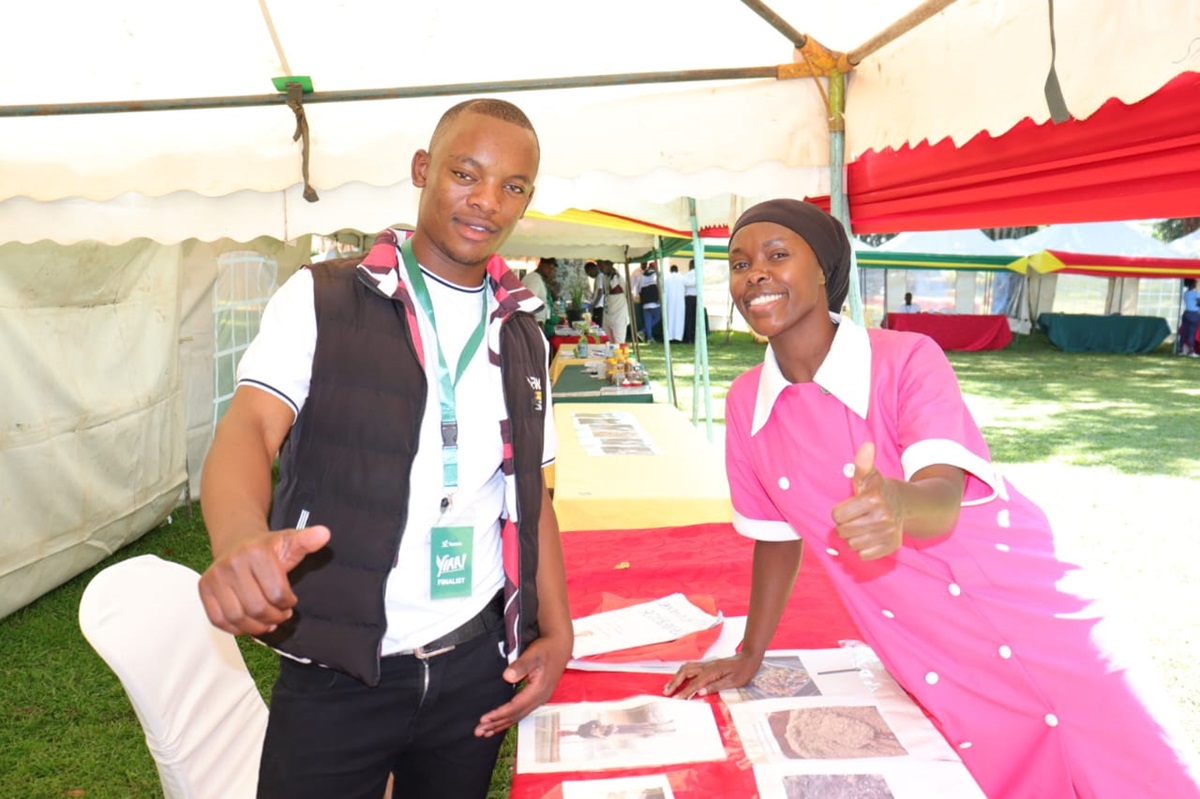
A Bachelor of Science in Animal Science student at Egerton University has emerged as the national winner in the insect-rearing category during the Youth in Agriculture Awards (YIAA).
The student, Phillip Msagha Nyange, was feted for his groundbreaking innovation that combines sustainability, agribusiness, and food security.
Nyange’s project, titled “Turning Waste into Wealth by Rearing Housefly Maggots,” captured national attention for its practical approach to solving food insecurity and environmental degradation using a low-cost, scalable insect protein system.
The innovation stood out among other regional entries during the YIAA Regionals hosted at Egerton University Main Campus, where Nyange qualified for the national stage.
“This is not just a project; it’s a movement toward building resilient food systems,” said Nyange during a recent interview.
“We are living in an era where we can no longer rely solely on conventional crop farming. Climate change, land degradation, and unpredictable weather patterns are pushing us to innovate,” he added
Dr. Julius Mafura, a seasoned academic and researcher at Egerton University, termed the innovation as great, while describing the student as outstanding.
What does Housefly Maggots’ innovation entail?
Nyange’s innovation revolves around converting decomposing organic waste into valuable animal feed and organic fertiliser by rearing housefly larvae. The maggots, rich in protein, are dried and processed into affordable feed for poultry, pigs, and fish.
Meanwhile, the waste residue is transformed into compost, contributing to soil health and sustainable farming practices.
According to Nyange, the inspiration behind the project came from pressing global concerns. With the world’s population expected to reach 10 billion by 2050, sustainable food systems are more critical than ever.
“Animal production has unique strengths. Unlike crop farming, it can adapt to urban spaces and harsh climates through intensive systems. But nutrition, especially protein, remains the most costly component. That’s where insects offer a viable solution,” he noted.
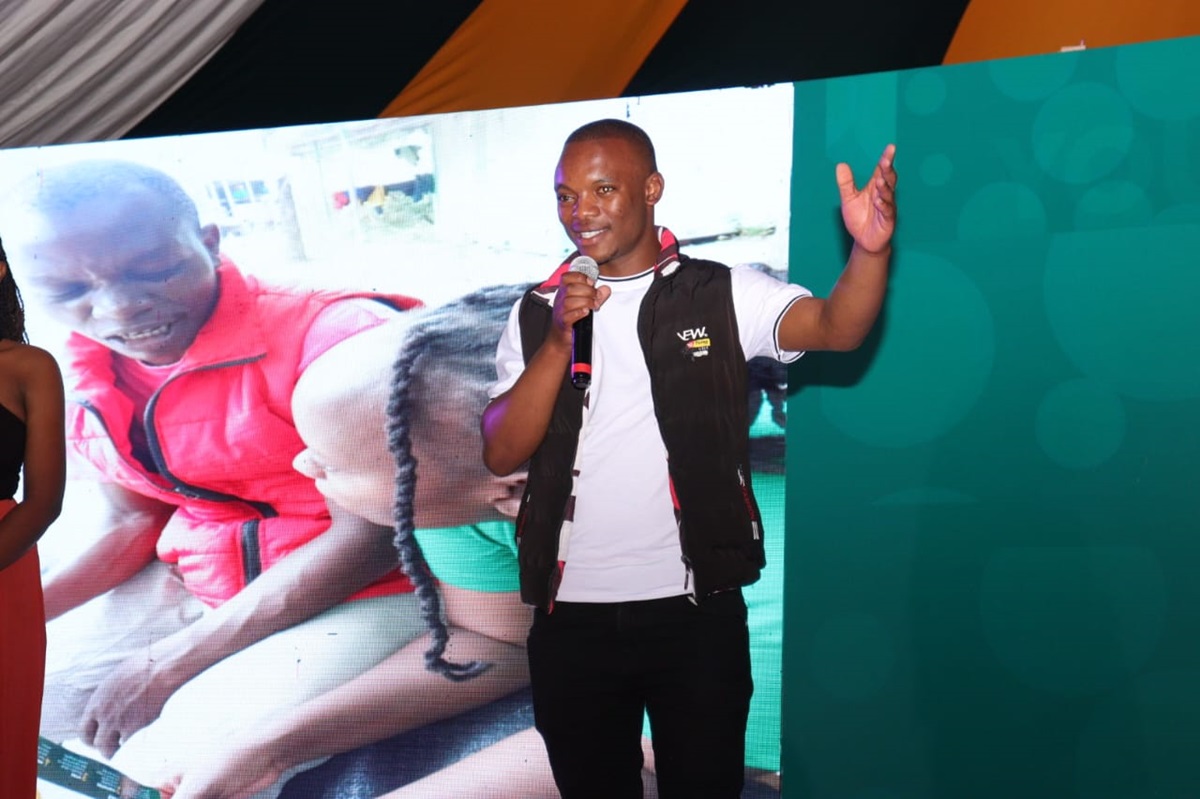
The innovation was evaluated on its creativity, feasibility, environmental impact, and cost-efficiency. Judges were particularly impressed by Nyange’s ability to prototype a working rearing unit, demonstrate successful incubation, and deliver a real-world application of sustainable livestock nutrition.
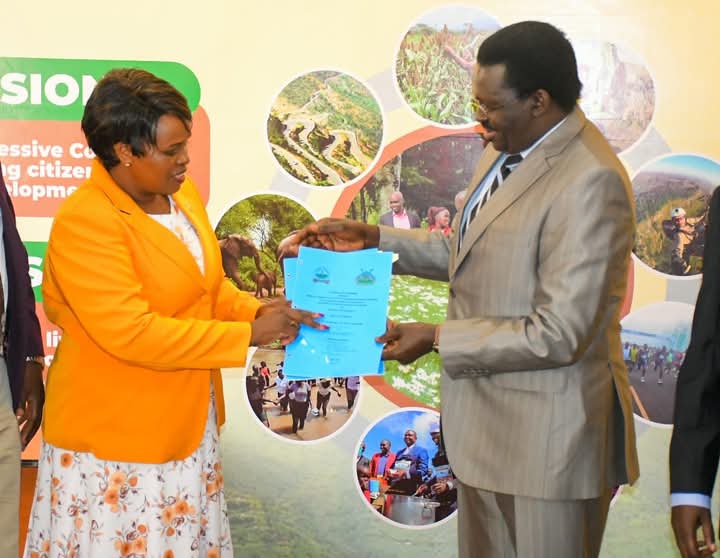
At the national event in Kakamega, Nyange received a project award voucher worth Ksh 50,000, a commemorative plaque, and formal recognition from the organisers.
Beyond innovation, Nyange is now seeking to scale his project and deepen his contribution to the livestock sector.