
By DPCS
Deputy President Kithure Kindiki has outlined government’s efforts to reform and strengthen the education sector.
Prof Kindiki said the Kenya Kwanza administration had significantly increased funding to education as part of its plan to improve access, quality and relevance of learning across the country.
What is the current education budget in Kenya?
He said the education budget had risen from Ksh 500 billion in 2022 to Ksh 702 billion in the current financial year and would increase further to a historic Ksh 765 billion in the 2026/2027 financial year starting July 1.
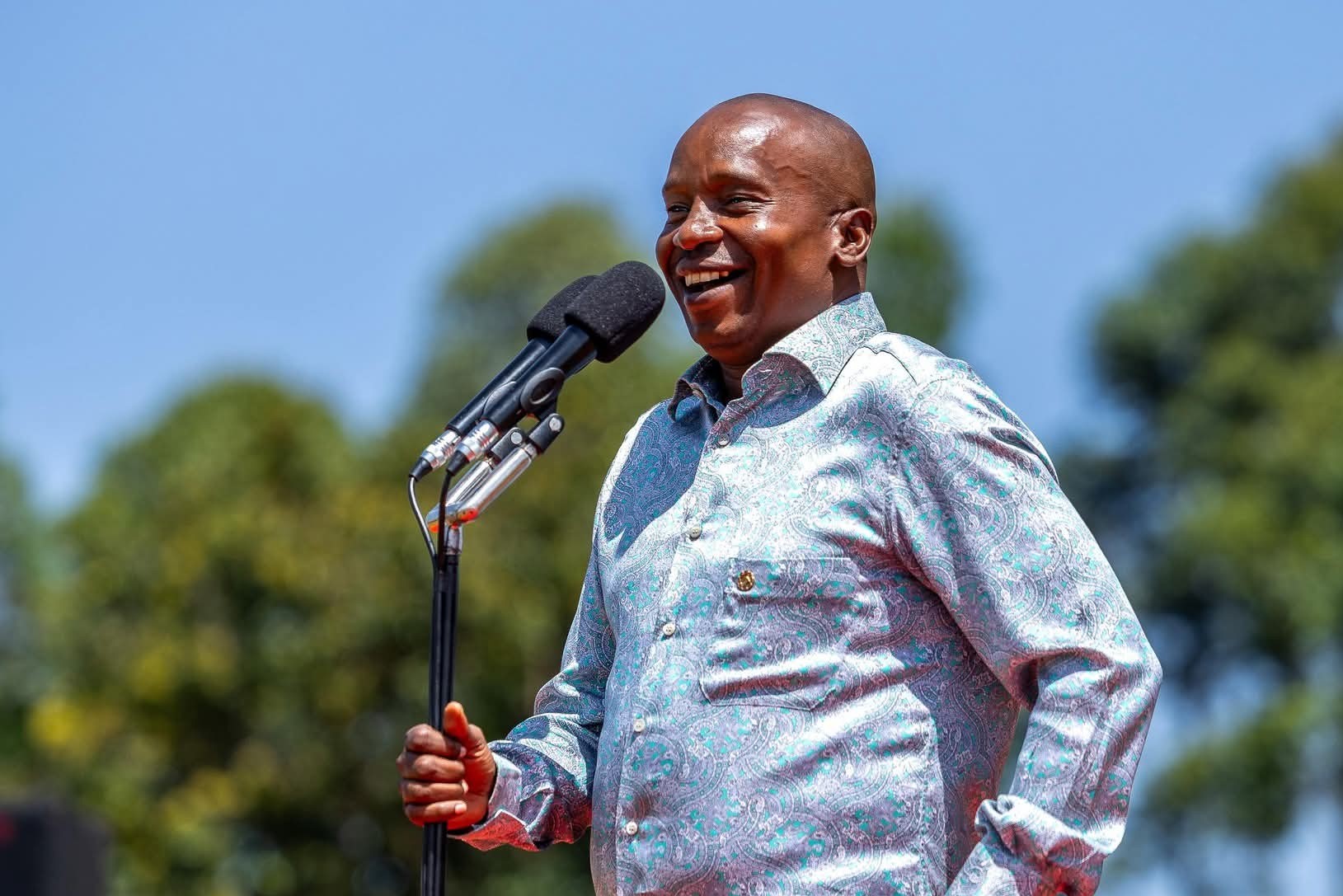
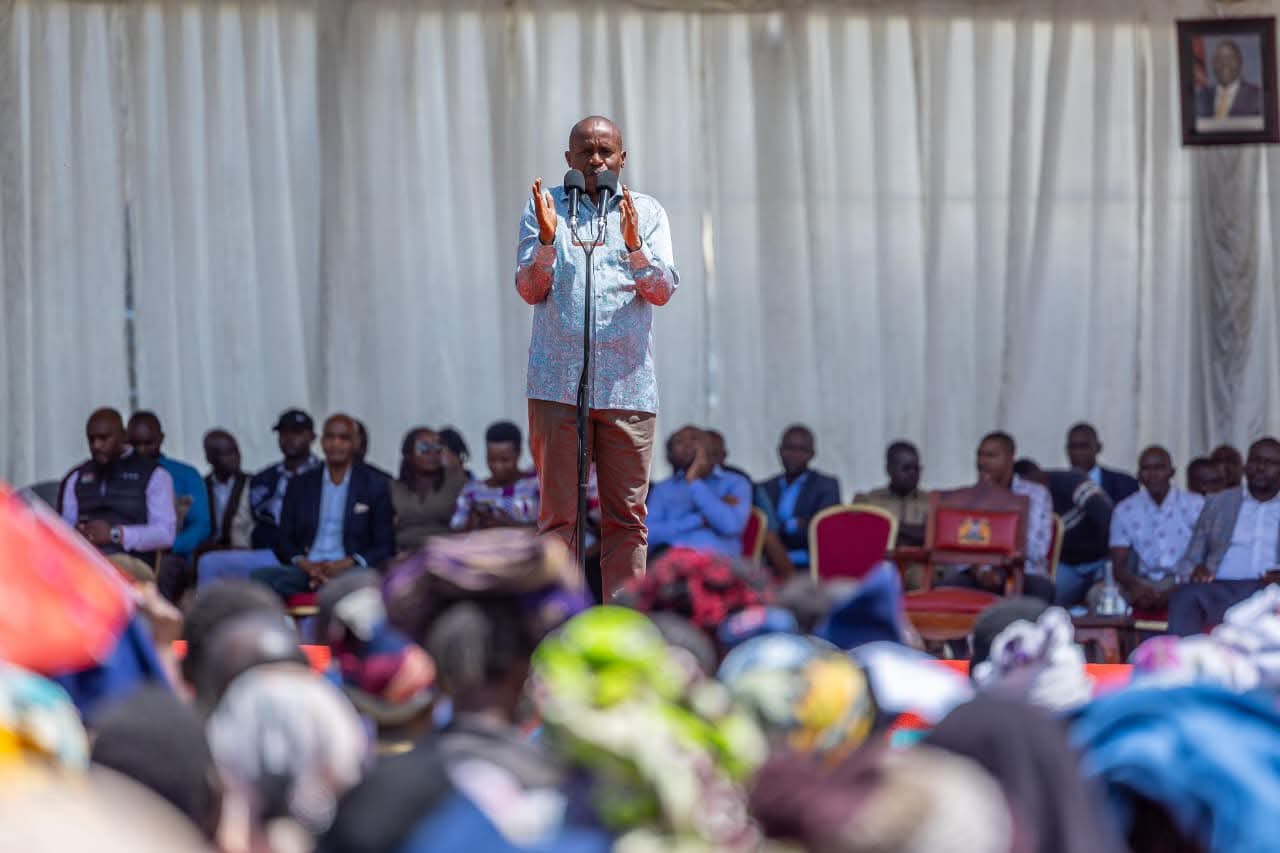
Speaking in Kisii County on Monday, May 25, 2026, the Deputy President said the Government had undertaken major policy interventions, including reforms under the Competency-Based Education and Training (CBET) system, recruitment of teachers and expansion of learning infrastructure.
“We are investing heavily in education because it remains the strongest foundation for equality, opportunity and national transformation,” Prof Kindiki said.
He noted that the Government had recruited a record 100,000 teachers over the last four years, constructed 23,000 classrooms and built 1,600 laboratories to improve learning conditions in schools.
At the tertiary level, Prof Kindiki said reforms in technical and vocational education had led to increased enrollment and improved training opportunities for young people.
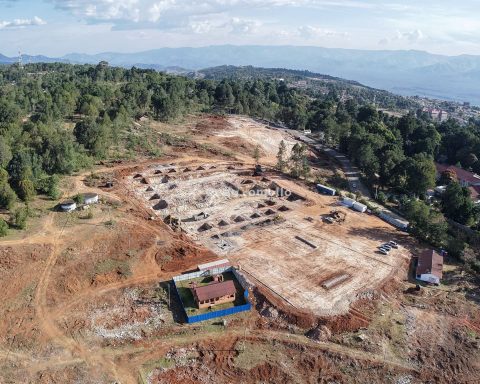
The Government, he said, was constructing and equipping at least one technical training institute in every constituency while implementing reforms such as modular-based learning, recognition of prior learning and the dual training policy.
2026 fees for technical institutions in Kenya
He added that the reduction of annual fees in technical institutions from Ksh 105,000 to Ksh 87,000 had helped increase enrollment from 297,000 students in 2022 to 718,000 currently.
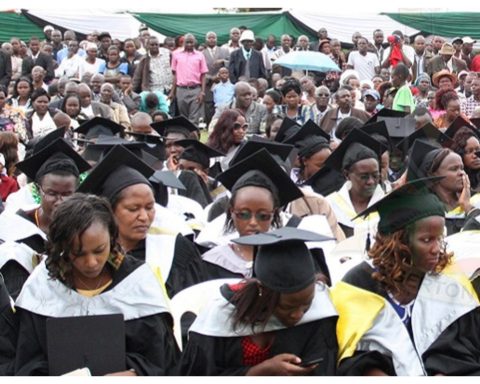
Prof Kindiki also defended the new student-centred university funding model, saying it was designed to ensure no student misses university education due to lack of fees while helping stabilise public universities facing financial challenges.
He pledged continued investment in education infrastructure, teacher recruitment and student support programmes, saying the Government was determined to ensure every child accesses quality and relevant education.