
By Sosten Kiprono
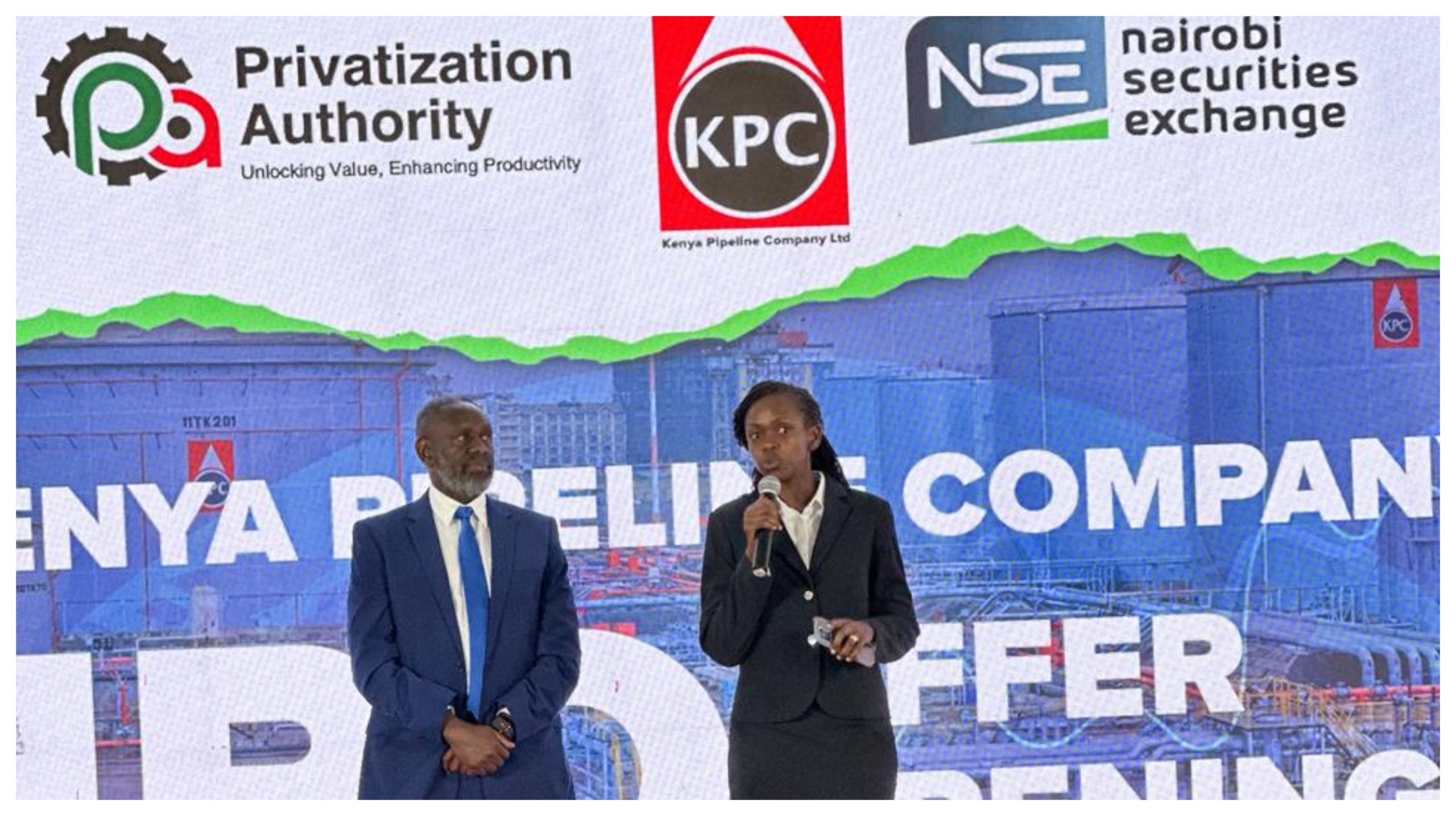
Kenya Pipeline Company (KPC) has officially launched a landmark Initial Public Offering (IPO), marking one of the most significant capital markets events in Kenya since the Safaricom listing in 2008.
The offer, which opened on January 19, 2026 and will run through for a month, is expected to see KPC list on the Nairobi Securities Exchange (NSE.
Trading is expected to begin on March 9, 2026.
The IPO, which values the state-owned petroleum infrastructure firm at approximately Ksh 154 billion, has set the offer price using an earnings-based valuation methodology with shares priced at Ksh 9 each.
Through the offer, the government is divesting 65% of its stake (11.81 billion shares), while retaining a 35% ownership, which is subject to a lock-in period of 24 months.
If fully subscribed, the transaction is expected to raise over Ksh 100 billion, making it one of the largest public offers in Kenya’s history.
Which is Kenya’s first fully digitised E-IPO?
Beyond its size, the KPC IPO is also notable for its structure, which will see it become Kenya’s first fully digitised E-IPO, allowing investors to apply and pay through digital platforms. This will enable broader retail participation and streamline the application processes.

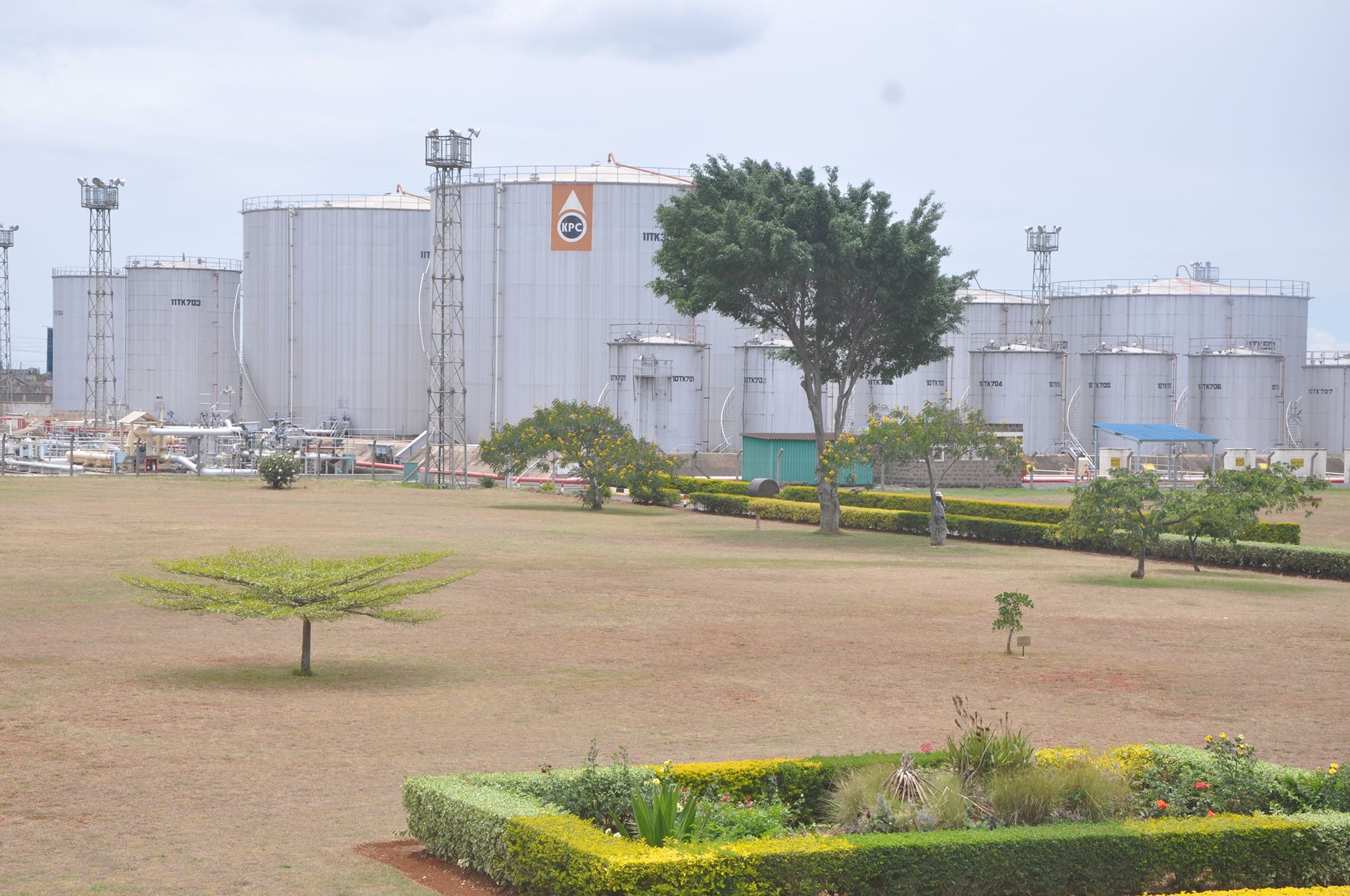
KPC enters the public markets with strong fundamentals, including playing a central role in Kenya’s energy supply chain, transporting and storing petroleum products across the country and into the wider region, including Uganda, South Sudan, and parts of eastern DR Congo.
In the most recent financial year, the company reported revenues of KES 38.6 billion and a profit after tax of KES 7.49 billion, underscoring its commercial viability.
For investors, the company has proposed a 50 per cent dividend payout policy post-listing, positioning the stock as a potential income-generating investment. The firm is also notably debt-free, a rare advantage among large infrastructure entities.
The share offer has been structured to balance local and regional participation. Allocations have been reserved with 20% each for Kenyan retail investors, institutional investors, East African community investors, and foreign investors.
Oil marketing companies have been allocated 15%, while KPC employees have been given 5% under an employee share ownership plan. This approach is intended to broaden ownership while protecting the strategic role of the company.