
Kenya is set to launch the JobsConnect Compact, making it the first country in Africa to finalise the global framework aimed at creating 6 million new, greener and dignified jobs by 2030.
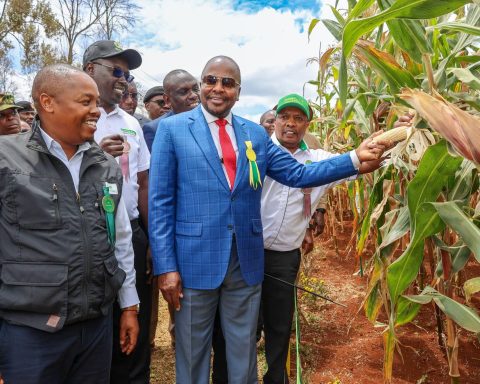
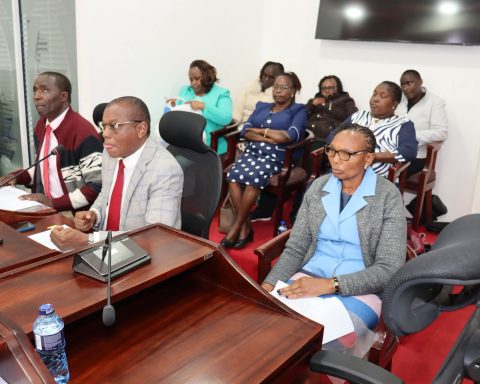
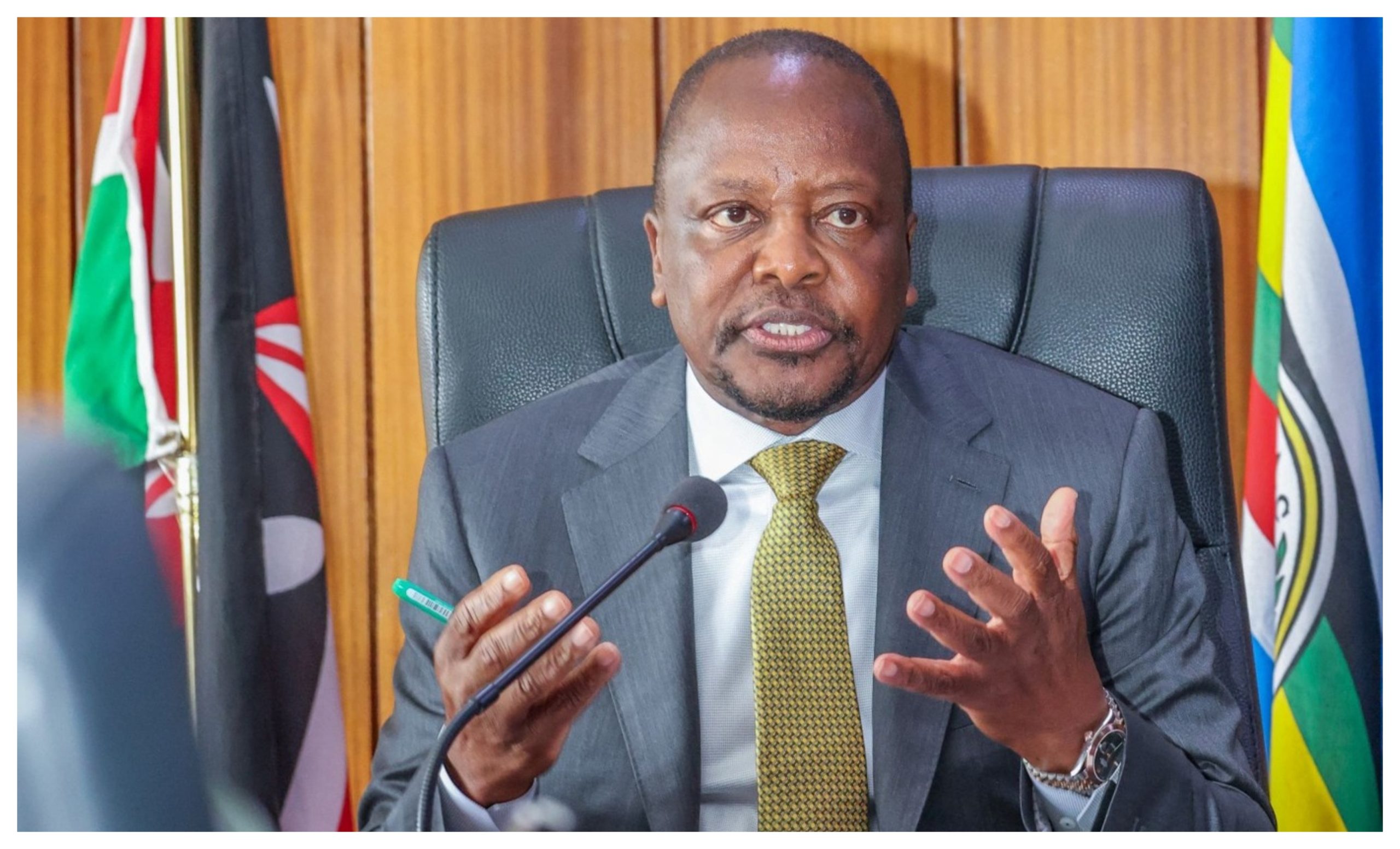
Agriculture Cabinet Secretary Mutahi Kagwe made the announcement during a briefing with the World Bank Regional Office leadership.
The CS confirmed that all agricultural digitisation efforts are now consolidated under the Kenya Agriculture Data and Information Centre (KADIC), which will house the full data ecosystem, including KIAMIS.
He also announced that the Agriculture Information and Resource Centre (AIRC) will be rebranded to KADIC to eliminate data duplication and strengthen real-time linkages between farmers, counties, cooperatives, markets, and processors.

KADIC Director Betty said the Centre will lead the rollout of the Digital Agriculture Roadmap (DAR) to be launched next year.
Director of Digital at KADIC, Juma Salim, emphasised that unifying data from the Ministry’s 31 parastatals will ensure that farmers receive timely, actionable information.
What is JobsConnect Compact?
The JobsConnect Compact focuses on job creation, food and nutrition security, import substitution, and export growth, including: 5.3 million new and better jobs; reducing food-insecure populations by 10 million; cutting imports by USD 2–3B, and increasing agricultural export earnings by USD 5 billion.
The CS noted that digital agriculture is central to transforming farmer incomes and attracting youth into a modern, tech-driven sector.
He highlighted a major human resource transition, 30% of departmental heads due to retire, 20% already retired, and over half the workforce set to exit within two years—calling it an opportunity to rebuild capacity through Agri-Connect, agri-preneur training, Kenya Agriculture College, and digitised soil testing.

Mastercard presented its digital payment infrastructure and noted that only 2% of farmer transactions currently pass through M-Pesa, limiting financial visibility. Equity Bank reaffirmed agriculture as a core pillar, backing efforts to raise yields, savings, and long-term farmer wealth.
In addition, the CS stressed that agriculture cannot operate at 18–19% commercial interest rates, advocating for a 5% guaranteed agricultural credit rate as the sustainable option.
He cited government investments, including the KSh 61 billion fertiliser subsidy and KSh 17 billion credit facility, as part of efforts to stabilise production and lower input costs.