

By Jessica Nyaboke
The youth in Kenya have been asked to shun political leaders who plan to use them to cause chaos ahead of the 2027 General Election.
Principal Secretary for Economic Planning, Dr Boniface Makokha, has instead asked the young people to focus on establishing initiatives that would help build their future.
Dr Makokha said the youth should not allow themselves to be used by politicians who are only interested in achieving their selfish ambitions at the expense of the young Kenyans’ lives.
Speaking in Mautuma, Turbo sub-county, Uasin Gishu County, the PS said that with the establishment of Jitume Digital Hubs across the county, the youth should engage in meaningful ideas that would help them generate an income.
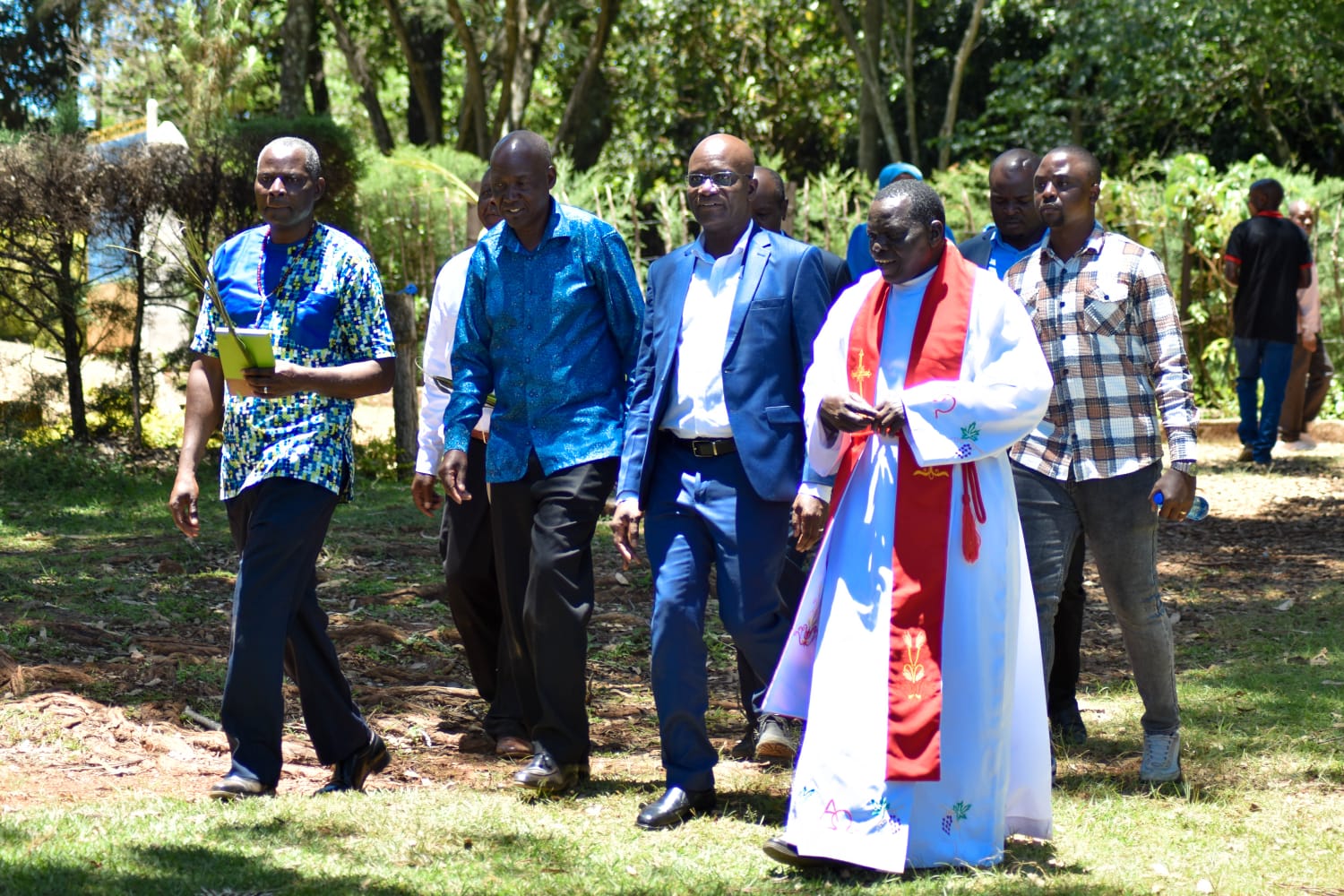
He further said the initiative is a countrywide programme that was initiated by the broad-based government and that it aims to prepare and equip the young people with digital skills.
“This programme, which is a flagship project of the government administration, aims to ensure Kenya attains the status of a knowledge-based economy,” PS Makokha said.
Several youths admitted that they are now able to do online jobs following the installation of the digital devices in the ICT Jitume Digital Hubs.
What are Jitume Digital Hubs?
The Jitume Digital Hubs are a flagship government initiative under the Digital Superhighway agenda aimed at equipping Kenyan youth with digital skills, internet access, and opportunities for online work and entrepreneurship.

Launched by the Ministry of Information, Communications, and the Digital Economy (MICDE) in collaboration with Konza Technopolis and the ICT Authority, the program plans to establish 1,450 hubs across all electoral wards in Kenya to bridge the digital divide.
The hubs are equipped with desktop computers, virtual desktop infrastructures (VDIs), and broadband internet, with standard centres typically holding 50 to 100 devices and “Centres of Excellence” featuring up to 100 devices.
The program targets online jobs, e-commerce, digital government services, and innovation, specifically focusing on youth as well as underserved rural communities.
As of late 2024 and early 2025, over 117 to 274 hubs had been launched or commissioned nationwide, with the government targeting the completion of 290 hubs annually.