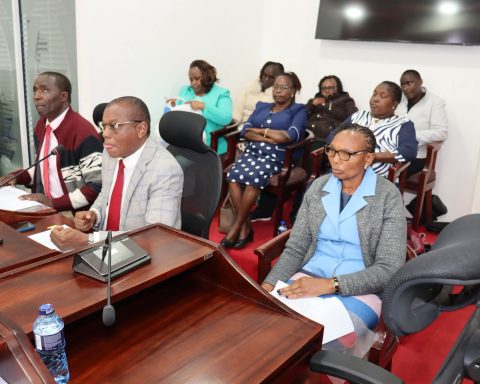


The National Assembly Committee on Education has engaged stakeholders in the Higher Education Sector to resolve the long-standing strike by university unions over the implementation of the 2017–2021 Collective Bargaining Agreement (CBA) and ongoing negotiations for the 2025–2029 CBA.
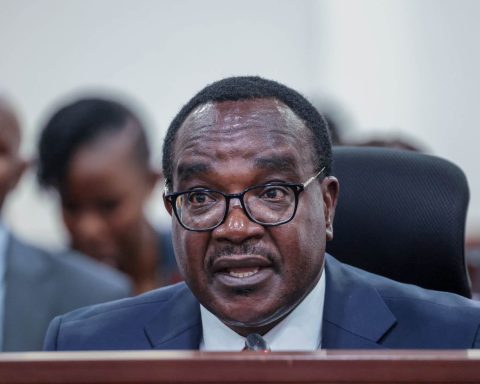
In a meeting chaired by Tinderet MP Julius Melly, the Committee engaged CS National Treasury John Mbadi, his Education counterpart Julius Ogamba, as well as UASU National Secretary General Dr Constantine Wasonga Opiyo, and Prof. Fred Simiyu Barasa, the chair of the Inter Public University Consultative Forum (IPUCCF).
Melly said the Committee’s priority was to ensure learning in universities continues uninterrupted while safeguarding lecturers’ welfare.

“We must find a lasting solution to this matter. Students cannot continue to suffer every time a strike is called. We are ready to facilitate dialogue and push for an implementable payment plan,” he said.
How much are lecturers demanding from the government?
The unions had earlier demanded full implementation of the 2017–2021 CBA, arguing that only a portion of the Ksh 8.8 billion negotiated was released, leaving a deficit of approximately Ksh 7.9billion.
Responding to legislators’ concerns, National Treasury officials confirmed that the Government remains committed to settling the arrears but proposed a structured payment plan spread over several months to avoid straining the Exchequer.
“The Treasury is working closely with the Ministry of Education to ensure the pending obligations under the CBA are cleared. However, due to the current fiscal constraints, payments will be done in two instalments, 50% in this financial year and 50% in the next financial year,” said CS Mbadi.

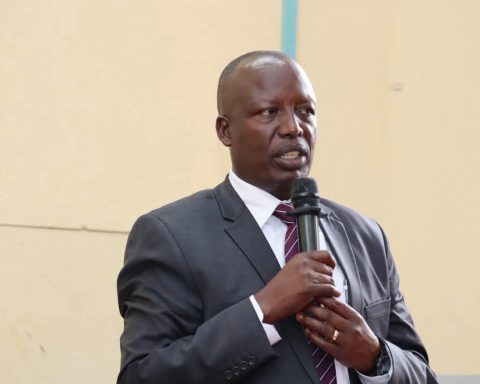
“We are aware of the government’s offer of two instalments of 50%. I convened my members, and they have voted no. Some of my Members are retired and they need their pensions. Our members need their arrears,” the UASU secretary general responded.
Has the 2025–2029 CBA between lecturers and the government been signed?
The unions also pushed for the fast-tracking of the signing and registration of the 2025–2029 CBA to prevent a repeat of the current stalemate.
“We appreciate the Committee’s intervention, but we also need commitment on the future CBA. Lecturers have waited too long. We want a clear implementation framework,” Dr Wasonga stated.
MPs urged both the Ministry and the unions to conclude the ongoing negotiations before the end of the year, emphasising that the Committee will monitor progress closely.
“This Committee wants universities to resume functioning. The Treasury, Education Ministry, and unions must act within the agreed timelines,” said the committee chairperson.
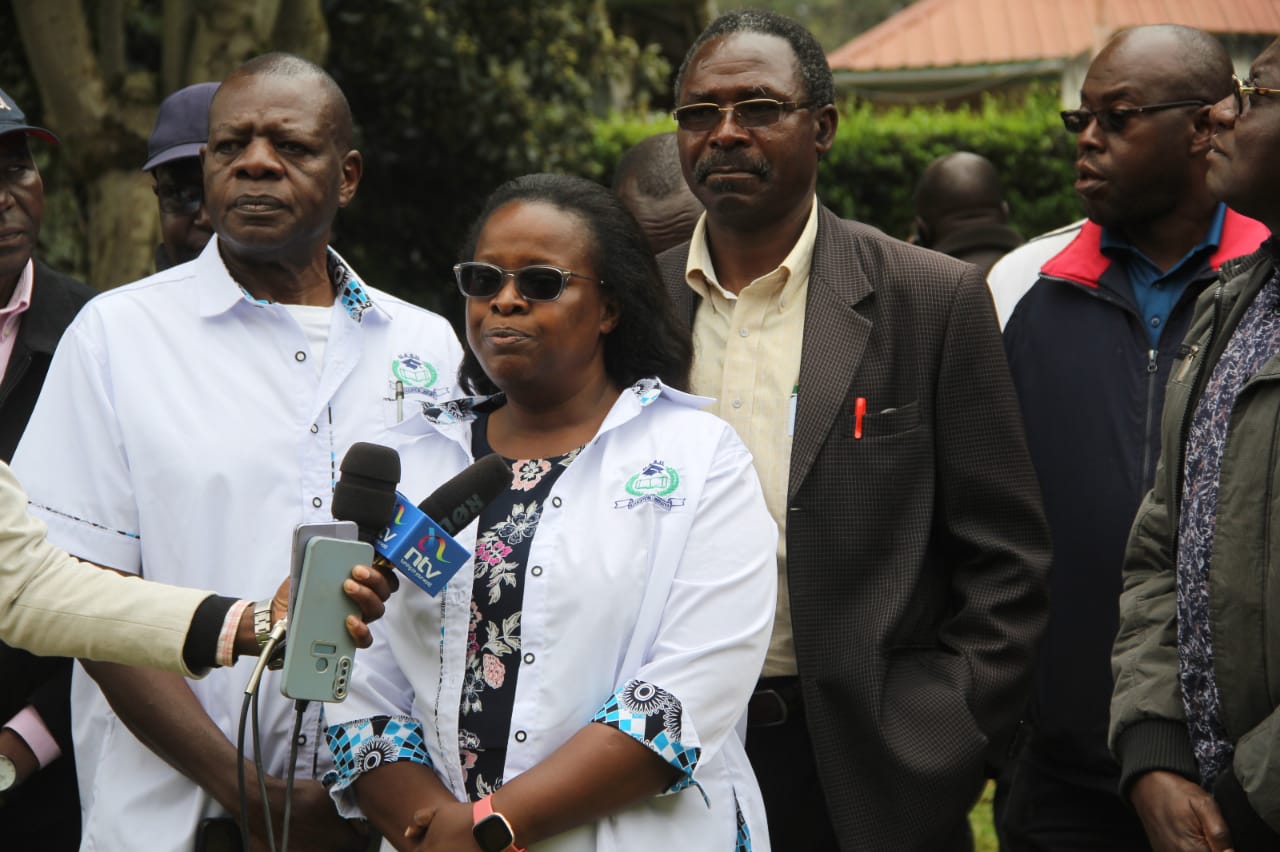
In addition, Siaya County Woman MP Christine Ombaka cautioned that delays in CBA implementation risked derailing academic calendars and demoralising lecturers.
“We are dealing with professionals who deserve respect. The government must treat this matter with the urgency it deserves to safeguard the quality of higher education,” she stated.
Lawmakers present also called for better financial planning by universities to manage salary obligations without relying solely on Treasury disbursements.
The meeting resolved that the National Treasury, Ministry of Education, public universities, and unions will engage within two weeks to develop a final implementation schedule for both the pending and future CBAs.