
President William Ruto has assented to the Finance Bill 2026 and the Appropriation Bill 2026, paving the way for government spending on jobs, livelihoods and key sectors for the next financial year.
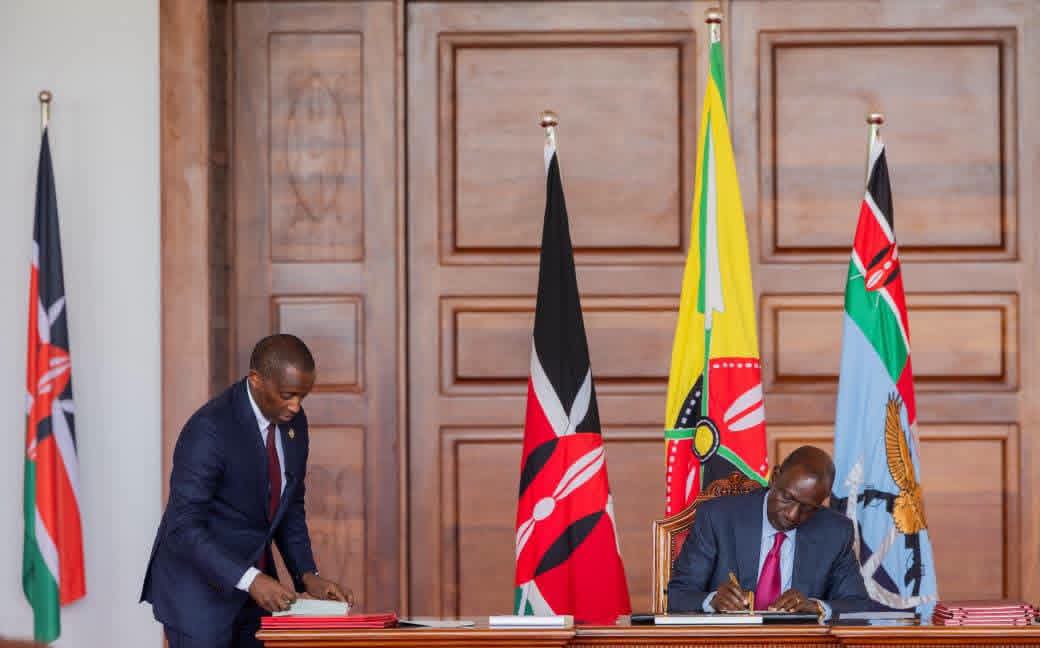
Ruto announced the assent on Facebook on June 23, 2026, saying the laws provide the “legal framework and resources required to finance our transformation priorities.” He also assented to the Supplementary Appropriation Act 2026 at State House Nairobi.
Are there new taxes in Finance Act 2026?
Addressing public concern, the President insisted the Finance Act 2026 does not introduce new taxes. Instead, he said it focuses on “fairness by strengthening compliance, closing loopholes and ensuring that every individual and business pays what is lawfully due.”
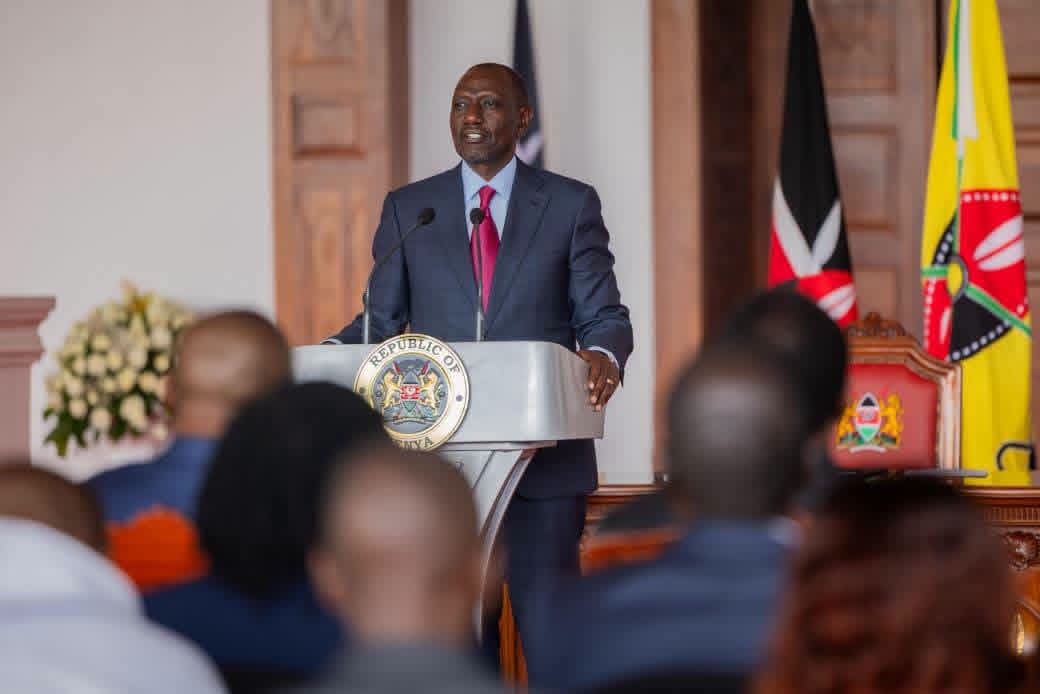
“We are pursuing tax avoidance, not taxpayers; offshore schemes, not ordinary wages; and leakages, not livelihoods,” Ruto stated.
He moved to counter “misinformation,” listing taxes that will not be introduced: no tax on freehold land, no tax on mitumba, no changes to rental income tax, no tax on bottled water, no new tax on M-PESA or mobile money transactions, no new tax on mobile airtime or data, and no new tax on locally manufactured packaging for essential products.
2026 Kenyan budget priorities: Education, health, agriculture
Ruto said the 2026 budget prioritizes “people, productivity and prosperity.”
Education received the highest allocation at KSh 784 billion, up from KSh 526 billion in 2022. Health funding increased from KSh 132 billion to KSh 175 billion, while agriculture rose from KSh 44 billion to KSh 63 billion.
To cushion Kenyans against volatile fuel prices, the government has set aside KSh 21.5 billion for fuel stabilization, among other interventions.
The Finance Bill and Appropriation Bill form the legal basis for the government to collect revenue and spend it in the 2026/2027 financial year.