
The Senate Standing Committee on Finance and Budget and the Council of Governors (CoG) have reached a landmark consensus to lobby for a significant increase in the county equitable share of revenue for the 2026/27 Financial Year.
Moving away from the National Assembly’s proposed Ksh 420 billion, the two entities have found a close convergence, a move aimed at safeguarding the core tenets of devolution.
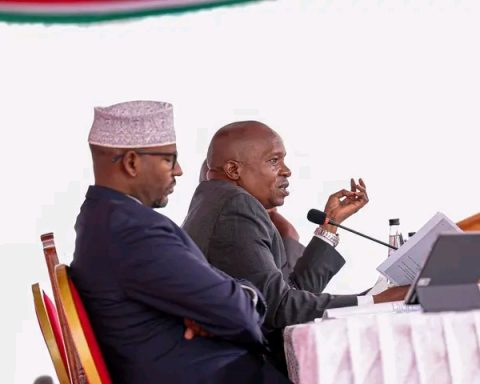
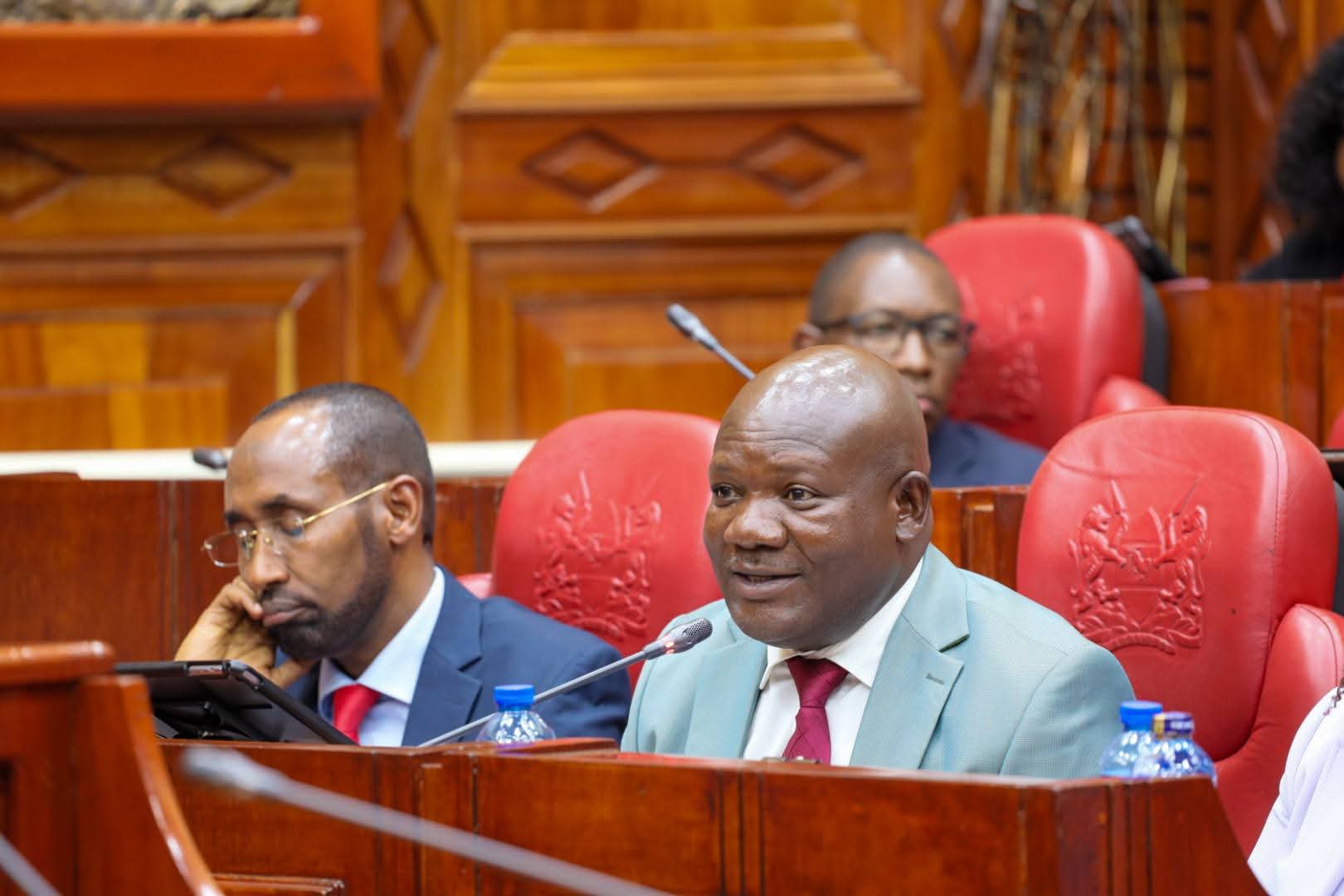
During a high-stakes consultative meeting involving the Senate, Council of Governors, and Commission on Revenue Allocation (CRA), the Senator Ali Roba-led Committee pressed the county bosses to provide a concrete roadmap for settling the multi-billion shilling pending bills currently choking devolved units.
Senators maintained that any budgetary enhancement must be tied to a firm commitment to ease the financial pressure on contractors and Small and Medium Enterprises (SMEs), which have long been the thorn in the flesh of county economies.
“Whatever additional increase that you’re going to get over Kshs 415 billion, we need commitment from you that you are going to put that to payment of pending bills so that we are able to ease the pressure by contractors in the country,” Senator Roba pushed.
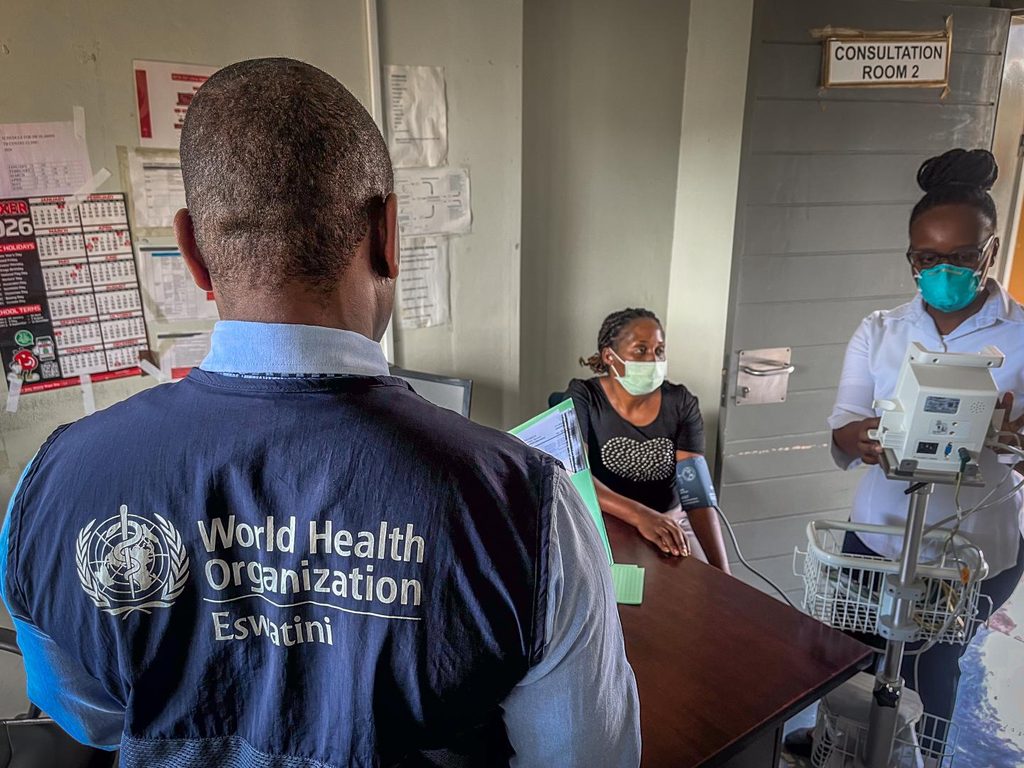
Beyond the figures, Senator Roba clarified the legal framework regarding health funding, asserting that resources for the Universal Health Coverage (UHC) transition must be integrated into the base equitable share to protect county autonomy.
“Any money that comes in division of revenue will not be a conditional allocation to any county. Once it is in DORA, it will be subjected to the formula. And there is no two way around it. It is the law.”
Do counties deserve an increased funding?
The Members of the Committee underscored that increased funding is not merely a fiscal adjustment but a moral obligation to those affected by stalled payments.
“It is your right, constitutionally, for the equitable share. However, the Senate is a house of the representatives of the people,” she said, adding, “We see young Kenyans out there at your doorsteps governors crying because of pending bills. We have to have this conversation of the pending bills.”
This win-win agreement seeks to resolve a national pending bills crisis that has ballooned to Ksh 458 billion nationally, and Ksh 172 billion owed by counties.
CRA’s Chairperson Mary Chebukati backed the push for higher funding, labeling the National Treasury’s initial proposal fundamentally flawed.
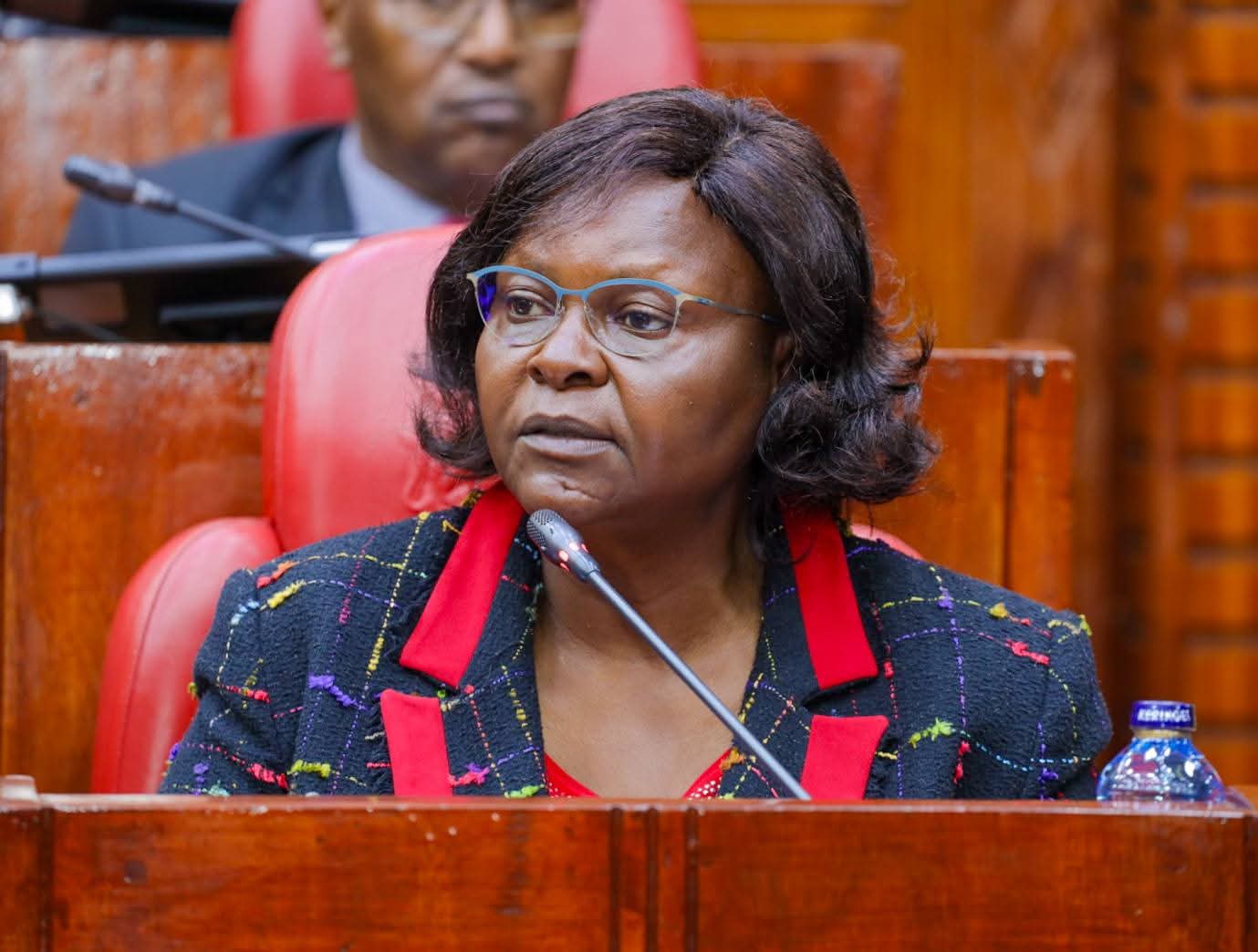
She argued that a mere Ksh 5 billion increase is mathematically insufficient to cover mandatory 5.8% annual salary increments alone.
How much has CRA recommended for counties to get as sharable revenue?
Consequently, the CRA’s chief recommended a revised share of Ksh 458.9 billion, accounting for revenue growth and the Ksh8.94 billion required for UHC workers.
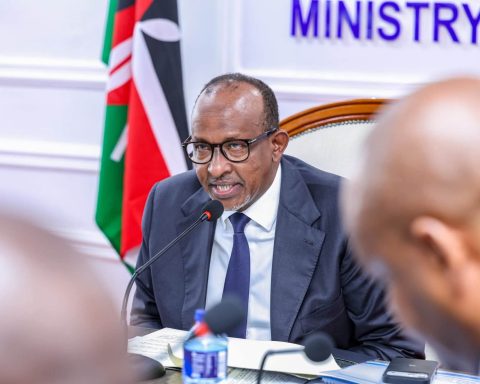
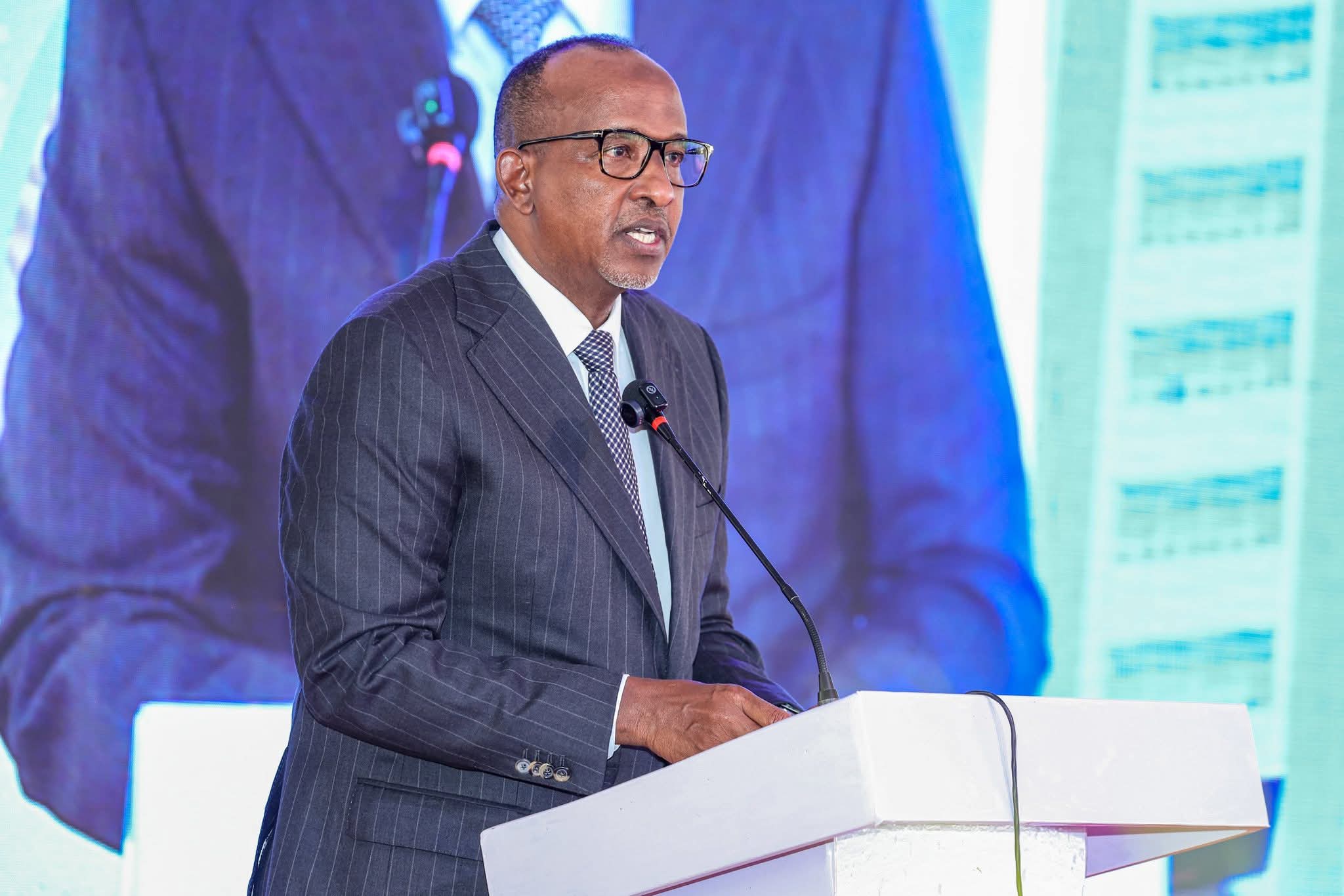
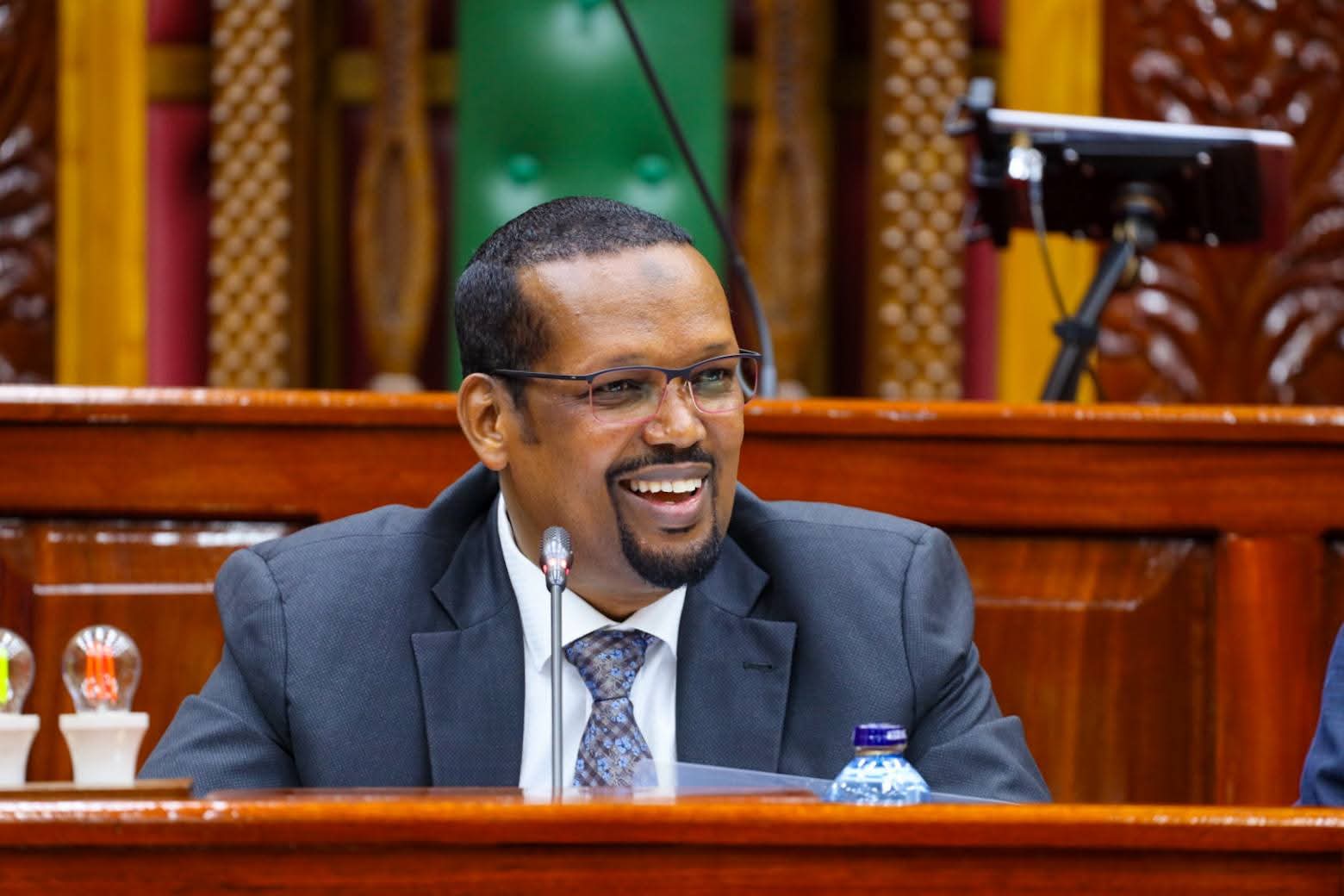
While the Senate gravitated toward the Ksh 450 billion mark, Council of Governors Chairperson Governor Ahmed Abdullahi maintained that the actual cost of devolution requires Ksh 534.96 billion.
This higher figure, he informed Senators, accounts for Ksh10.06 billion in remuneration arrears and Ksh65.97 billion for functions that have been unbundled from the National Government but remain underfunded at the county level, specifically in the agriculture, health, and water sectors.
A central pillar of the consensus involves the total absorption of UHC staff into the counties’ permanent establishment.
The Members of the Committee resolved that the Ksh 8.94 billion earmarked for these salaries must be unconditional to ensure stability for healthcare workers starting in July 2026.
The CoG’s leadership urged the Senate to lobby the National Treasury to cease treating county allocations as a residue of the national budget.
They insisted that statutory obligations, including the NG-CDF and Affirmative Action Funds, be deducted from the National Government’s share rather than the total shareable revenue pool.
Author
-

 Uasin Gishu News is a leading local news platform dedicated to delivering breaking news, politics, business, development, sports and community stories from Uasin Gishu County. We are committed to informing, educating and connecting our audience through accurate, timely and impactful journalism that highlights the people, events and issues shaping the region. You can reach us by email at uasingishunews.co.ke@gmail.com or on WhatsApp/Call +254106468848.