
The battle over the division of revenue allocation to counties is set to commence in earnest following the National Treasury’s submission of the 2026/2027 Budget Policy Statement (BPS) to the Senate.
The policy statement proposes an allocation of KSh 420 billion to county governments, a figure based on audited revenues of KShs 1.9 trillion from the 2021/2022 financial year.
This proposal, unveiled to the Senate Standing Committee on Finance and Budget, marks a critical juncture in the fiscal relationship between the national and devolved levels of government.
The National Treasury’s recommendation comes amid a national budget estimated at KSh 4.18 trillion. While intended to sustain essential services, the figure has ignited robust debate.
How much has CRA proposed to be allocated to counties?
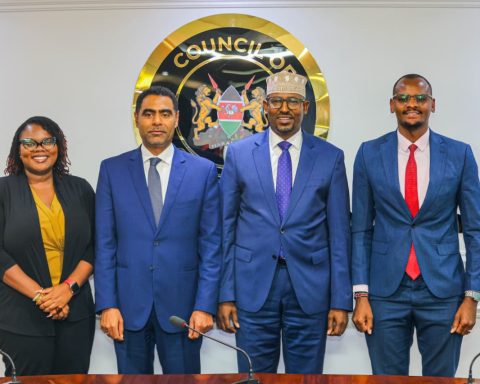
The Council of Governors (CoG) has voiced reservations, noting that the KSh 420 billion falls short of growing financial obligations, a position supported by the Commission on Revenue Allocation (CRA), which recommended KSh 458.94 billion.
This discrepancy highlights the tension between the Treasury’s push for fiscal consolidation, aimed at a deficit of 4.6% of GDP, and the counties’ demand for resources that reflect the actual cost of healthcare, agriculture, and infrastructure.
Central to the 2026 Budget Policy Statement is the alignment of resources with the Bottom-Up Economic Transformation Agenda (BETA).
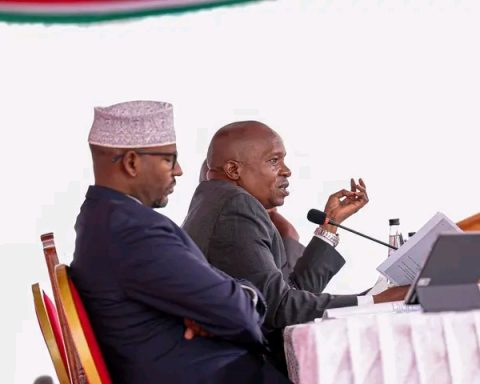
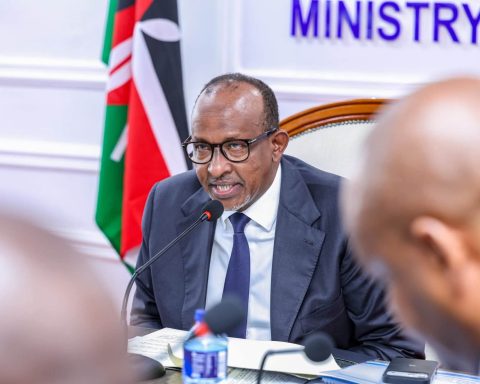
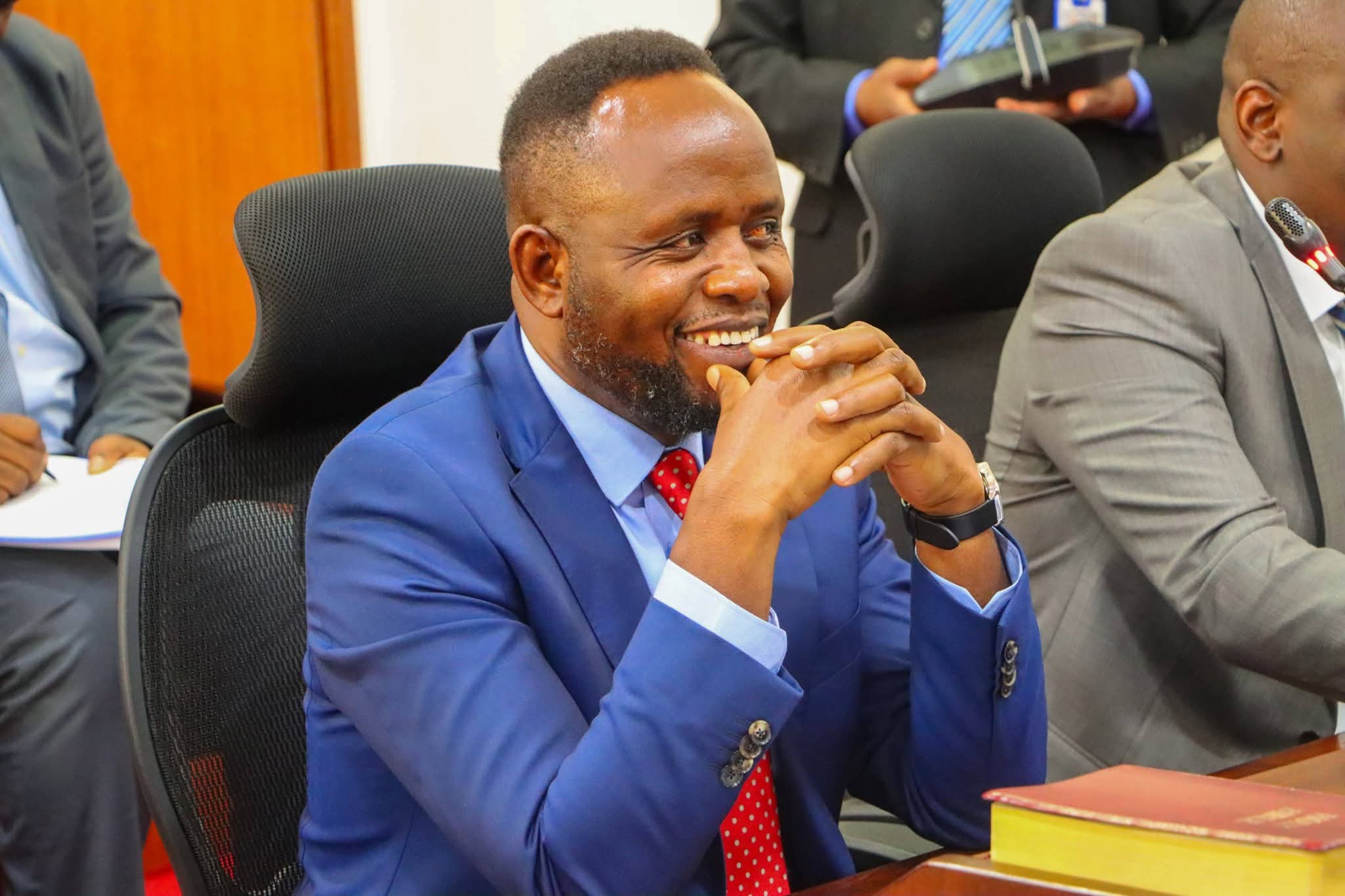
While considering the Budget Policy Statement at Parliament Buildings earlier today, the Senate Finance Committee, led by Mandera Senator (Cpt.) Ali Roba expressed significant concern regarding the nation’s shifting fiscal strategy, specifically the transition from a fixed debt ceiling to a more fluid debt-to-GDP ratio.
While this move aligns with global trends, Senators cautioned that the focus has shifted toward bureaucratic box-ticking rather than actual economic performance.
The Committee warned that this manoeuvre risks stifling domestic growth by absorbing available credit.
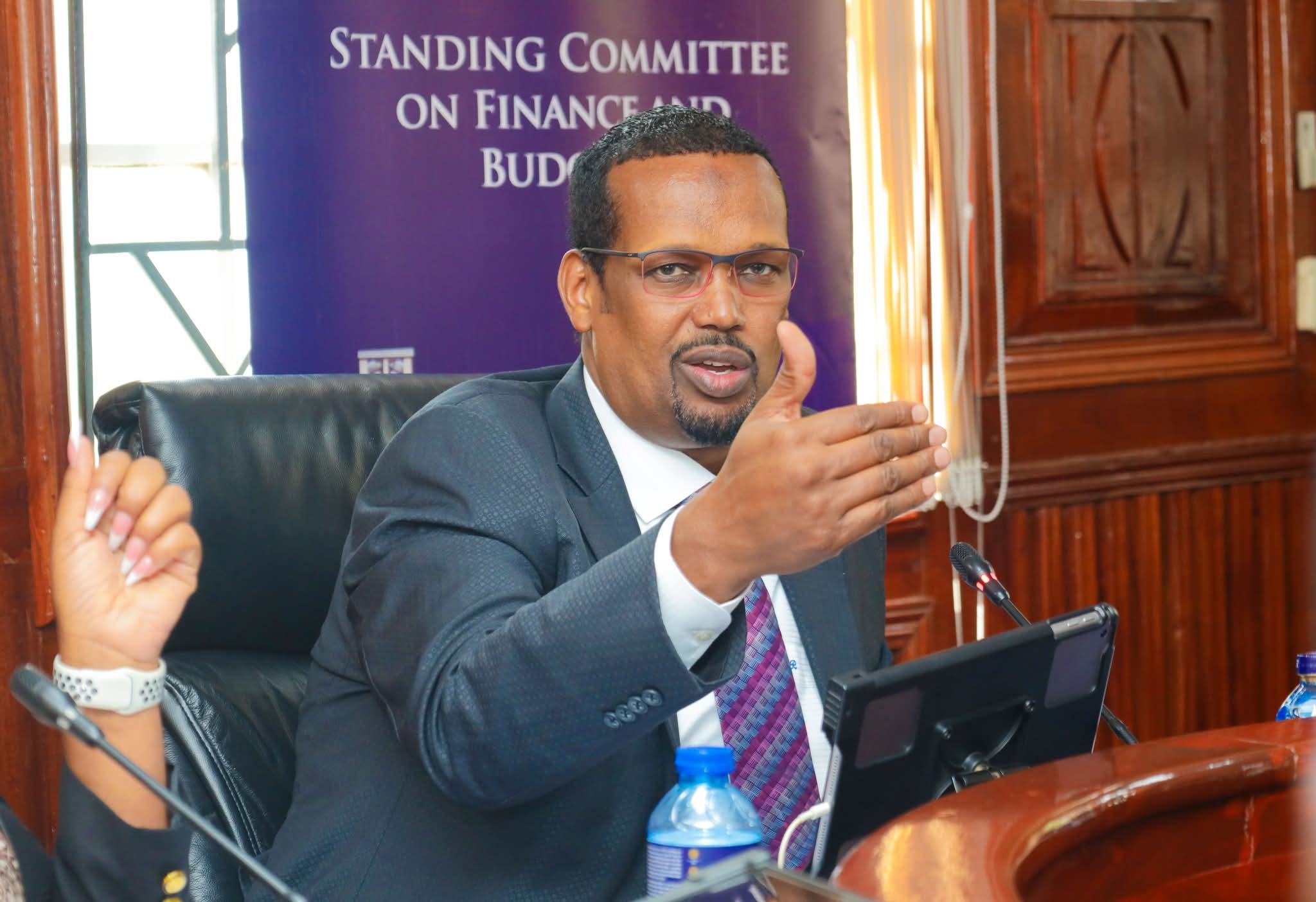
“The legislative manoeuvring risks stifling domestic growth by absorbing available credit. By shifting to the debt-to-GDP ratio, the government risks grounding out local borrowing for the private sector in the country despite public claims of wanting to bolster private investment.
We will make our recommendations based on the reality of what is there right now,” Senator (Cpt.) Ali Roba submitted.
As the Division of Revenue Bill proceeds through Parliament, the focus remains on striking a balance between national debt sustainability and the constitutional mandate to support devolution.
The Senate’s role remains pivotal in ensuring the final fiscal framework prioritizes the welfare of all Kenyans through a fair and sustainable distribution of national wealth.
Author
-

 Uasin Gishu News is a leading local news platform dedicated to delivering breaking news, politics, business, development, sports and community stories from Uasin Gishu County. We are committed to informing, educating and connecting our audience through accurate, timely and impactful journalism that highlights the people, events and issues shaping the region. You can reach us by email at uasingishunews.co.ke@gmail.com or on WhatsApp/Call +254106468848.