
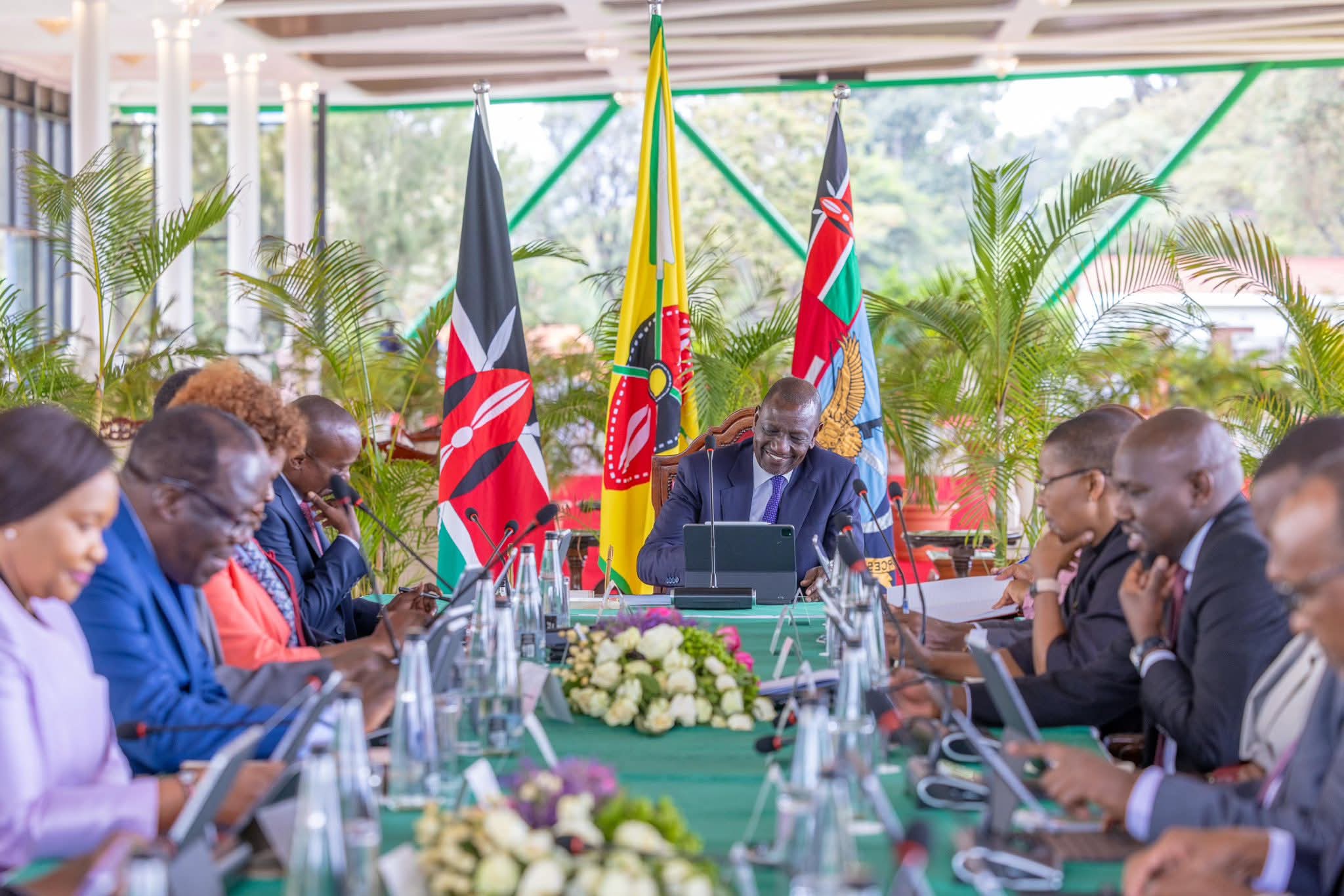
The Cabinet has given a greenlight for the launch of the National Youth Opportunities Towards Advancement (NYOTA) project.
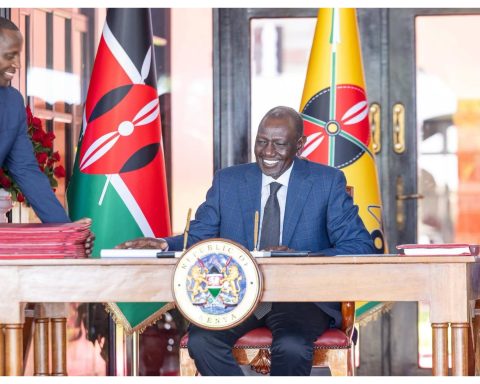
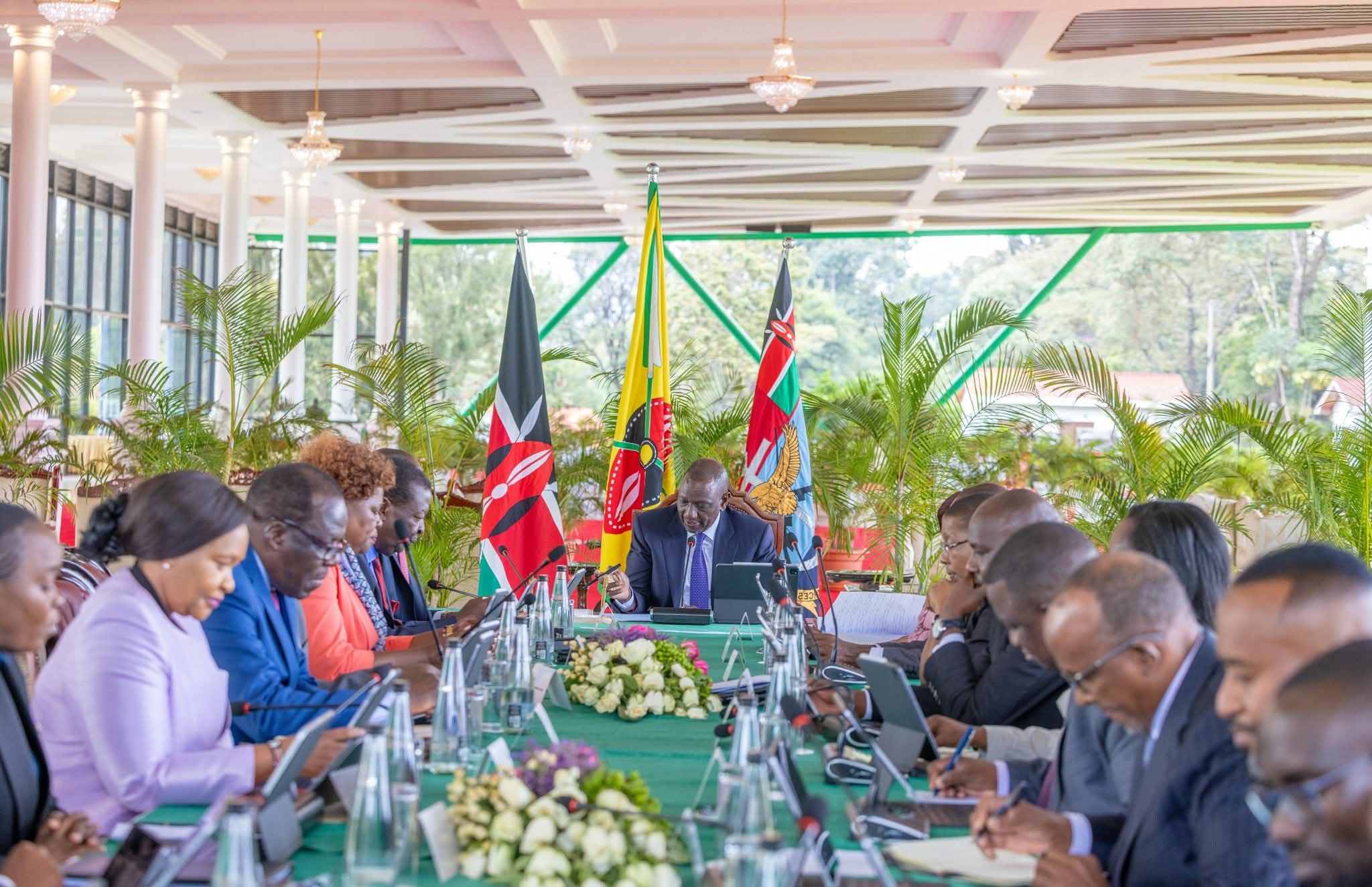
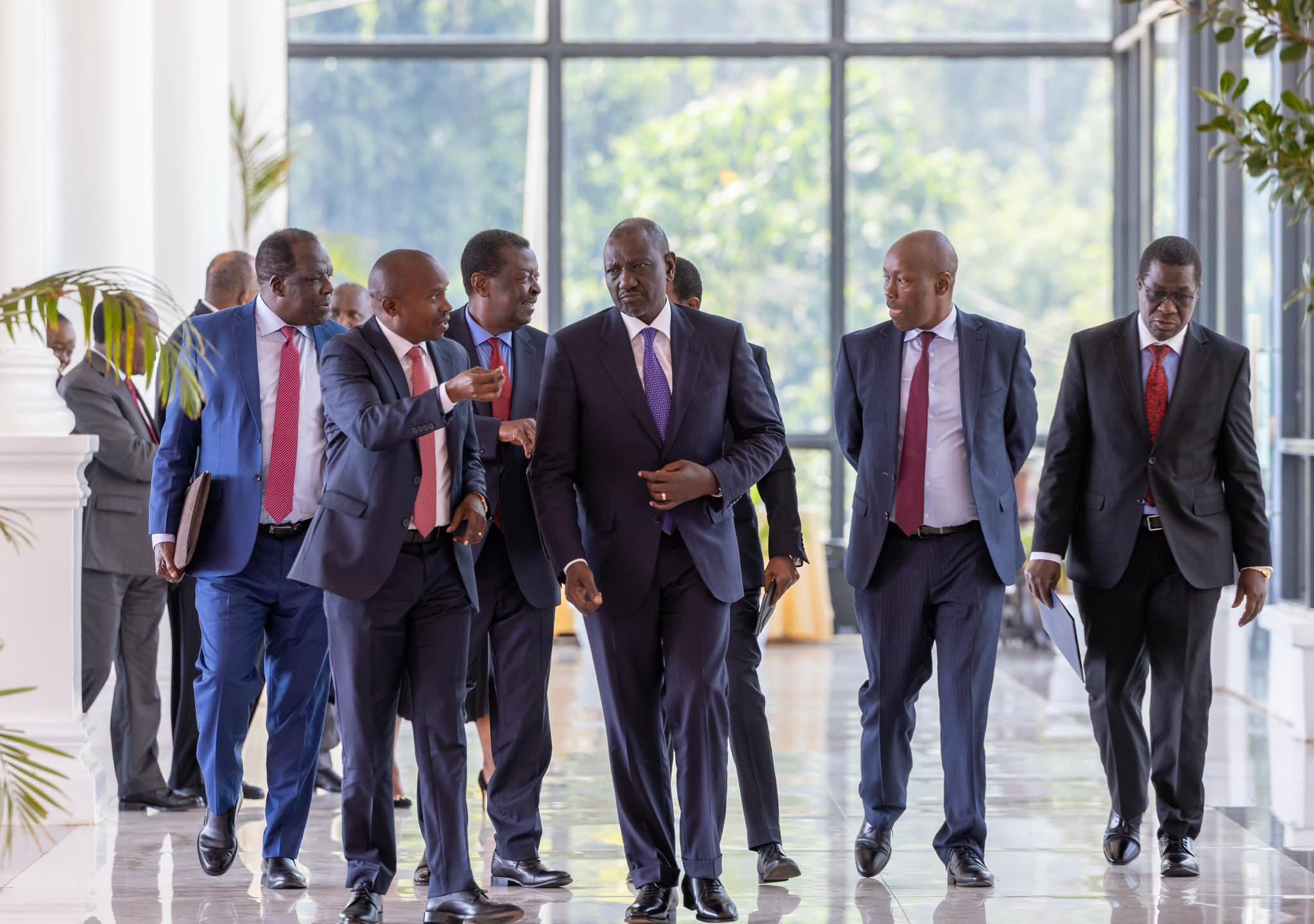
The decision was reached during a meeting chaired by President William Ruto on Tuesday, July 29, 2025.
NYOTA is a flagship government and World Bank initiative targeting over 820,000 vulnerable and unemployed youth, including persons with disabilities.
According to a Cabinet despatch, the program, scheduled for launch in August, is in line with the government’s plan to create employment and opportunities for the youth.
“The programme aims to enhance employability, skills recognition, and access to decent work, and is a key pillar of the Bottom-Up Economic Transformation Agenda,” read part of the despatch.
What are the components of NYOTA?
Structured into four components, NYOTA includes paid on-the-job training, entrepreneurship support, and Recognition of Prior Learning (RPL) certification.
Currently, over one million applications have been received.
The Cabinet further noted that the ongoing call for the On-the-Job Experience programme targets 90,000 youth for three- to six-month paid placements with employers, with monthly stipends of KSh6,000 deposited into Haba Haba savings accounts.
Applications are open from 11th July to 15th August 2025.
How many Kenyans are targeted in Phase III of the Last Mile Connectivity Project?
Meanwhile, the Cabinet has given the nod to the implementation of Phase III of the Last Mile Connectivity Project, targeting 180,500 new electricity connections for households, schools, health centres, and MSMEs, while strengthening Kenya’s distribution grid.
The project addresses key challenges, including high connection costs, underutilised transformers, and weak infrastructure in remote areas.
Implemented in partnership with the African Development Bank (AfDB) and the Canada-AfDB Climate Fund, the programme will give priority to counties with low electricity access and no prior support from similar initiatives.
It will also optimise use of idle transformers and reinforce strained substations to improve reliability.
“The project is expected to deliver broad socio-economic benefits, including access to clean and affordable power for marginalised communities, round-the-clock health services, enhanced learning through digital tools, and support for over 10,500 MSMEs through three-phase power connections,” the Cabinet despatch noted.
Olkaria VII Geothermal Power Project approved
Energy security was further boosted by the approval of the Olkaria VII Geothermal Power Project, a strategic initiative that will inject 80.3MW of clean, reliable baseload electricity into the national grid by June 2027.
The project will tap 19 production wells, with plans for seven more over its 25-year operational life, and will ensure sustainability through the reinjection of geothermal fluids.
Olkaria VII is designed to meet Kenya’s rising energy demands driven by population growth, industrial expansion in Special Economic Zones, and the rapid uptake of electric vehicles.
With annual power demand projected to grow by 100MW, and EV energy needs expected to reach 334MW by 2032, the plant will play a critical role in supporting this shift. Kenya’s industrial strategy will also require over 1,000MW in new capacity by 2032.
The project, to be undertaken in partnership with the Government of Japan and the European Investment Bank, will help reduce reliance on costly and polluting fossil fuels, while reinforcing Kenya’s position as a regional leader in renewable energy.