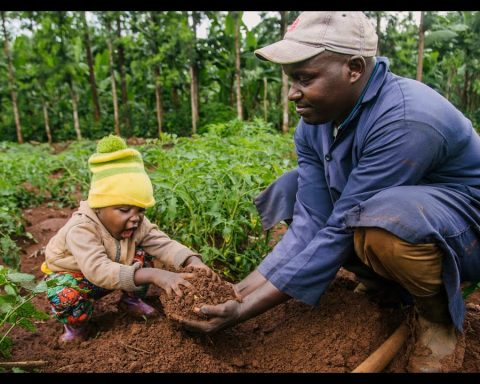

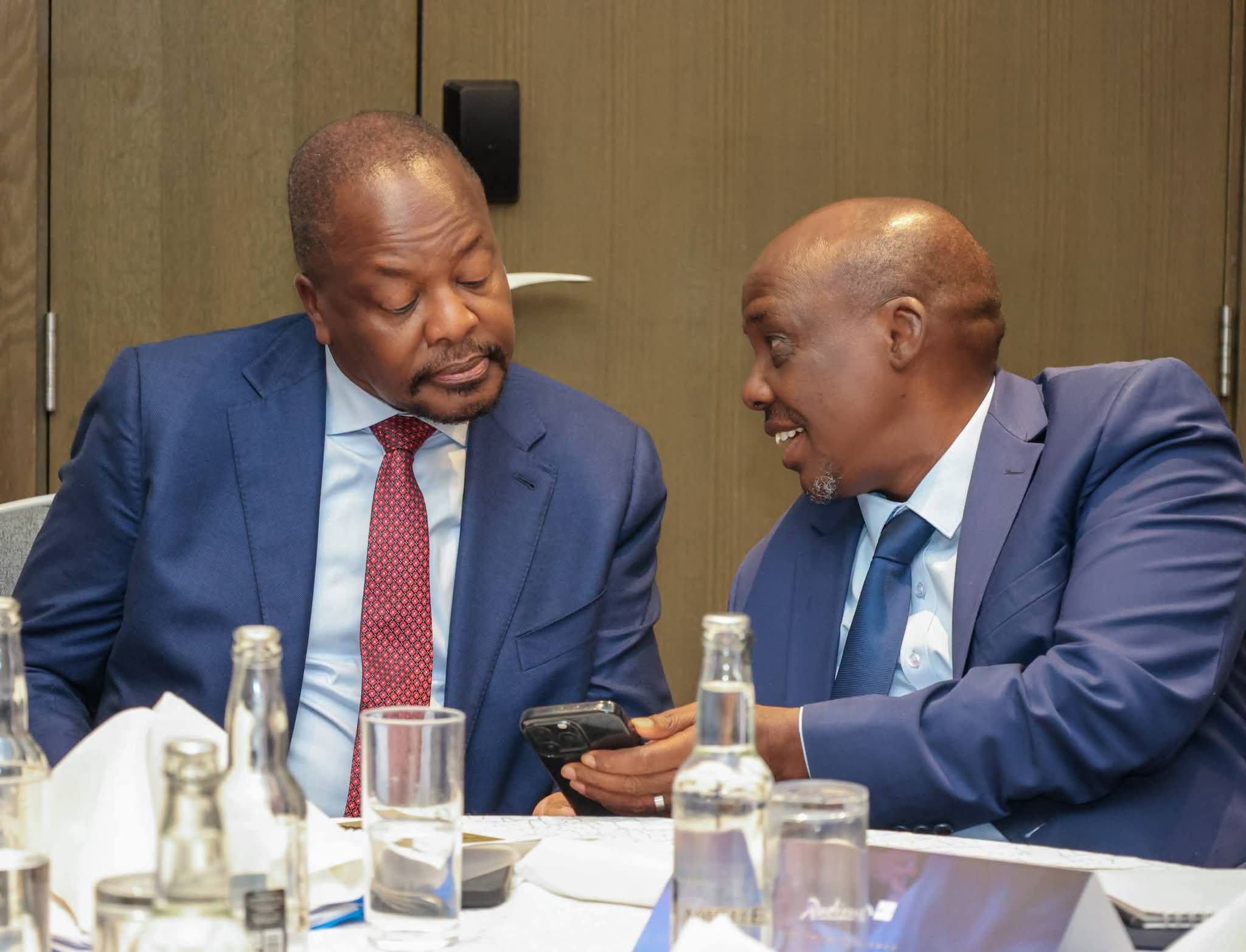
The Government has announced a major relief package for farmers, cutting fertiliser prices and halving maize seed costs to cushion them from the effects of drought and sustain food production.
In a press statement issued by Agriculture Cabinet Secretary Sen. Mutahi Kagwe, the Ministry of Agriculture and Livestock Development said a 50kg bag of subsidised fertiliser will now retail at KSh 2,000, down from KSh 2,500, while the Government will meet half the cost of certified maize seed. This move reduces the price of maize seed from KSh 300 to KSh 150 per kilogram, effectively halving the cost for farmers.
Under the new subsidy, a 2kg pack of maize seed will cost KSh 300 instead of KSh 600, a 10kg pack KSh 1,500 instead of KSh 3,000, and a 25kg pack KSh 3,750 instead of KSh 7,500. The maize seed intervention targets about 40 million kilograms, translating to an estimated KSh 6 billion in government support.
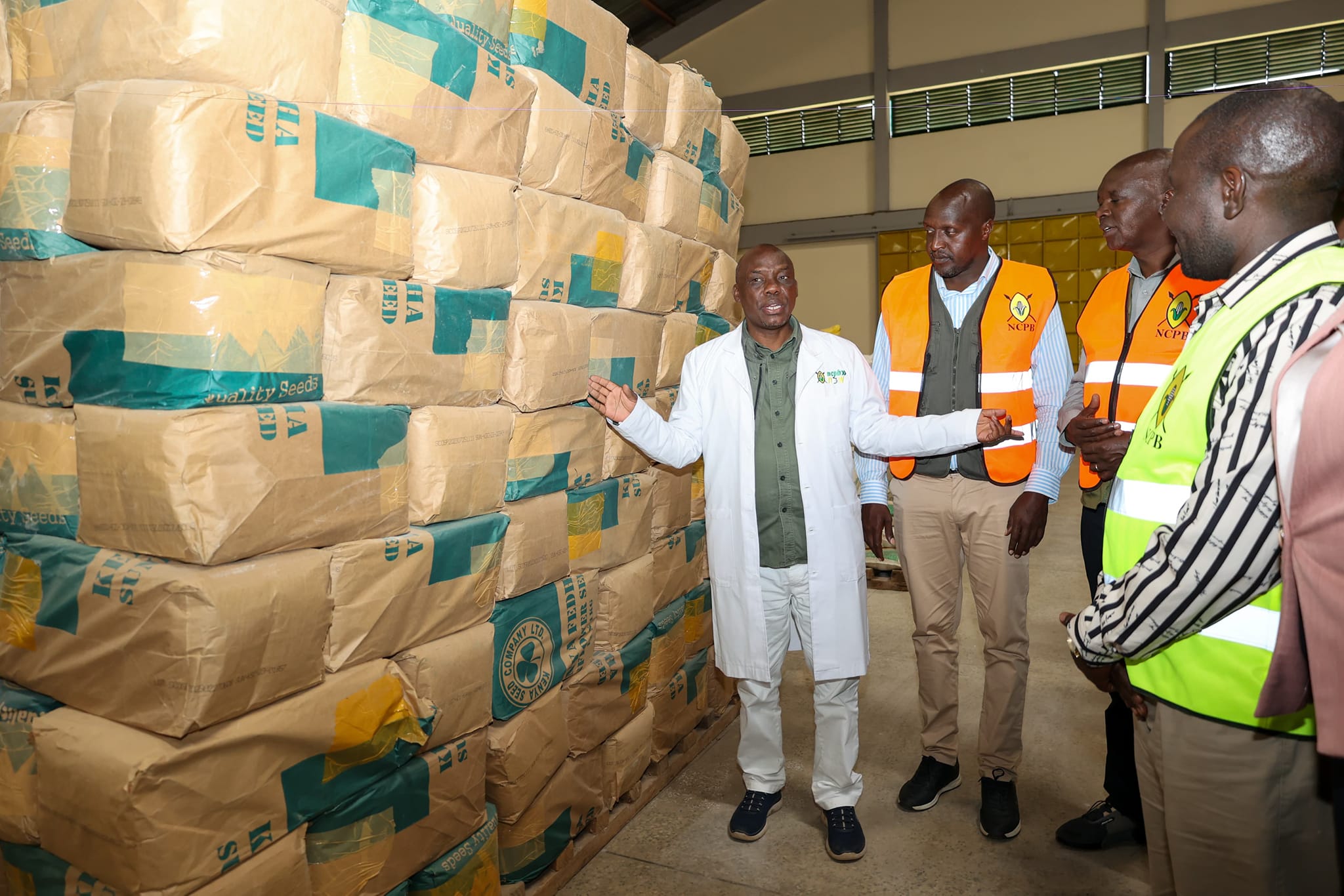
Farmers will access the subsidised inputs through government-designated distribution channels. The Cabinet Secretary said the measures are part of President William Ruto’s administration’s shift from subsidising consumption to subsidising production by lowering input costs and strengthening national food security.
How Ruto’s govt has slashed fertiliser prices
“In 2022, a 50kg bag of fertiliser retailed at approximately KSh 7,500. The National Fertiliser Subsidy Programme brought this down to KSh 2,500, and the Government is now reducing it further to KSh 2,000 — a reduction of more than 73 per cent,” the statement seen by Uasin Gishu News on Monday, August 24, 2026, read.
Since 2022, the Government has distributed 33.55 million bags of subsidised fertiliser to 1.98 million farmers, amounting to KSh 78.79 billion in support. During the same period, maize production rose from 34.3 million 90kg bags in 2022 to 73 million bags in 2025, while maize imports declined by 66.5 per cent.

At the heart of the intervention, the ministry said, is the principle that “a farmer who has lost a crop to drought must not also lose the ability to plant the next crop because fertiliser and seed are beyond reach.”
The Government also pledged continued investment in irrigation, water harvesting, and other climate-smart interventions to help farmers recover from drought and build resilience against changing weather patterns.