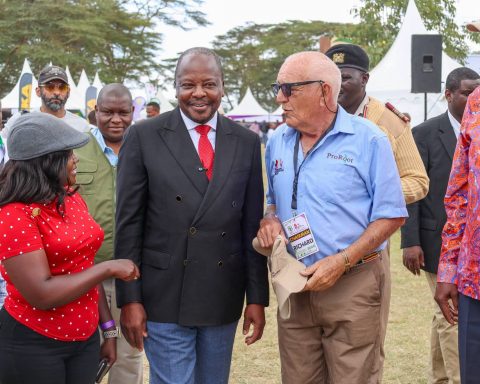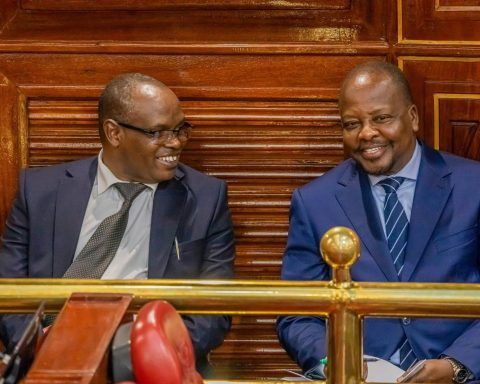

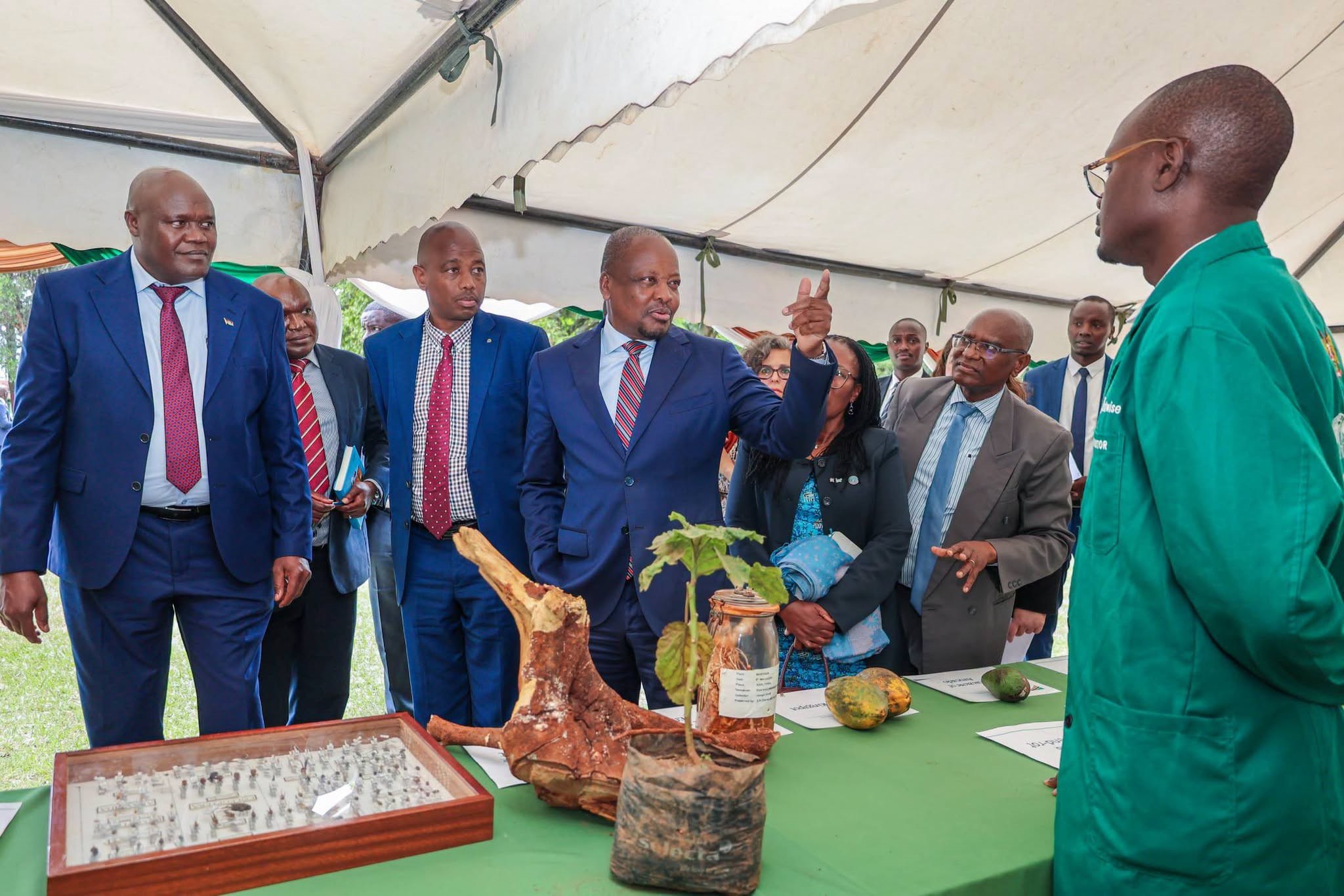
Kenya’s Agriculture Cabinet Secretary Mutahi Kagwe has launched a national soil health drive dubbed Soilfer, aimed at changing how Kenyan farmers choose fertiliser, warning that even a subsidised bag is a wasted investment if it does not meet the needs of the soil.
CS Kagwe launched the National Soil Partnership, the National Soil Laboratory Network and the national rollout of the Global Soil Doctors Programme. He also handed over the refurbished KALRO Soil Chemistry Laboratories worth Ksh 220 million.
“A bag of the wrong fertiliser, delivered on time, at half the price, to the wrong soil, is still the wrong fertiliser. Subsidy without a soil test is sympathy. It is not strategy,” CS Kagwe said.
Importance of soil testing for a farmer
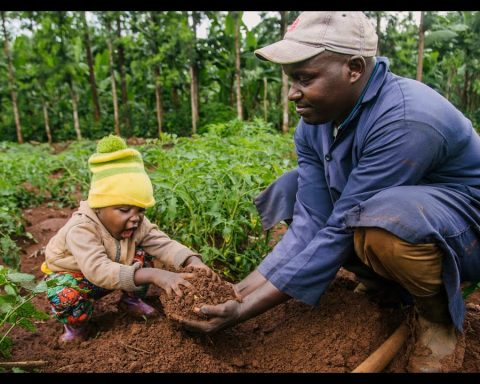
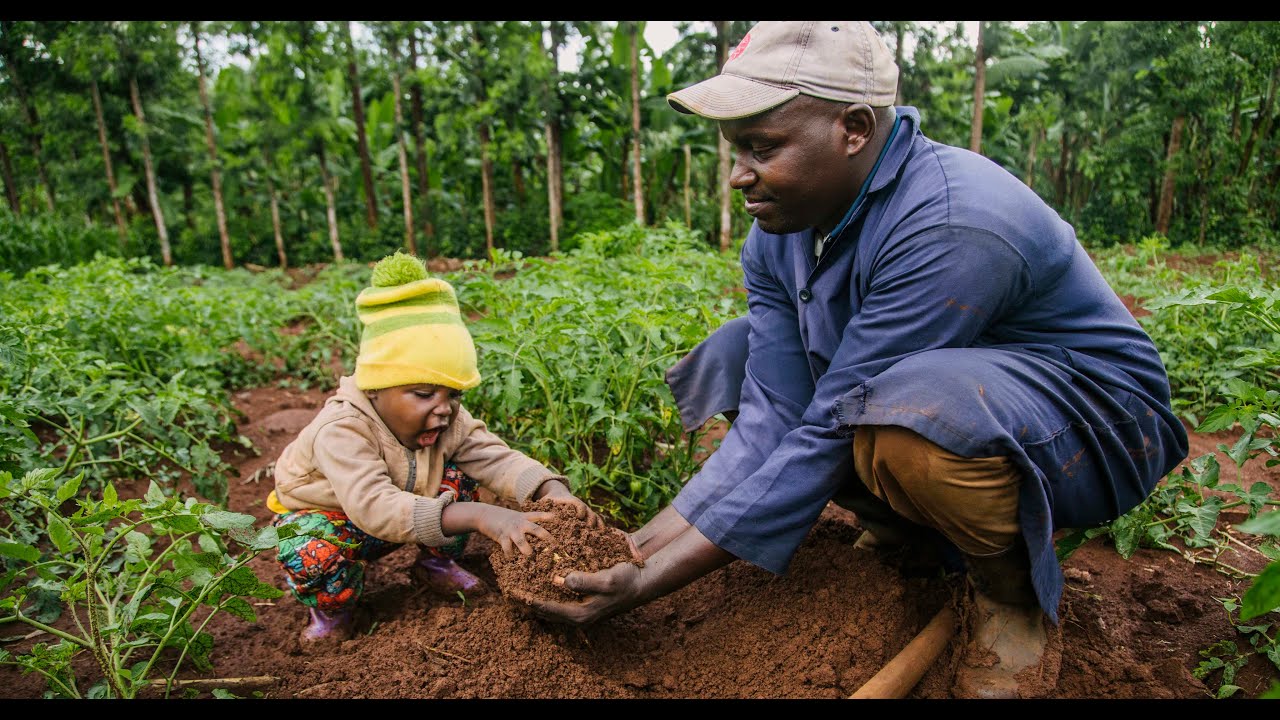
During the event, the CS told the gathering that he had once farmed by habit, buying the fertiliser commonly used in his area. A soil test later showed that he had been adding nutrients his land already had while failing to supply those it lacked.
“I was not farming. I was gambling, and I was farming blind,” he said.

Drawing on his previous experience as Health Cabinet Secretary, CS Kagwe compared a soil test to a medical diagnosis. No competent doctor prescribes treatment before examining a patient, he said, yet farmers have long applied the same fertiliser to soils with very different conditions.
Additionally, CS Kagwe said roughly 63% of Kenya’s arable land is acidic, and nearly seven million acres are strongly acidic. In those areas, he warned, applying fertiliser without first addressing soil acidity can leave farmers spending money without getting the yields they expect.
How many registered farmers are in Kenya?
“More than 8 million Kenyan farmers are registered on KIAMIS, while over 180,000 bags of subsidised fertiliser were moved daily through National Cereals and Produce Board (NCPB) stores and registered outlets at the height of a planting season,” CS Kagwe said.
The next step, he added, is to make those inputs more precise. He directed KALRO to continue analysing about 77,000 soil samples across 45 counties and to publish county-level soil fertility maps for public use.
The Ministry and KALRO will also work towards linking soil test results to KIAMIS so that, over time, a farmer’s subsidy support can reflect what their soil needs, while the refurbished laboratory at Kabete is expected to shorten the time taken to deliver results.
“A soil result that arrives after the rains have come is a historical document, not a farming decision,” CS Kagwe said.
The National Soil Partnership will bring together the national government, counties, KALRO, universities and the private sector to coordinate soil work and share information, while the National Soil Laboratory Network will establish common testing standards. The Global Soil Doctors Programme will equip farmers to understand their soils and share that knowledge with their neighbours.
Where can farmers use lime?
Meanwhile, CS Kagwe urged county governments to co-finance soil testing services and bring them closer to farmers. He also called for greater use of lime where soils are acidic and for farmers to restore organic matter to their land.
He warned that the crackdown on counterfeit, expired and substandard farm inputs would continue, saying accurate soil advice is of little use if a product’s contents do not match its label.

Addressing farmers directly, CS Kagwe urged them to test their soil before planting, buy the inputs their land needs and care for it as an asset to pass on to the next generation.
“For a hundred years we have asked our soils what they can give us. Today we begin, at last, to ask them what they need,” CS Kagwe said.
CS Kagwe further appealed to the Public Service Commission to allow KALRO to recruit more researchers, saying the institution needs the expertise to make full use of 170 pieces of research equipment expected to arrive.
“We cannot invest in equipment and then lack the people to put it to work.KALRO needs sufficient researchers to turn that investment into practical solutions for our farmers,” CS Kagwe said.