
By Lifecare Hospital
Breast cancer is one of the most frequently diagnosed cancers among women in Kenya.
Despite its prevalence, there is still a significant amount of misinformation circulating, which can cause unnecessary fear and even delay life-saving treatment.
Let’s look at some of the most common myths and the medical facts that debunk them.
Myth 1: “Only women with a family history get breast cancer.”
The Fact: While a family history does increase your risk, the vast majority of people diagnosed with breast cancer have no known family history of the disease. This is why regular screening is essential for all women, regardless of their family background.
Myth 2: “If I don’t feel a lump, I don’t have breast cancer.”
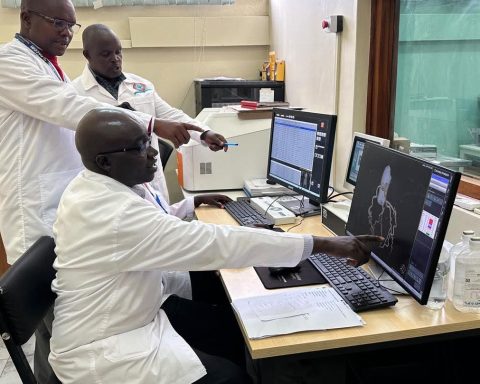
The Fact: A lump is a common sign, but not every breast cancer causes one. Other symptoms include changes in the skin, nipple discharge, or a change in breast shape. Furthermore, mammograms can often detect cancer long before a lump can be felt.
Do antiperspirants and bras cause breast cancer?
Myth 3: “Antiperspirants and bras cause breast cancer.”
The Fact: There is no scientific evidence to support the claim that using antiperspirants or wearing underwire bras causes breast cancer. These are persistent myths that have been debunked by numerous medical studies.
Myth 4: “Mammograms are painful and dangerous due to radiation.”
The Fact: While a mammogram involves some compression of the breast tissue, it is a quick procedure, and any discomfort is brief. The amount of radiation used is extremely low and is considered safe. The benefit of early detection far outweighs the minimal risk.
Myth 5: “A breast cancer diagnosis is an automatic death sentence.”
The Fact: With modern advances in treatment and earlier detection, the survival rates for breast cancer have significantly improved.
By empowering yourself with facts and ignoring the myths, you can take a proactive approach to your breast health. From regular self-exams to professional mammographies, your commitment to early detection is your strongest defence against breast cancer. Contact us today to schedule your screening.