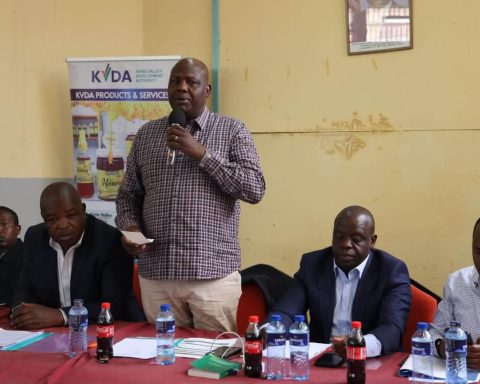


A proposed law before the National Assembly could see the abolition of six regional development authorities, including the Kerio Valley Development Authority (KVDA), in a move the government says will streamline service delivery, reduce pressure on the national budget and eliminate overlap between national and county government functions.
The Regional Development Authorities Laws (Repeal) Bill, 2026, sponsored by Majority Leader Kimani Ichung’wah, was published in the Kenya Gazette on June 5, 2026 and read for the first time in the National Assembly on July 1, 2026.
The bill is currently before the Departmental Committee on Regional Development and is undergoing public participation before being considered by Parliament.
If approved, the legislation will repeal the laws establishing six regional development authorities and transfer their assets, liabilities, contracts and staff to national government institutions.
Which regional authorities are targeted for abolition?
The bill seeks to dissolve:
- Kerio Valley Development Authority (KVDA)
- Lake Basin Development Authority (LBDA)
- Tana and Athi Rivers Development Authority (TARDA)
- Ewaso Ng’iro South River Basin Development Authority
- Ewaso Ng’iro North River Basin Development Authority
- Coast Development Authority (CDA)

According to the proposed law, the authorities have largely fulfilled the mandates for which they were established, making their continued existence unnecessary under the current constitutional framework.
The bill further states that abolishing the agencies would help align development functions with the Fourth Schedule of the Constitution, which clearly outlines the responsibilities of national and county governments.
What will happen to assets and liabilities of dissolved authorities?
Under the proposal, all assets, rights, debts and obligations belonging to the authorities would be transferred to the State Department for the National Treasury on the date the law takes effect.
Existing loans, credit facilities and securities would remain valid and continue to be managed by the Treasury.
Similarly, all contracts and agreements entered into by the authorities would continue to be enforceable, while any ongoing legal proceedings involving the agencies would be taken over by the State Department for the National Treasury.
The bill also stipulates that any references to the authorities in laws or official documents would thereafter be interpreted as references to the State Department for the National Treasury.
Employees working for the affected authorities would not lose their jobs under the proposed transition.
The bill provides that all staff members will become employees of the Public Service Commission on terms and conditions that are no less favourable than those they currently enjoy.
Their years of service will also be preserved for purposes of calculating pension, gratuity and other retirement benefits.
To facilitate the transition, the Cabinet Secretary will be required to issue directives within 30 days of the law taking effect. The directives will guide the transfer of assets, rights and obligations, management of records and databases, and the winding up of the affairs of the dissolved authorities.
The Cabinet Secretary may also issue policy guidelines and other directives necessary to implement the transition.

Benefits of dissolving 6 regional authorities
According to the bill, the proposed reforms are expected to eliminate duplication of functions between national and county governments, improve efficiency and accountability, and enhance service delivery.
The government also argues that abolishing the authorities will help ease pressure on the national budget by reducing administrative costs associated with maintaining the agencies.
The committee has invited members of the public to submit views on the proposed legislation as part of the constitutional requirement for public participation before the bill proceeds through the remaining stages in Parliament.