
The Kenya Dairy Board (KDB) has reported significant growth in Kenya’s dairy sector, with increased milk production, formal milk marketing and processing.
This is even as it raised concerns over budgetary constraints that could undermine regulatory oversight and food safety surveillance.
According to the Board, national milk production increased by about 19 per cent between 2021 and 2025, reaching 5.52 billion litres in 2025.
Formal milk intake also surpassed one billion litres during the year, with the value of formally marketed raw milk standing at Ksh50.3 billion.
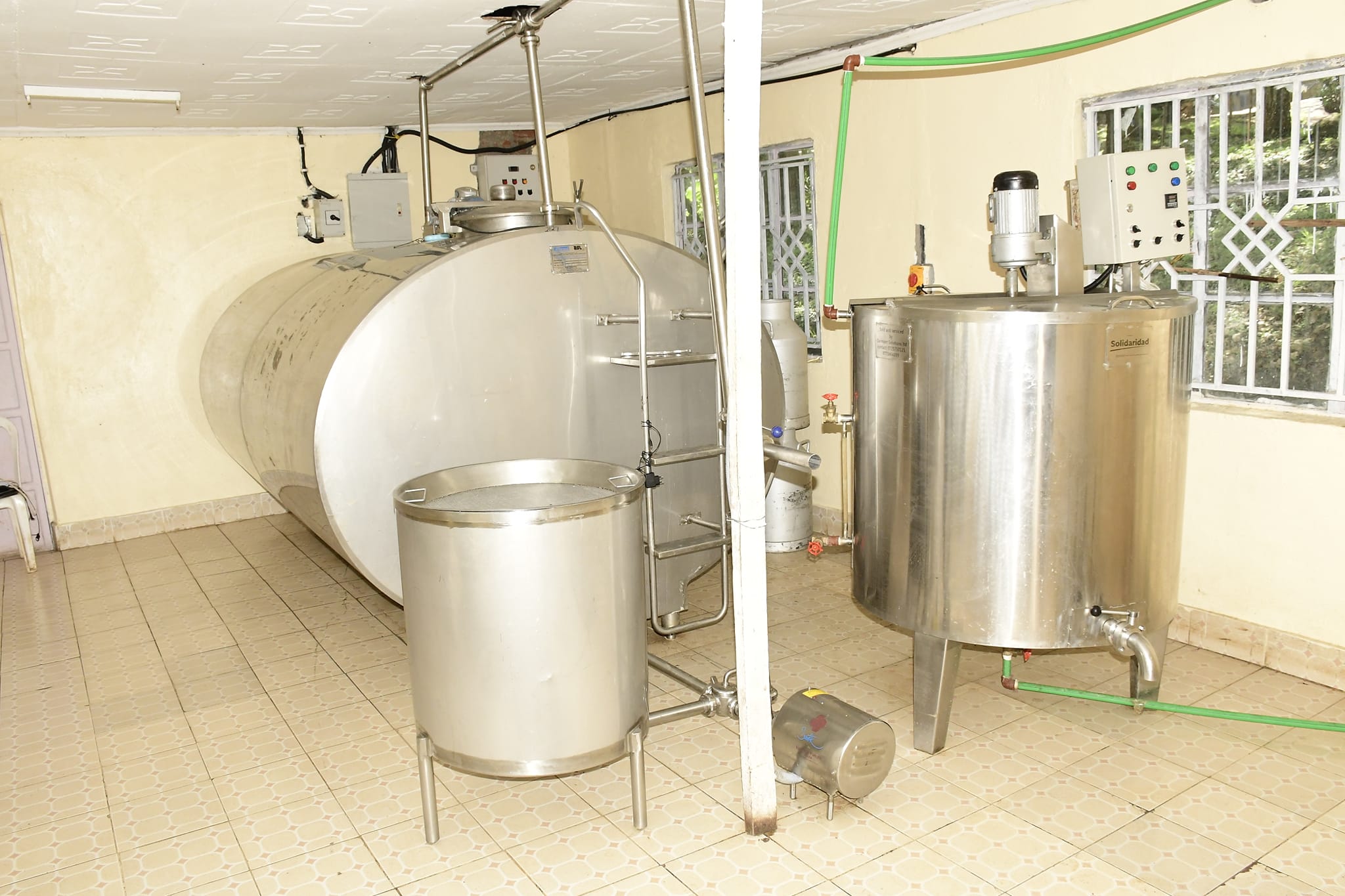
The Board further reported a 22.9 per cent increase in processed dairy output in 2025, with total processed dairy products reaching 967.05 million kilogrammes.
Average gross producer milk prices also improved to Ksh49.74 per litre, representing a 1.57 per cent increase from 2024.
What is contributing to growth in Kenya’s dairy sector?
KDB attributed part of the sector’s progress to increased formalisation, regulatory interventions and market development initiatives.
During the 2025/26 financial year, the Board trained 5,246 stakeholders, exceeding its annual target by 17 per cent, while dairy exports supported through its market development interventions were valued at more than Ksh11 billion.
The Board, however, cautioned that the growing dairy industry is placing increased demands on its regulatory and surveillance functions.
In 2025/26, KDB conducted 16,333 regulatory inspections, representing 119 per cent achievement against its target. It also conducted 61,948 quality and safety tests, achieving 83 per cent of its target. The Board attributed the shortfall in testing to delays in procuring reagents and test kits.
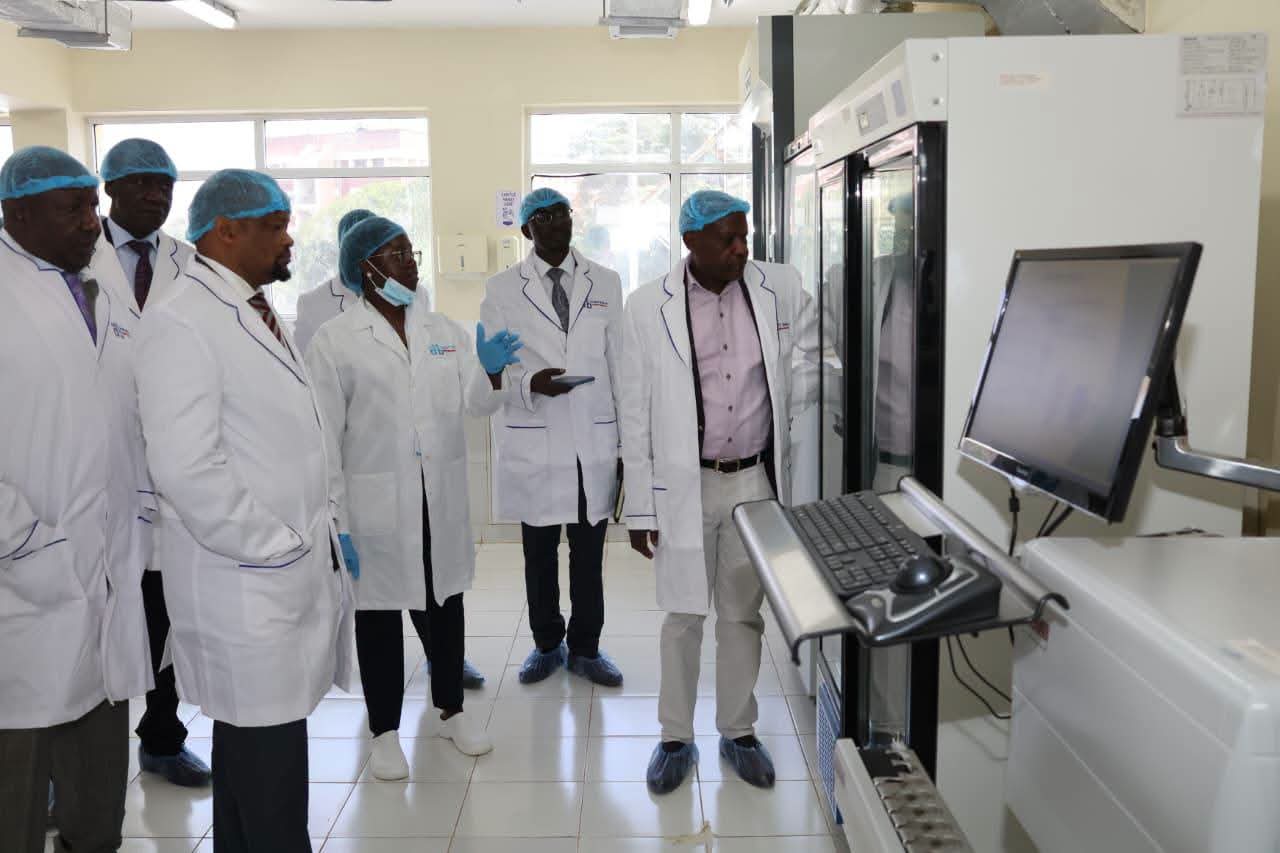
Impact of reduced government funding to Kenya Dairy Board
KDB also highlighted the financial implications of reduced government funding. Its approved budget for the 2026/27 financial year was reduced by Ksh175.15 million, representing a 23 per cent cut from the proposed budget.
Recurrent expenditure was reduced by Ksh160.15 million, while capital expenditure was cut by Ksh15 million.
The Board said the reductions could constrain day-to-day operations, delay planned investments and weaken food safety surveillance, market monitoring, enforcement and nationwide regulatory coverage.
Among the key challenges facing the dairy sector, KDB identified low productivity, climate variability, informal milk marketing, high production and processing costs, limited diversification and value addition, as well as gaps in policy and legislation.
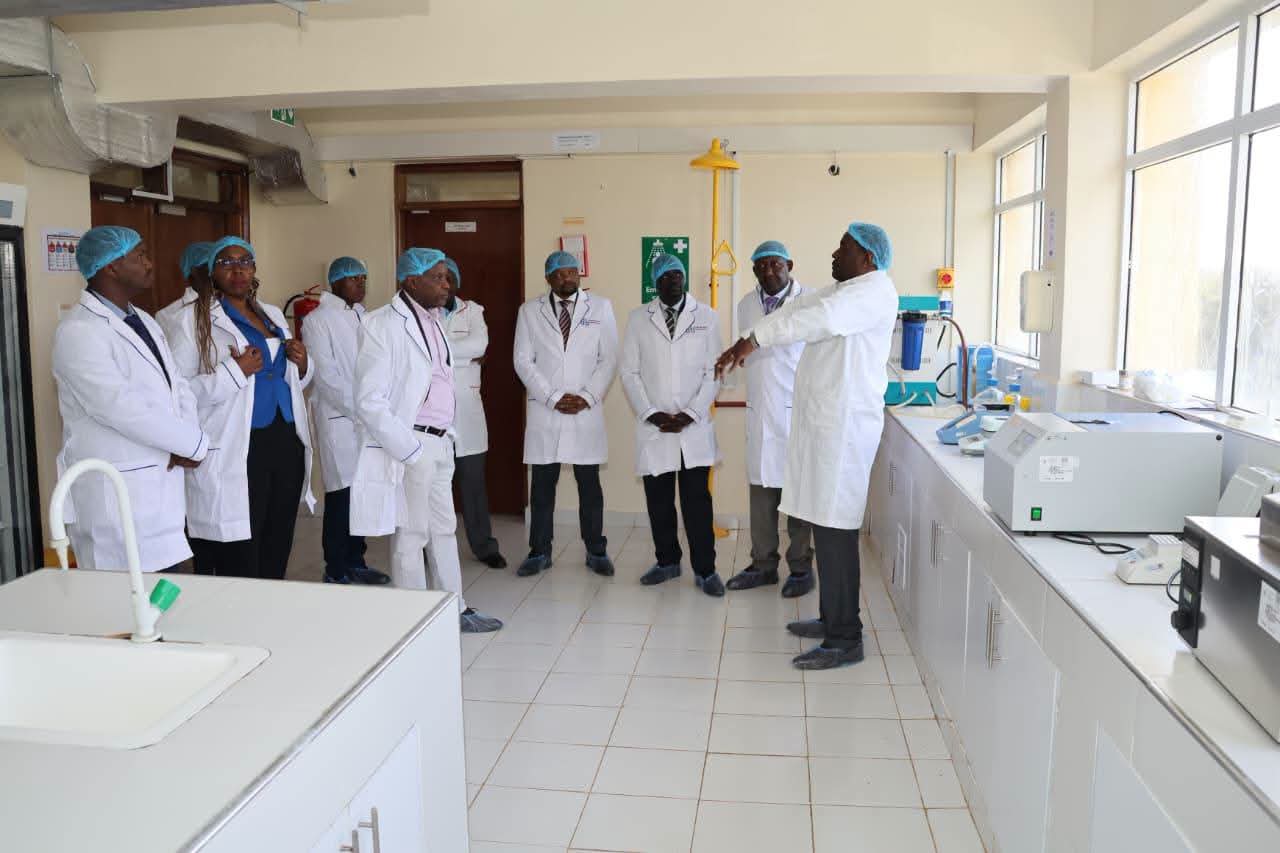
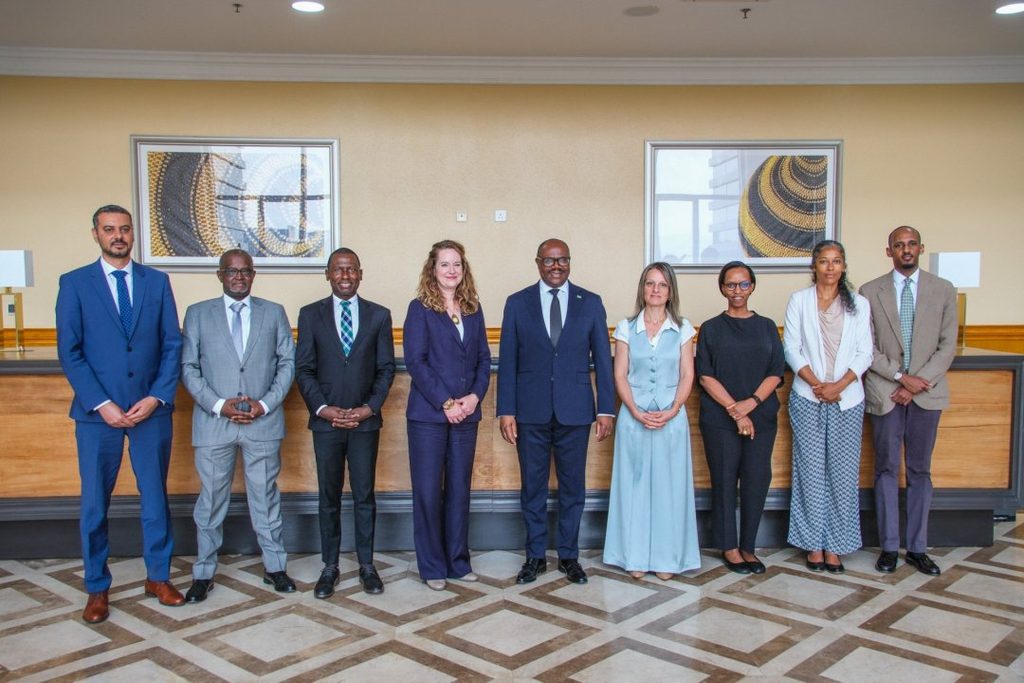
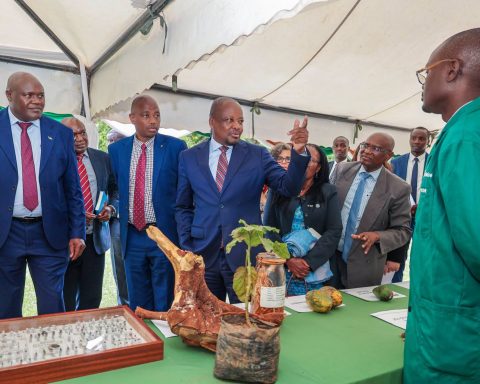
This was revealed to the Agriculture and Livestock Committee, led by its Vice Chairperson, Brighton Yegon, during an oversight visit to the Kenya Dairy Board (KDB).