

The National Assembly’s Departmental Committee on Health probe into alleged malpractice in kidney transplant services at Mediheal Group of Hospitals has taken a new turn with lawmakers putting St. Luke’s Orthopaedic and Trauma Hospital and Oak Tree Hospital on the spot over their roles in transplant procedures.
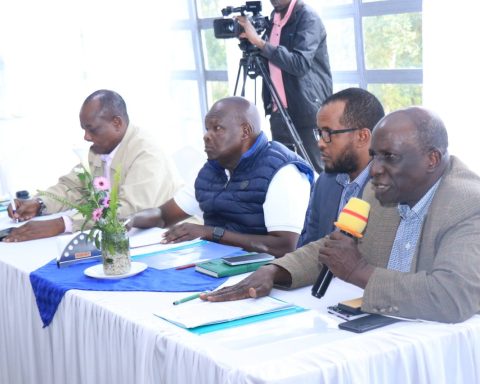
Appearing before the Departmental Committee on Health in Eldoret on Thursday, August 28, 2025, hospital administrators of the two facilities admitted that some of their facilities had performed transplants on foreign nationals, mainly Somalis who were registered and paid through the defunct National Health Insurance Fund (NHIF).
Endebess Member of Parliament Dr. Robert Pukose, one of the committee members, pressed the officials of the St. Luke’s Orthopaedic and Trauma Hospital on whether foreigners had been treated at the facilities.
“Among the patients you’ve done kidney transplants, do we have foreigners?” Pukose asked during a visit to the facility.
The response was affirmative: “Yes. Five patients were from Somalia.” Dr. Silvia Nikita, a medical officer at St. Luke’s Orthopaedic and Trauma Hospital, stated.
Which Eldoret hospital identified kidney donors?
When asked whether they knew the origin of the donors, hospital representatives explained that Oak Tree Medical Centre was responsible for identifying and pairing recipients with donors.
“The role of identification and pairing of potential donors and recipients lies with Oak Tree Centre, for Kidney and Chronic Diseases, with whom we have a memorandum of Understanding (MOU); Most of the cases involved blood relatives,” Dr. Nikita said.
Lawmakers, however, expressed concern that the hospitals appeared unaware of whether donors were genuinely related to recipients or if locals were being disguised as Somalis.
“We are not new to the fact that there has been a lot of talk about kidney selling,” Seme MP Dr. James Nyikal remarked. “We want assurance that what you are doing here follows national guidelines.”
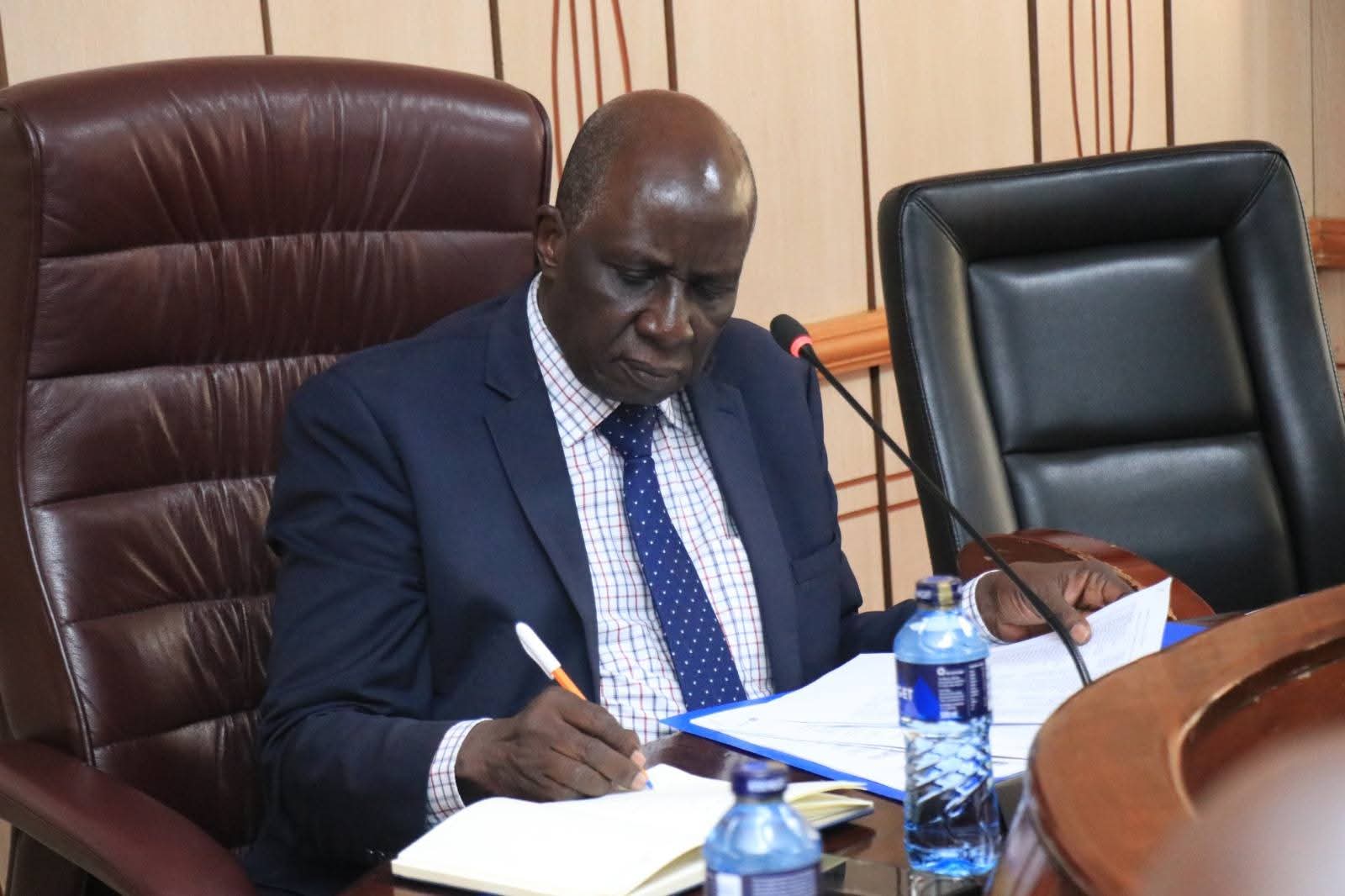
Committee members also demanded details of all transplants conducted, including the nationality, identification, and contact information of both recipients and donors.
How many Kidney transplants did St Luke’s Hospital handle?
Records presented showed that St. Luke’s had handled 34 kidney transplants. Pressed further, the hospitals admitted that complications had occurred in some cases.
“There were one or two instances of rejection after surgery, some bleeding that required patients to return to theatre, and one donor who developed acute kidney injury but recovered after treatment,” said Gabriel Joseph from St. Luke’s.
“We have also received information from Oak Tree about a few patients who passed away after surgery,” he added.
The MPs questioned why St. Luke’s outsourced critical laboratory services to Oak Tree Centre when it had its own functional laboratory.
“I don’t understand why samples for cross-matching are taken to India or South Africa when facilities like Metropolis are available locally,” Ndhiwa MP Martin Owino noted.
The committee also raised queries on consent procedures. “Are patients and donors giving consent here at St. Luke’s, or at Oak Tree? And what is the difference between the two consent processes?” Kisumu Central MP Hon. Joshua Oron asked.
What was Oak Tree Hospital’s role in kidney transplants in Eldoret?
However, Hospital officials explained that most pre-operative tests, consent signing, and nephrology consultations were done at Oak Tree because St. Luke’s lacks a resident nephrologist and dialysis clinic.
Lawmakers sought clarification on why foreigners, including Somalis, were funded by NHIF.
Mary Lelei, a senior hospital administrator, explained that the NHIF Act allowed foreigners with temporary residency to access cover.

“It’s not just Somalis—there was also provision for Chinese nationals who worked on road projects. The Somalis we treated were paid-up members of NHIF,” she said.
Despite acknowledging gaps in follow-up and coordination, hospital officials maintained they had not engaged in malpractice.
They emphasised that transplants were conducted under Kenyan law, guided by the Health Act 2017, the Human Tissues Act, and the Data Protection Act, alongside ethical standards on autonomy, justice, and consent.
Committee members, however, insisted on full disclosure.
“We don’t come here thinking you are doing something wrong,” Nyeri Town MP Hon. Dancun Mathenge told the hospital management.
“But when you withhold information, you raise unnecessary suspicion. Give us accurate records of all transplants, the donors, their nationality, and how consent was obtained.”
The probe resumes Friday, August 29, 2025, with lawmakers set to hear testimonies from victims and donors whose organs were harvested, as well as from the proprietor and chairman of Mediheal Group of Hospitals.