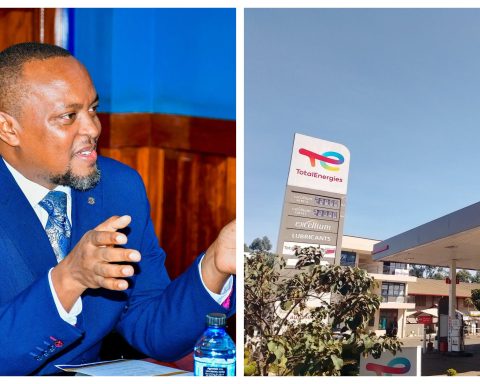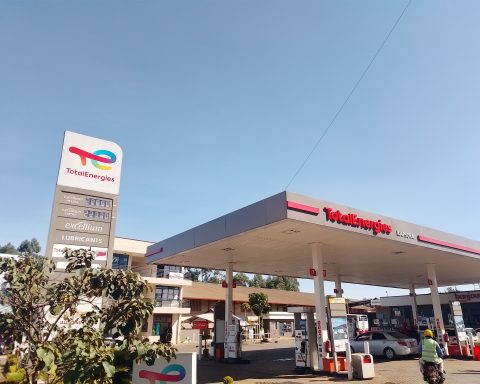


Kenyans across the country have a reason to smile amid economic challenges following a latest review of fuel prices.
In its monthly review of super petrol, diesel and kerosene prices, the Energy and Petroleum Regulatory Authority (EPRA) has announced a significant drop.
Super Petrol prices registered the largest drop.
What is the new fuel price for super petrol?
In a statement issued on Saturday, February 14, 2026, EPRA said petrol prices for the next month will drop by Ksh 4.24 per litre.
Prices of kerosene and diesel have also dropped by Ksh 1 and 3.93, respectively.
“In the period under review, the maximum allowed petroleum pump prices for Super Petrol, Diesel and Kerosene decrease by KShs.4.24/litre, KShs.3.93/litre and KShs.1.00/litre respectively,” EPRA said in part of its statement.
Following the review of the prices, in Nairobi, Super Petrol, Diesel and Kerosene now retail at Ksh 178.28, Ksh 166.54 and Ksh152.78 effective midnight for the next 30 days.

“The prices are inclusive of the 16% Value Added Tax (VAT) in line with the provisions of the Finance Act 2023, the Tax Laws (Amendment) Act 2024 and the revised rates for excise duty adjusted for inflation as per Legal Notice No. 194 of 2020,” it added.
EPRA said the new prices will be in force from 15th February 2026 to 14th March 2026.
Is the government responsible for drop in fuel prices?
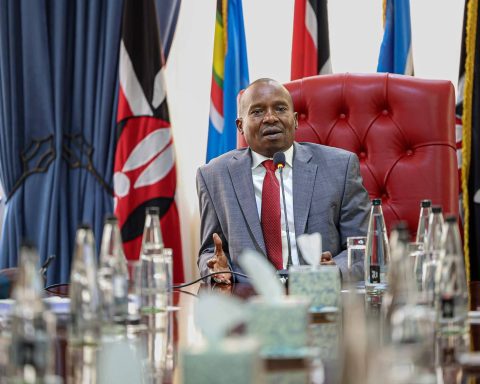
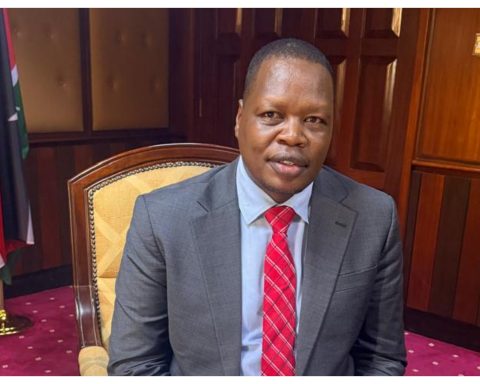
Deputy President Kithure Kindiki has since welcomed the reduction of fuel prices, attributing it to the economic stability the country has witnessed for the last three years.

“Super petrol price down by 4 shillings a litre. The price has dropped gradually from a high of 218 shillings to the current 178 shillings (a net difference of 40 shillings), providing relief for households and sustaining the macroeconomic stability of the last three years,” Kindiki said.
Some Kenyans, however, argued that it is the current administration that is responsible for the high fuel prices in the country.
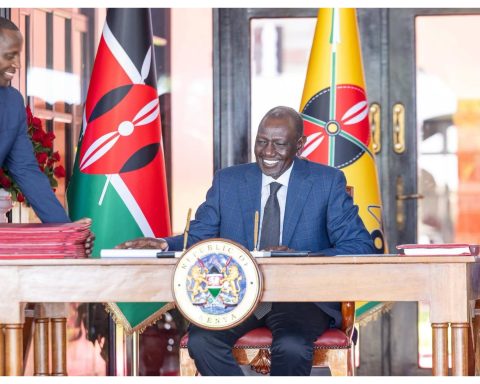
The government had subsidised the price under retired President Uhuru Kenyatta’s reign, a programme that was immediately abolished by President William Ruto when he was sworn in, leading to the prices shooting.