

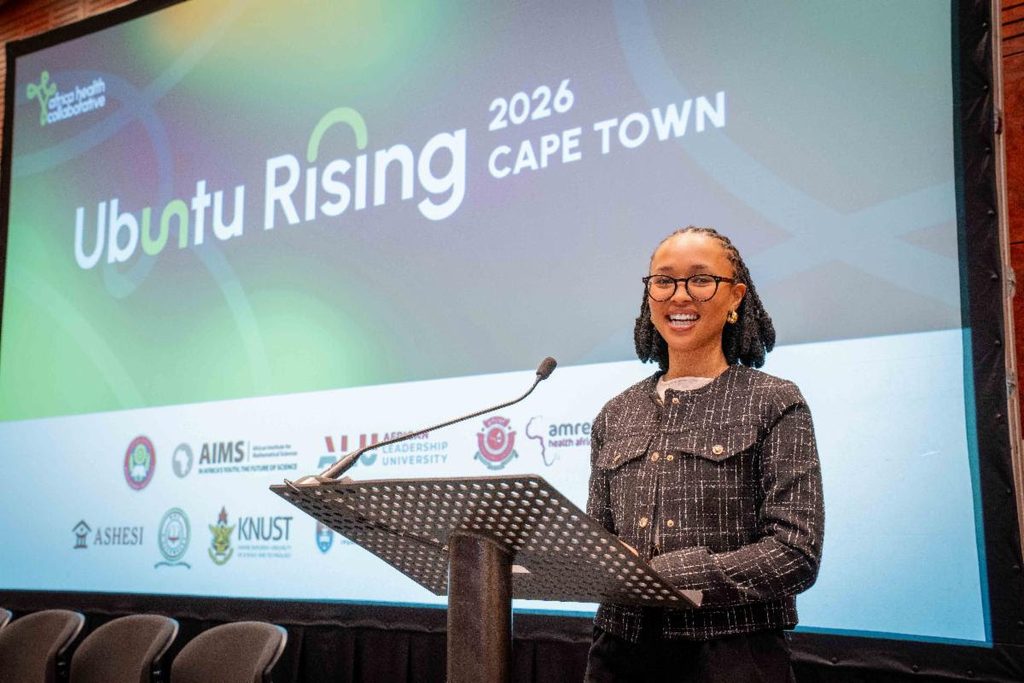
CAPE TOWN, South Africa, 17 September 2026 – /African Media Agency(AMA)/ – Nine recommendations across leadership, innovation and employment emerged from Ubuntu Rising 2026, as more than 80 young health professionals, researchers, innovators, entrepreneurs and higher education representatives came together to identify practical changes needed to strengthen young people’s role in Africa’s health systems.
Convened by the Africa Health Collaborative and hosted by the University of Cape Town ahead of the 18th World Congress on Public Health, Ubuntu Rising was designed to move beyond consultation and give young people a direct role in shaping priorities and solutions for the continent’s health future. The recommendations will contribute to the Collaborative’s Youth Agenda and inform its future programming and partnerships.
The discussions took place against a striking employment and health workforce paradox. Figures from the Mastercard Foundation’s Africa Youth Employment Outlook 2026, cited by Prof. Brandon Collier-Reed during the event, show that 90% of employed young Africans work in the informal economy, while only 10% of youth jobs are formal. 34% of employed young Africans live in households below the $2.15-a-day poverty line, and just 9% have completed tertiary education.
In health, the gap is equally significant. According to the WHO Regional Office for Africa’s Health Workforce Reports 2024 and 2025, also cited during Ubuntu Rising, Africa faces a shortage of 5.5 million health workers, while nearly one million trained health professionals are without meaningful work.
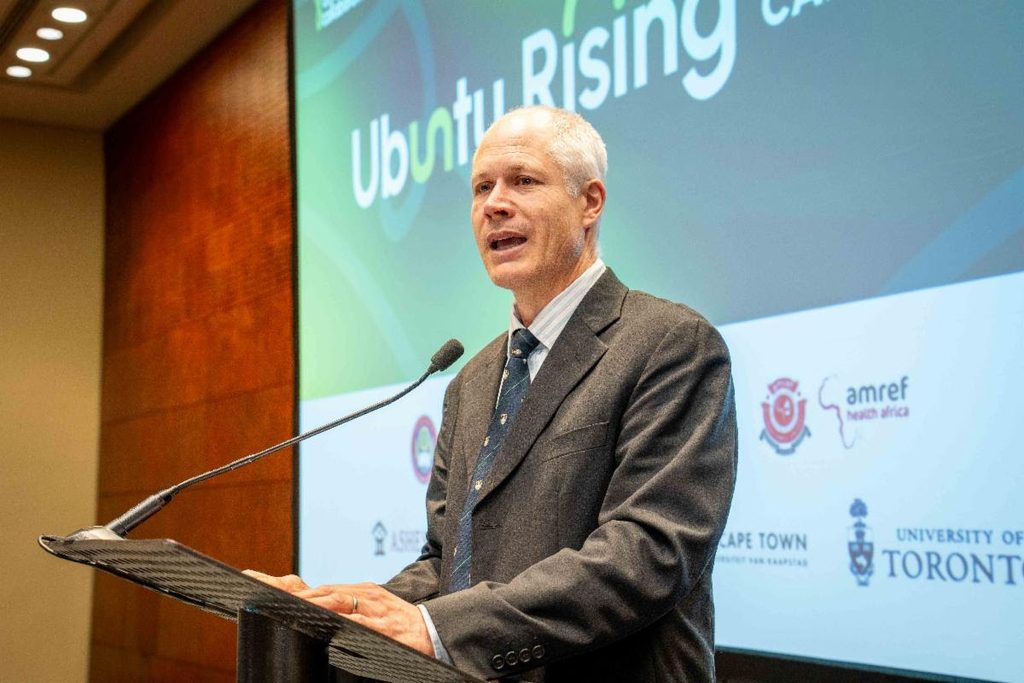
For Prof. Brandon Collier-Reed, Deputy Vice-Chancellor for Teaching and Learning at the University of Cape Town, this disconnect calls for a broader measure of progress: “Employment, on its own, is not the goal we should be measuring ourselves against. The question before us is not whether young Africans are working. It is whether the systems we have built are working for them.”
Nine recommendations, three areas for action
Rather than focusing only on the number of young people trained or employed, participants identified changes needed within the institutions and systems that shape their opportunities. Their recommendations centre on leadership, innovation and employment:
Leadership:
- Build stronger connections to health policy and systems: Create learning and networking spaces that enable young people with technical expertise to better understand health policy and how health systems operate.
- Measure influence, not only participation: Assess youth leadership through its influence and system-level outcomes, rather than simply counting the number of young people trained or involved.
- Create institutions where young people can lead: Build institutional environments that nurture young leadership and give young people meaningful opportunities to contribute to decision-making.
Innovation:
- Embed innovation and entrepreneurship in education: Integrate leadership, problem-solving and entrepreneurship capabilities into existing higher education and training programmes rather than treating entrepreneurship as a standalone intervention.
- Build young innovators’ capacity: Develop structured capacity-building frameworks that equip young people to turn ideas into viable health innovations and entrepreneurial solutions.
- Open access to expertise and existing infrastructure.
- Connect young innovators to cross-disciplinary expertise and existing innovation infrastructure instead of creating disconnected structures.
Employment:
- Make skills more transferable across Africa: Harmonise curricula across the continent to support employment opportunities that cross borders.
- Create stronger pathways into dignified health employment: Advance policies that expand employment pathways, including paid and dignified health workforce internships, while strengthening young people’s participation in health policy and decision-making.
- Connect training to entrepreneurship and community needs: Embed entrepreneurship and a stronger understanding of community needs into curricula and training systems.
Together, the recommendations point to a shift from creating opportunities for young people to participate, to building pathways through which they can influence decisions, develop solutions and progress into meaningful work.
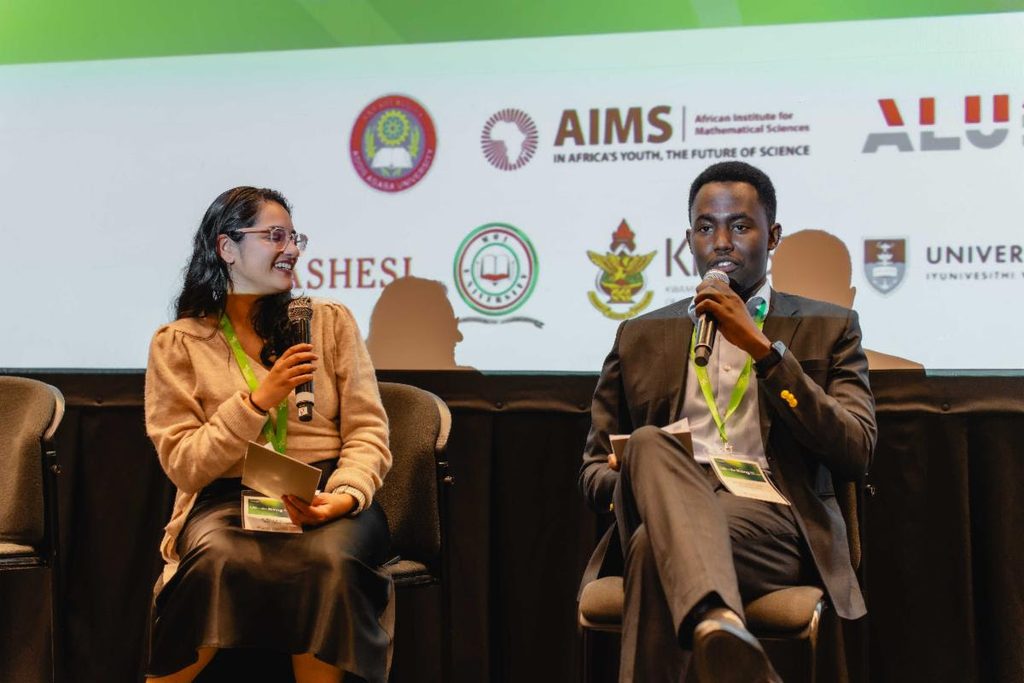

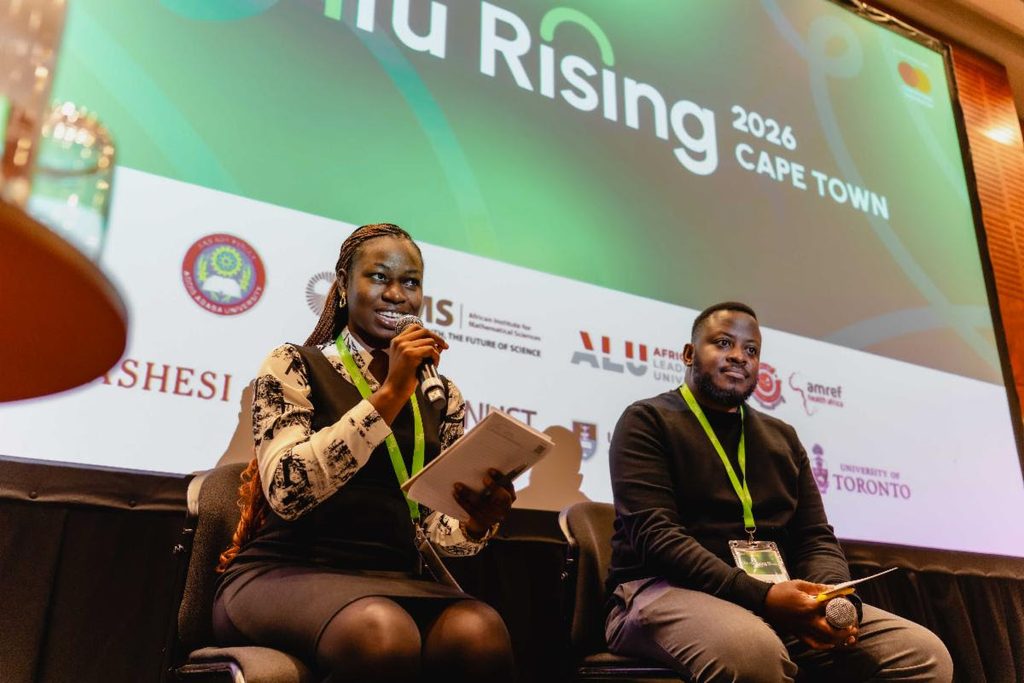
This was also at the heart of the keynote address by Dr. Nathina Pakade, Public Health Medicine Registrar at the University of Cape Town and the Western Cape Department of Health and Wellness, who reflected on the gap between young people’s potential and the institutional pathways available to them: “There is a difference between asking young people what they think and giving them a meaningful role in deciding what happens next. For me, meaningful participation is moving beyond simply being present in the room to having the opportunity to influence what happens in that room.”
For Dr. Pakade, education and training are therefore only part of the equation. Young people also need pathways that allow them to move from exposure and opportunity to experience, mentorship and progression. Her address underscored the need to create systems in which young people can “enter, learn, contribute, progress and lead”, moving from “holders of potential to instruments of influence.
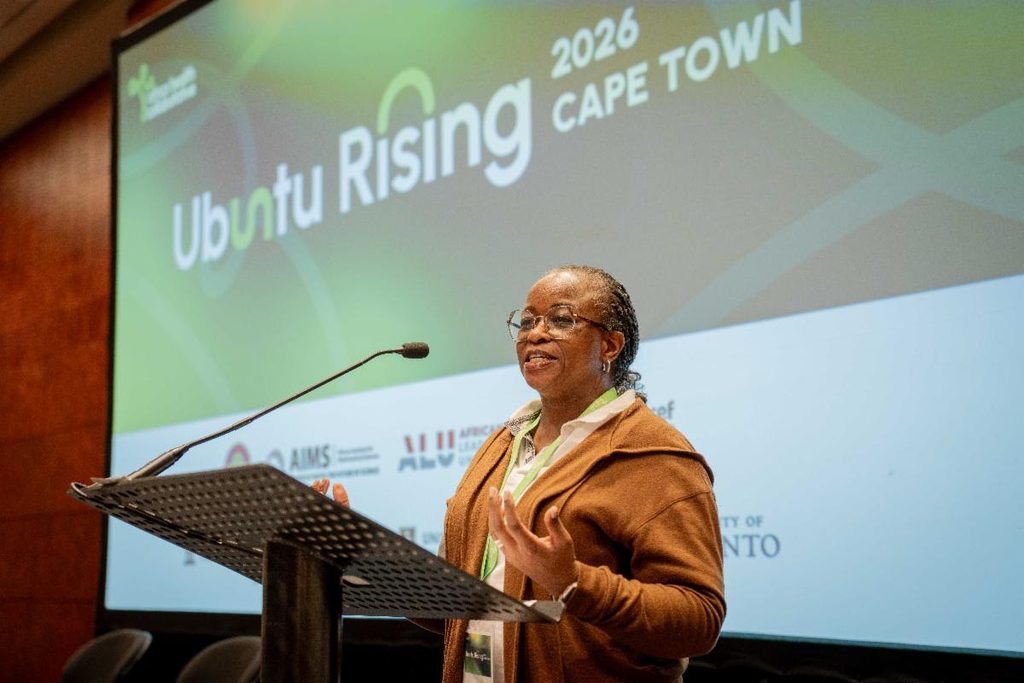
The nine recommendations developed at Ubuntu Rising will now feed into the Africa Health Collaborative’s Youth Agenda, helping to ensure that young people’s perspectives inform the Collaborative’s programmes, partnerships and engagement with the wider health ecosystem.
“If we’re building a world we won’t be part of, then those who will inherit it must help create it. At the Africa Health Collaborative, everything we do is done with young people and informed by young people — and increasingly, led by young people, with us in a supporting role. For us, this is more than participation or consultation. It’s co-creation of the future we all want to see,” said Prof. Tracey Naledi, Deputy Dean for Social Accountability and Health Systems at the University of Cape Town and host of Ubuntu Rising.
Distributed by African Media Agency (AMA) on behalf of Africa Health Collective
About the Africa Health Collaborative
The Africa Health Collaborative is a multi-year partnership working to strengthen primary health care systems across Africa through health workforce development, education, innovation, and entrepreneurship. The Health Collaborative brings together the Mastercard Foundation, Amref Health Africa, Addis Ababa University, African Leadership University, African Institute for Mathematical Sciences, Ashesi University, Kwame Nkrumah University of Science & Technology, Moi University, the University of Cape Town, and the University of Toronto.
Addressing Africa’s critical shortage of health workers and unlocking the sector’s economic potential, the initiative contributes to the Mastercard Foundation’s Young Africa Works strategy to enable 30 million young people, particularly women, to access dignified and fulfilling work by 2030.
Learn more: https://africahealthcollaborative.org/
Media Contact:
Amy Minnie
Account Manager
African Media Agency (AMA)
amy@africanmediaagency.com
The post Ubuntu Rising 2026: Young Africans Put Forward Nine Recommendations to Shape the Future of Health in Africa appeared first on African Media Agency.