
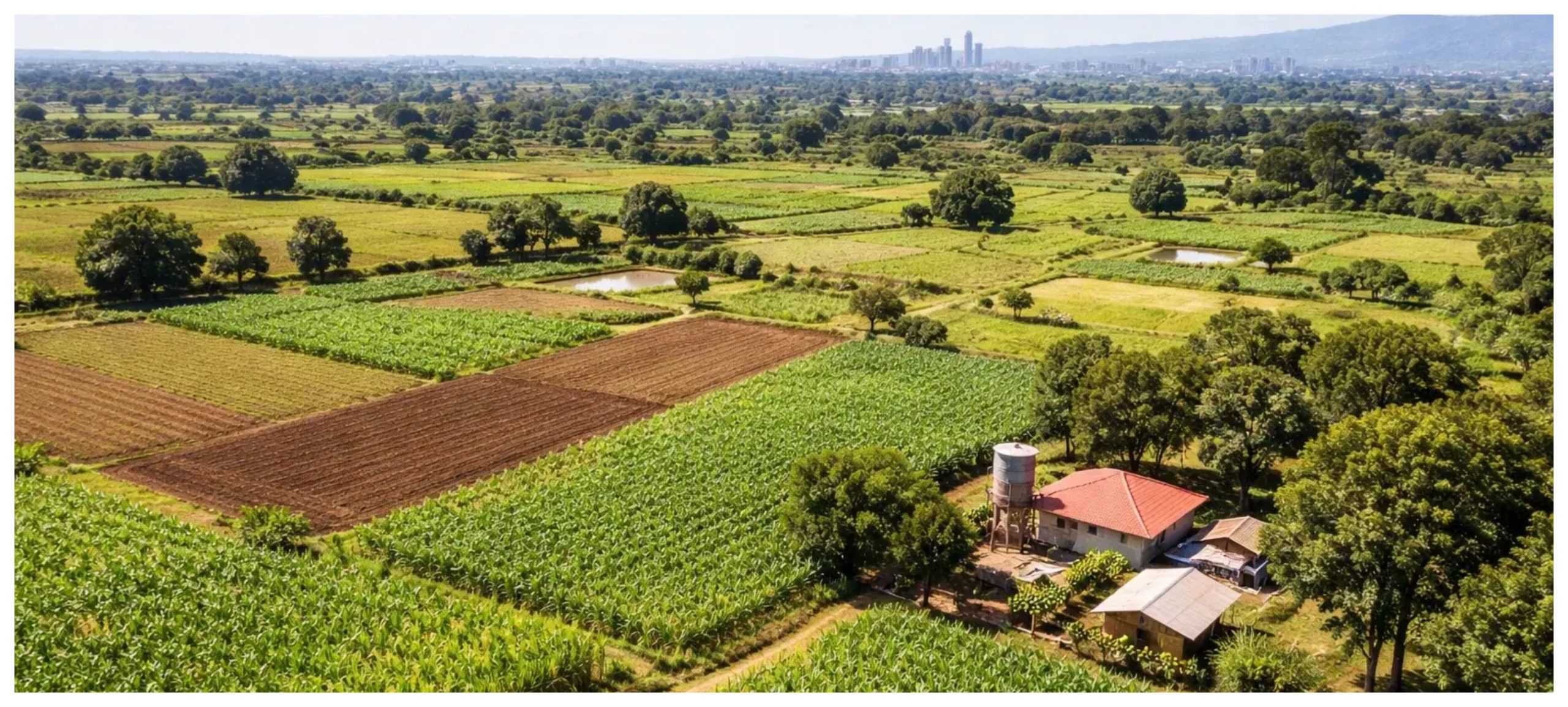
Kenya’s forests and wooded grasslands have declined significantly over the past three decades as agricultural activities, urban growth, and other land-use changes continue to reshape the country’s landscape, according to the country’s first-ever Land and Natural Capital Accounts report.
The report, prepared by the Kenya National Bureau of Statistics (KNBS) and partner agencies, reveals major shifts in land use and land cover between 1990 and 2024, with cropland, settlements, wetlands, and open water areas all recording growth while forested landscapes shrank.
The findings are contained in Kenya’s inaugural Land Accounts, developed under the United Nations’ System of Environmental-Economic Accounting (SEEA) framework to measure the country’s environmental assets and how they contribute to economic development.
Kenya covers about 59.2 million hectares, with nearly 98 per cent consisting of land and roughly 2 per cent of water. However, only about one-fifth of the country’s land is considered suitable for medium- to high-potential agriculture, while the remainder is largely classified as arid and semi-arid land.
Main drivers behind Kenya’s changing land-use partners
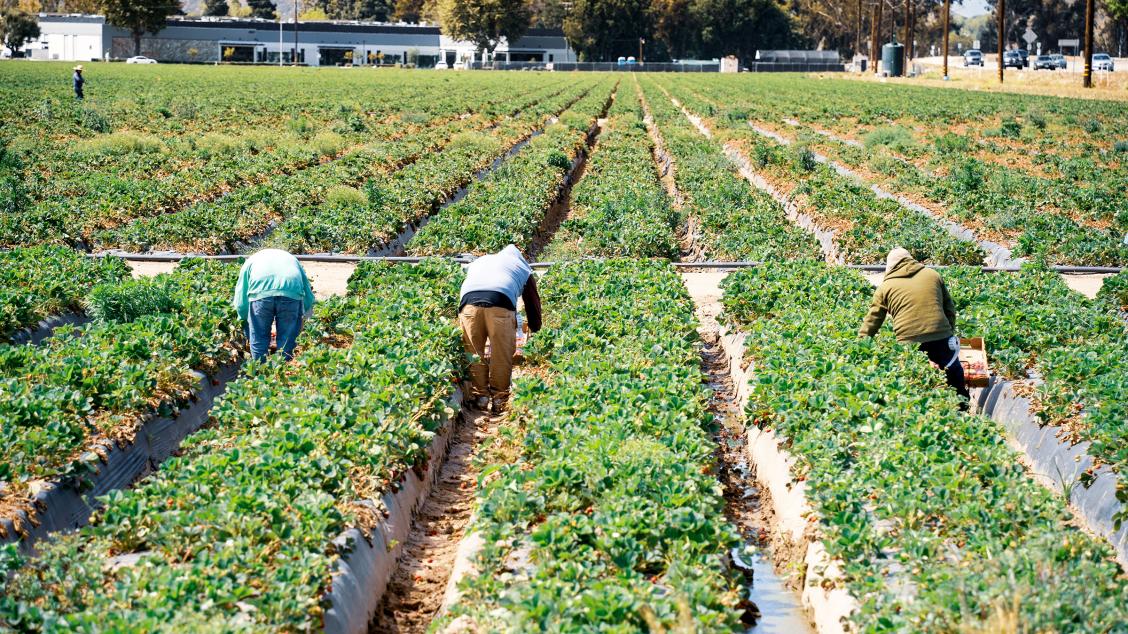
According to the report, increasing population numbers, rapid urbanisation, agricultural expansion, and infrastructure development are among the main drivers behind the changing land-use patterns.
KNBS, in the report, notes that the transformation highlights growing pressure on Kenya’s finite land resources, which support key sectors including agriculture, forestry, pastoralism, fisheries, infrastructure development, wildlife conservation, and human settlements.
The report further notes that while land has always been central to Kenya’s economy and livelihoods, its environmental and economic value has not been systematically measured in the past, creating gaps in planning and resource management.
The newly developed accounts seek to address this challenge by providing a clearer picture of how land resources are changing over time.
How Kenya’s first National Land Accounts were compiled
The Land Accounts were compiled through an inter-agency collaboration using existing Earth observation and land-use planning datasets, including SLEEK, IMPRESS, and AIM4Forests.
Using land-use change matrices, analysts tracked transitions between different land-cover categories from 1990 to 2024. The study examined changes across forests, croplands, grasslands, wetlands, water bodies, and settlements.
KNBS says the accounts provide a cost-effective approach to monitoring environmental change and can support evidence-based decision-making on land management and development planning.
The data is also expected to strengthen Kenya’s National Plan for Advancing Environmental-Economic Accounting by providing regular and standardised information on natural capital.

Supporting Climate Action and Sustainable Development
Beyond tracking environmental changes, the report positions the land accounts as a tool for supporting climate resilience, sustainable land management, and long-term economic planning.
The findings could help policymakers assess trade-offs between development and conservation objectives, guide investments in restoration efforts, and identify opportunities for green jobs.
The report further notes that the accounts can support spatial planning initiatives and provide critical data for monitoring progress toward national and global sustainable development goals.
As pressure on land resources continues to grow, the new accounting framework offers policymakers a data-driven basis for balancing economic growth with environmental sustainability.