

By Dr Philip Zeal Chebunet, Political Communication Expert
Audit queries are a normal constitutional procedure. They are part of the system for examining how public resources are managed.
A Senate appearance is not a conviction. Being summoned to answer questions does not mean a Governor has been found guilty of wrongdoing. An audit query is a question, not a verdict. The county concerned has an opportunity to provide documents, explanations and evidence.
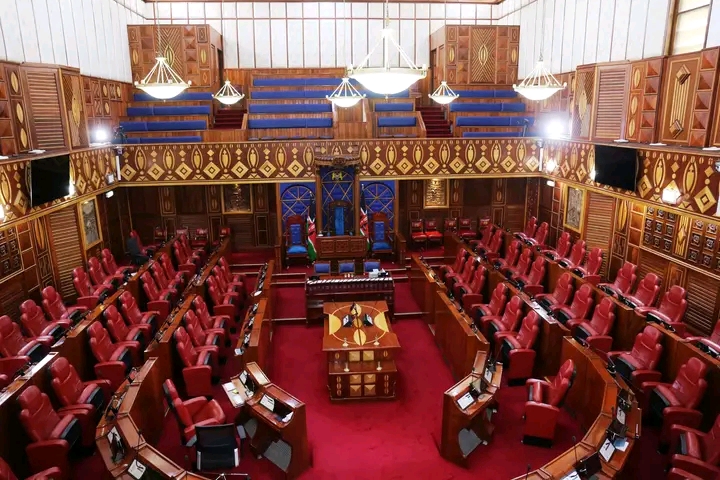
The Senate is doing its job. Oversight of county finances is part of Parliament’s constitutional responsibility. Governors are also doing their job when they appear before committees, respond to questions and account for the resources entrusted to their administrations.
How many times did Mandago appear before Senate committees?
This is not new to Uasin Gishu. Former Governor Jackson Mandago, now Senator, appeared before Senate committees multiple times during his 10-year tenure.
This is public record:
- In 2017, Governor Mandago was summoned by the Senate Public Accounts and Investments Committee over the 2015/2016 audit. He failed to appear, citing paternity leave, and sent his Deputy, Daniel Chemno, who was turned away. The committee, chaired by Prof. John Lonyangapuo, directed that Governors must appear in person.
- In September 2021, Mandago appeared before the Senate County Public Accounts and Investments Committee (CPAIC) chaired by Senator Ochillo Ayacko over audit queries for FY ending June 30, 2019. The Auditor-General had flagged 54 development projects worth Sh1.35 billion, out of which nine valued at Sh372.71 million had stalled, with Sh79.57 million already paid.
- In October 2023, the Senate examined the audit for FY 2020-2021 under Mandago’s administration. The issues included failure to account for Sh2.9 billion under the Finland and Canada education scholarship programme and over 700 pending court cases exposing the county to Sh15 billion in litigation.
- Even in 2025-2026, the County Car Loan and Mortgage Fund audit revealed that Mandago received a mortgage that rose from Sh40 million in 2017 to Sh64 million, exceeding the SRC ceiling of Sh30 million for Governors by Sh24 million, with Sh52.89 million plus interest still unpaid.
In all these instances, the process was the same: query, appearance, explanation, and recommendation. It was never treated as a political crucifixion then. It should not be treated as one now.
The real issue is the evidence. Were the funds properly utilised? Were procedures followed? Are the supporting documents available? Have identified weaknesses been corrected?
We should distinguish an audit observation from established misconduct. A query may be clarified, resolved, or lead to further action depending on the evidence.
What Senate appearance means
Accountability should not become political theatre. A few dramatic headlines or social-media clips should not replace the actual audit documents and committee findings. But oversight should not be dismissed as persecution either. Governors must be accountable and should welcome legitimate scrutiny.
The same standard must apply to everyone. We cannot celebrate Senate oversight when it embarrasses our political opponents and condemn it as persecution when it questions our allies. Selective outrage weakens institutions.
The Governor should answer the questions. The Senate should scrutinise the answers. The Auditor-General should do the auditing. The public should examine the evidence.
If wrongdoing is established, appropriate action should follow. If the queries are satisfactorily explained, that should equally be acknowledged.
Political question in governor’s Senate appearance
Why are we treating an ordinary accountability process as though the Governor has already been condemned? Is appearing before the Senate itself now being presented as evidence of failure?
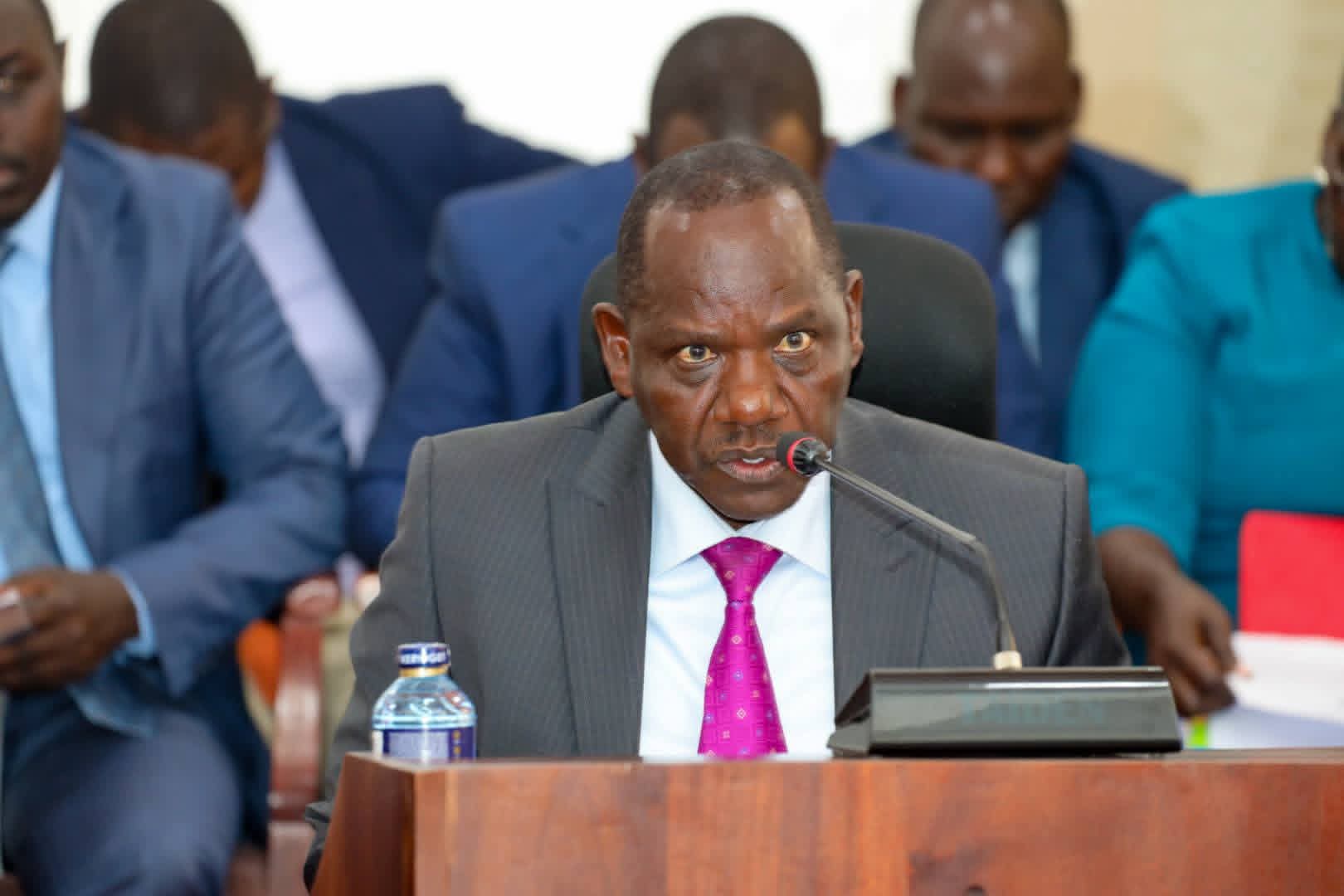
If so, we risk creating a dangerous political culture where a question becomes an accusation, an accusation becomes a verdict, and a Senate appearance becomes a political weapon.
That is not how strong institutions are built. The Governor is not above scrutiny. But scrutiny is not proof of guilt. The Senate is not a political execution chamber. It is an oversight institution.
And politicians should remember one thing: the political weapon you celebrate being used against your opponent today may become the same weapon used against you tomorrow.
Let the Senate ask.
Let the Governor answer.
Let the documents speak.
Let the evidence decide.