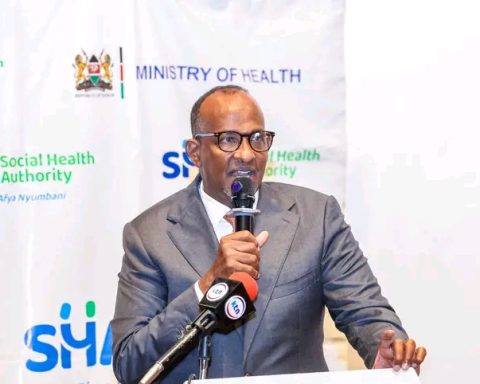

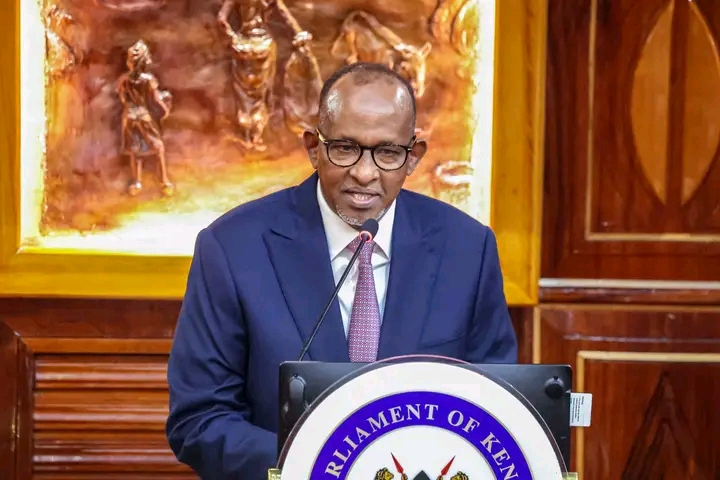
Cabinet Secretary for Health, Aden Duale, has briefed the Senate on progress in ongoing health sector reforms, outlining measures to improve financing, service delivery, and accountability.
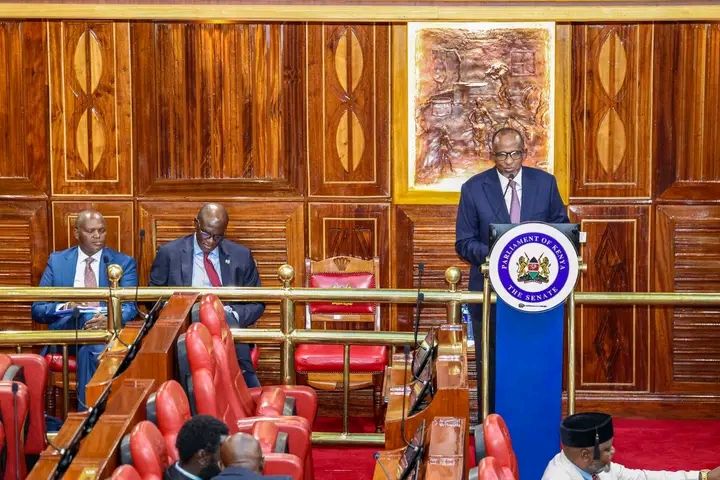
Appearing before a plenary session presided over by Senate Speaker Amason Kingi, the Cabinet Secretary addressed concerns raised by Senators and provided updates on key government interventions.
On health financing, CS Duale confirmed that the Government has allocated KSh 4 billion to begin settling verified claims under the defunct NHIF, particularly those between KSh 0 and 10 million.
The move is aimed at restoring confidence among healthcare providers and ensuring stability in the transition to the Social Health Authority (SHA).
How long does it take for SHA to pay claims?
He reported that the SHA is improving efficiency in claims processing, with a 74 percent settlement rate achieved so far, supported by a strict 90-day timeline for payments across all levels of care.
The Cabinet Secretary also highlighted progress in the supply of medicines and commodities through the Kenya Medical Supplies Authority (KEMSA), which has recorded a 92 percent refill rate.
In addition, assistive hearing devices have been integrated into the national distribution system to improve access, with 2,000 more devices set for procurement through partnerships.
On public health, the Ministry is strengthening tobacco control through increased awareness, enforcement, and regulatory measures supported by the Solatium Compensatory Contribution.

CS Duale further noted that the Ministry is implementing the Kenya Climate Change and Health Strategy (2024–2029) to better prepare the health system for climate-related risks.
Where will new cancer centres be established in Kenya?
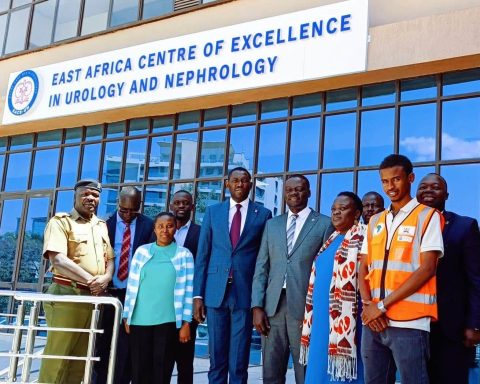
In cancer care, the Government is expanding access to treatment, including plans to install an additional linear accelerator at Kenyatta National Hospital and establish regional cancer centres in Kisii, Nyeri, Meru, and Kisumu to bring services closer to patients.
He also cited improvements in accountability through the Digital Superhighway initiative, which has reduced corruption within the health system.
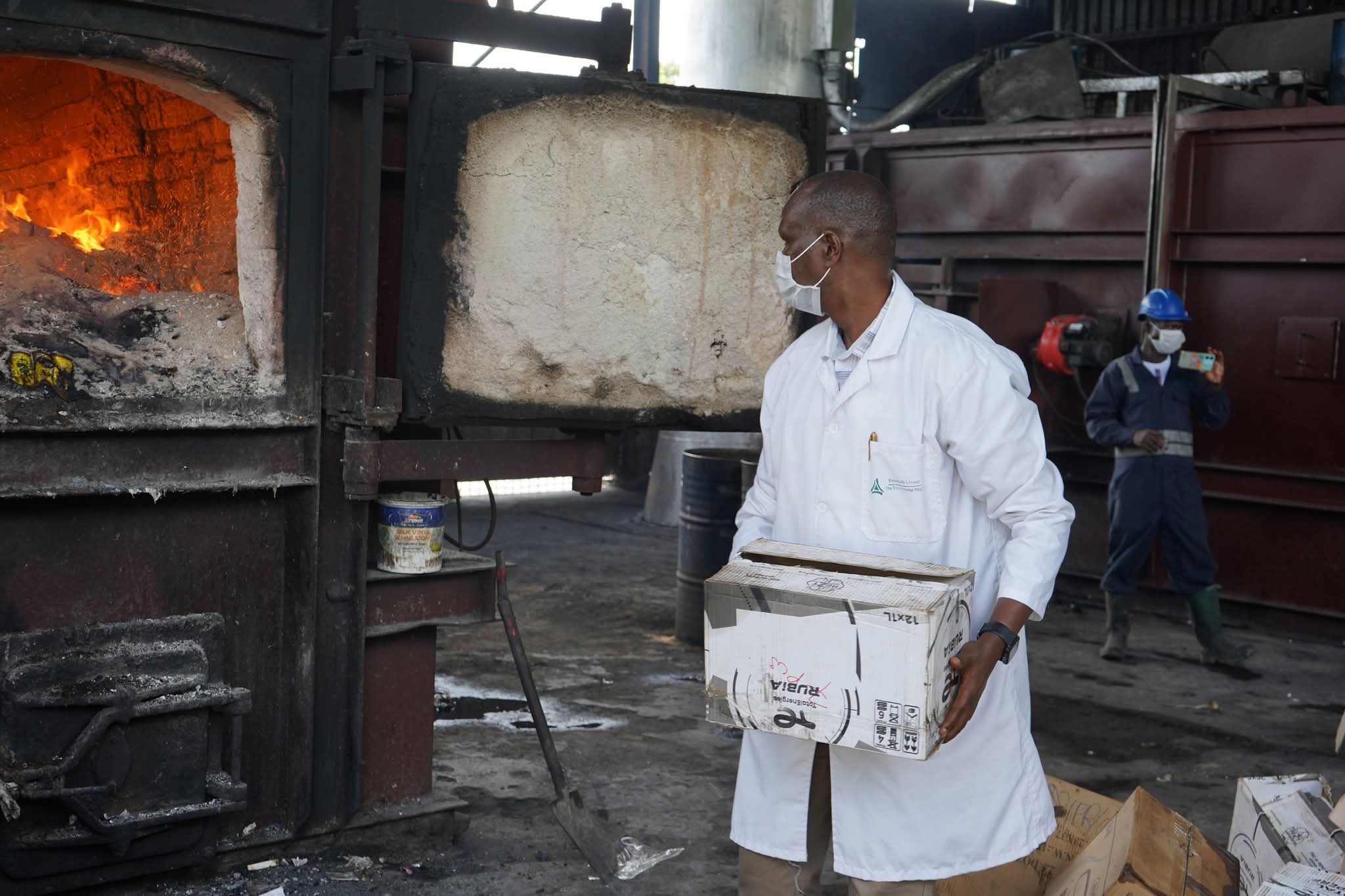
More than 1,200 facilities have been closed over fraudulent activities, while 22 doctors and 40 clinicians have been barred due to malpractice.
The session was attended by Director-General for Health, Dr Patrick Amoth.