
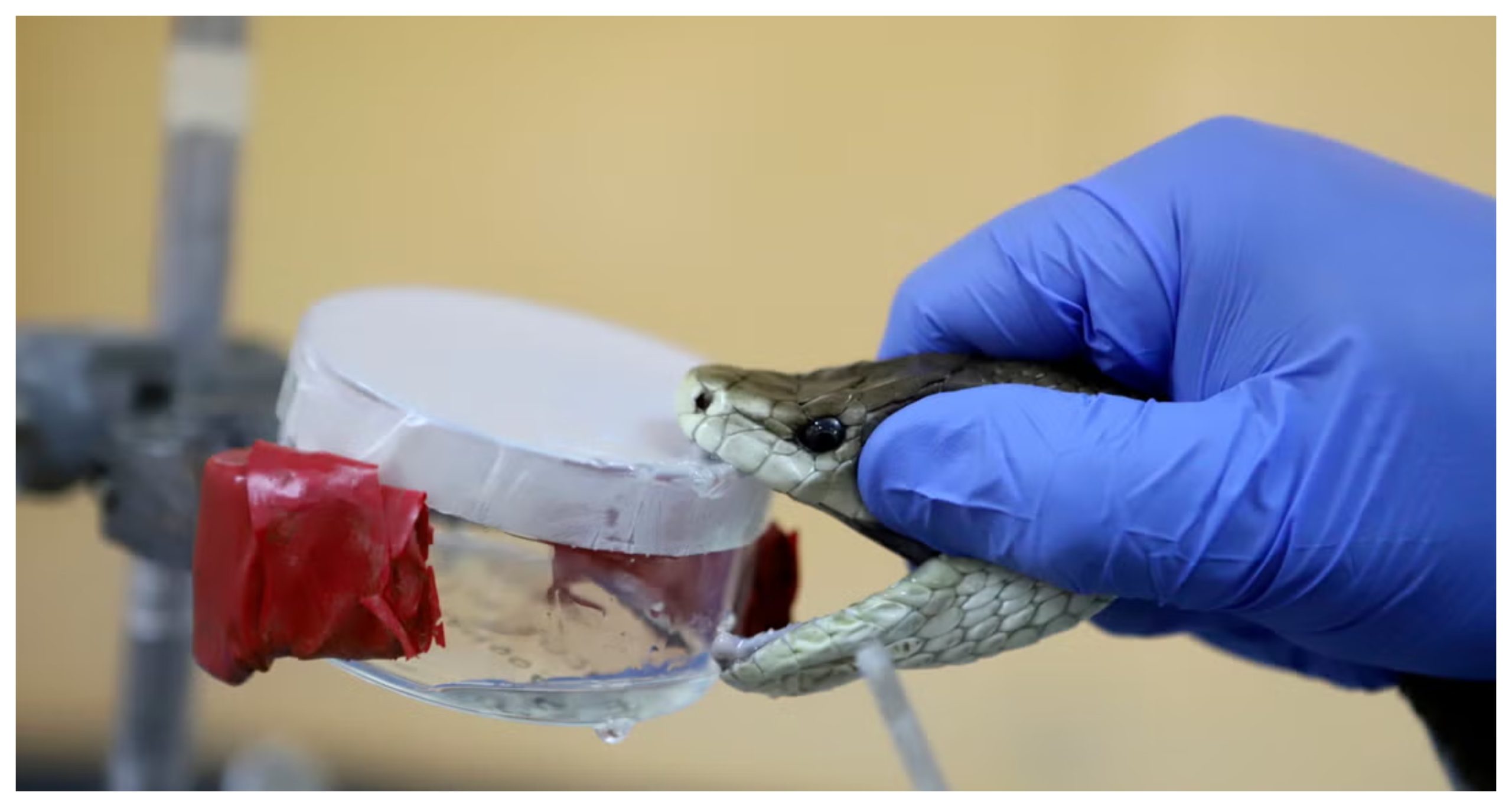
Kenya could have its first antivenom specifically developed for snake species found in East Africa by the end of the year, offering hope for improved treatment of thousands of snakebite victims across the region.
Researchers at the Kenya Institute of Primate Research (KIPRE), working with Nairobi Enterprises Limited (NEL), told lawmakers the project is advanced and expected to deliver a locally tailored antivenom that addresses challenges associated with imported products.
The update was presented to the National Assembly’s Departmental Committee on Health during a budget oversight visit to Nairobi Enterprises Limited.

East Africa-specific snake antivenom
KIPRE Director General Dr Peter Mwethera said the antivenom is being developed to specifically target snake species common in East Africa, addressing a long-standing gap in snakebite treatment.
According to Dr Mwethera, antivenoms currently used in Kenya are largely developed outside Africa and may not always be effective against local snake species because venom composition differs.
“The antivenom will be specific to the region. Right now, the antivenom we have is developed outside the continent, and sometimes it is not effective because the snakes found here are different,” he said.
He added that the locally developed product would eliminate the need for healthcare workers to rely on identifying the exact snake involved before administering effective treatment.
The Health Committee welcomed the progress, describing the project as a major step towards strengthening Kenya’s capacity to develop home-grown solutions to public health challenges.
How many snakebite cases are reported in Kenya annually?
Committee Chairperson Dr James Nyikal said Kenyans were looking forward to the availability of an effective and affordable antivenom and pledged parliamentary support for the initiative through budget allocations.
“Kenyans are waiting for an effective and cost-effective antivenom. You can count on our support as a Committee as you come up with innovative scientific solutions to challenges facing the public,” he said.
The development comes against the backdrop of a significant snakebite burden in Kenya. According to the Ministry of Health, the country records more than 19,000 snakebite cases annually, resulting in over 1,000 deaths each year.
The planned antivenom is expected to improve treatment outcomes for snakebite victims while reducing Kenya’s reliance on imported products that may not be optimised for local snake species.

 Get factual and reliable news as fast as they happen