

SMEP Microfinance Bank has completed a new shares purchase agreement with HOPE International, a global network of Christ-centered microfinance institutions and savings group programs operating in more than 20 countries.
The transaction will give HOPE a 51% controlling stake in SMEP and has been approved by the Central Bank of Kenya. The transaction was advised by Raisin Capital.
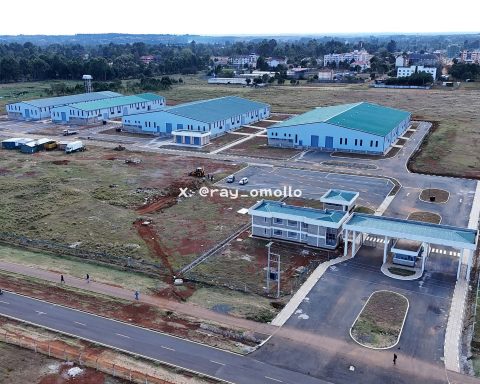
SMEP operates 38 service branches around Kenya that offer a variety of financial products and insurance, serving more than 38,000 borrowers. The Microfinance Bank has experienced significant growth over the past several years and is seeking to serve more families by increasing its number of branch offices, products, and overall portfolio, which was more than $14 million (U.S.) at the end of 2022.
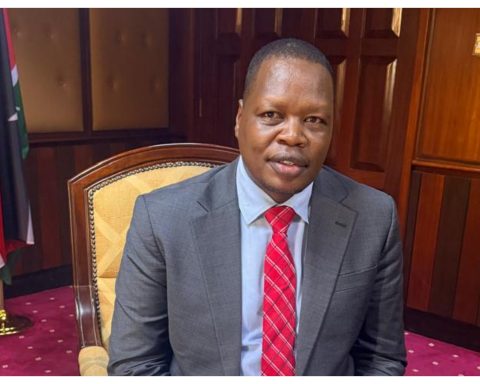
As part of the agreement, SMEP will join the HOPE International network. Dr. Nelson Kuria will continue to serve as chair of SMEP’s board while Symon Kamore will continue to serve as CEO.

Recognizing the immense potential for growth and expanded impact, SMEP, under the guidance of the NCCK, embarked on a thorough search for a suitable strategic investor.
Material and spiritual poverty
The NCCK’s involvement and discernment in the process led to the partnership with HOPE International, a perfect fit for SMEP’s vision and values. This collaboration reinforces the organization’s commitment to providing inclusive financial services to all individuals, regardless of their religious beliefs.
With this arrangement, NCCK will remain a significant Shareholder as well as a critical player in the growth and future of the Bank.
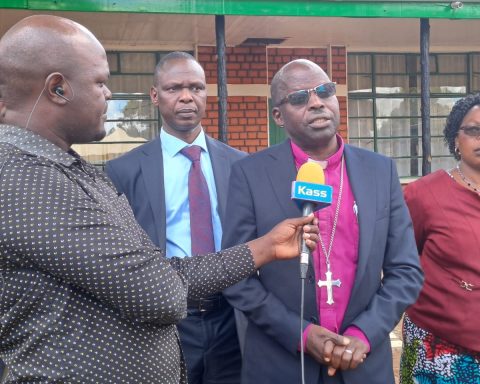
“With HOPE International’s experience in the microfinance sector, we are strengthening SMEP’s current position as a competitive and growing institution. Furthermore, because of HOPE’s Christ-centered values, this change allows us to deliver well on our core mission to help Kenyan families address material and spiritual poverty,” said the SMEP CEO.
HOPE has more than 25 years of experience in spiritually integrated microfinance work and operates financial institutions in other African Countries such as Burundi, the Republic of Congo, and Rwanda.
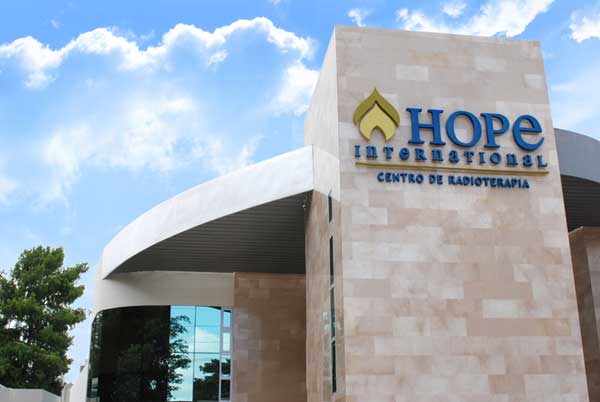
Further, HOPE’s savings group model also empowers local churches and church networks to integrate savings-based financial ministries into rural and urban communities, including those in Kenya, Uganda, and Tanzania. With this experience, HOPE will be able to offer SMEP technical expertise, strategic leadership, and other benefits of their broader network.
“We have the highest respect for the NCCK (the founder), SMEP Board and Management and all other stakeholders. SMEP are mission-aligned, committed to excellence, and eager to serve many more families in Kenya,” shares HOPE’s president and CEO, Peter Greer.
Unbanked population in Kenya
While Kenya has the most developed financial market in East Africa, 16% of the population—some 8 million people—remains unbanked, with about 16% living in extreme poverty.
Additionally, Kenya’s population is incredibly young, with 73% of the country’s 50 million under the age of 30 facing a lack of available jobs. Most SMEP bank branches are located in urban areas, with three more rural counties having no microfinance branches. This represents an opportunity for HOPE and SMEP to reach more underserved entrepreneurs, especially rural farmers.
Both HOPE and SMEP share a commitment to Christ-centered financial services and actively partner with local churches. Having been founded as the development arm of the National Council of Churches in Kenya (NCCK), SMEP serves more than 30 denominations of the NCCK and seeks to offer spiritually integrated services to all the people they serve, regardless of religion.