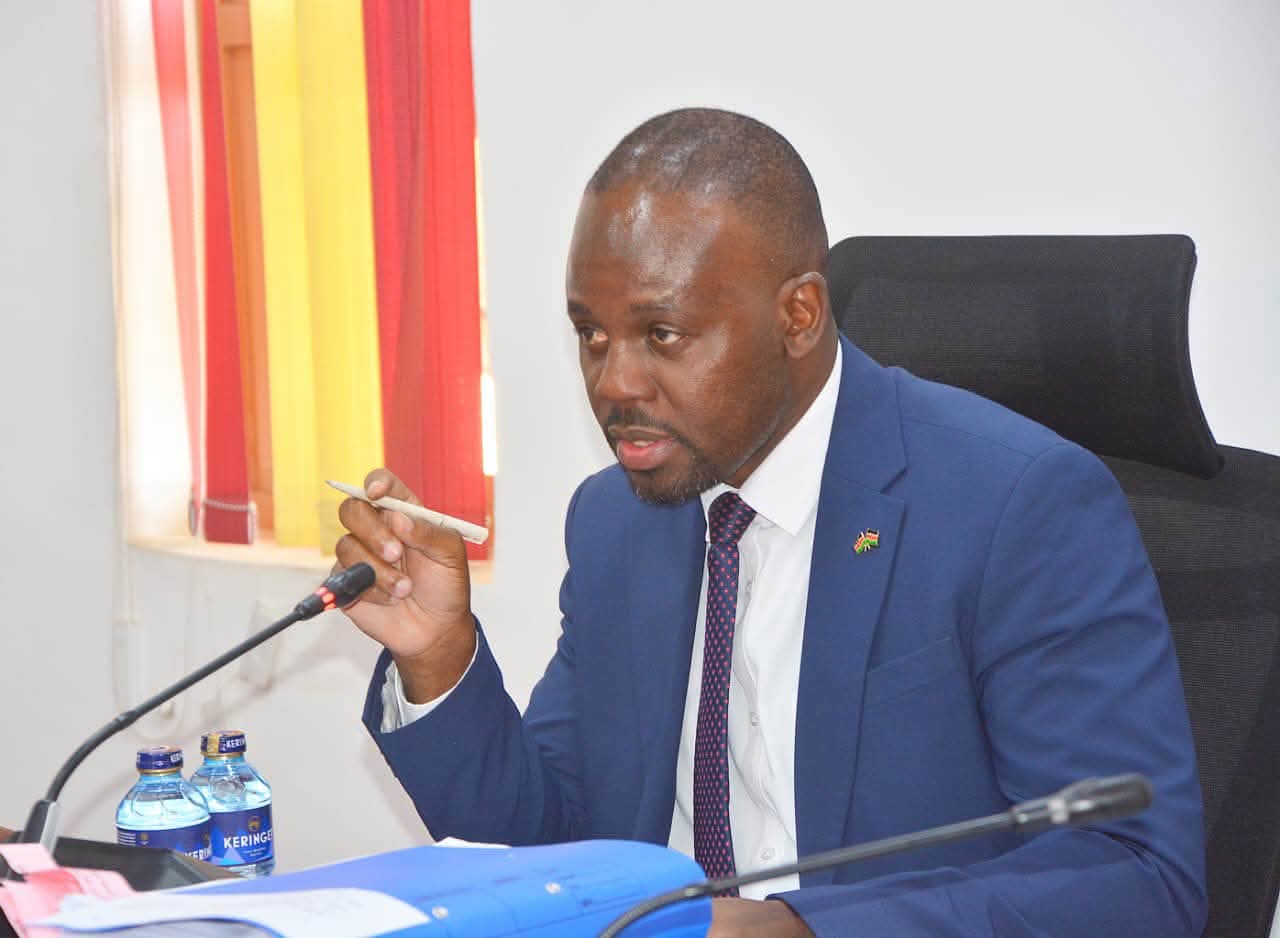

Kenyatta National Hospital (KNH) has successfully performed Kenya’s first Minimally Invasive Esophagectomy (MIE), marking a historic milestone in the country’s advancement of specialized surgical care.
The groundbreaking procedure was performed on June 30, 2026, on a 48-year-old patient diagnosed with cancer of the esophagus.
As part of the patient’s treatment plan, a multidisciplinary team administered chemotherapy and radiotherapy before the surgery to shrink the tumor. Following a comprehensive clinical assessment, the patient was deemed suitable for curative surgery (a medical procedure aimed at completely removing a cancerous tumor to cure the disease) using a minimally invasive approach.
What is Minimally Invasive Esophagectomy
A Minimally Invasive Esophagectomy is a highly specialized procedure used primarily to treat esophageal cancer. Unlike conventional open surgery, which requires large incisions in the chest and abdomen, the procedure is performed through several small incisions using high-definition imaging and specialized laparoscopic instruments, eliminating the need to open the chest or abdomen.
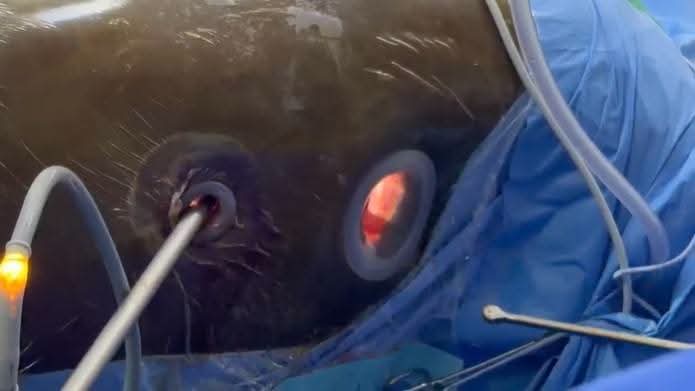
Surgeons removed the entire esophagus and reshaped the stomach into a tube. They lifted this tube into the chest and connected it to the throat to form a new food pipe.
Which KNH doctors performed Minimally Invasive Esophagectomy?
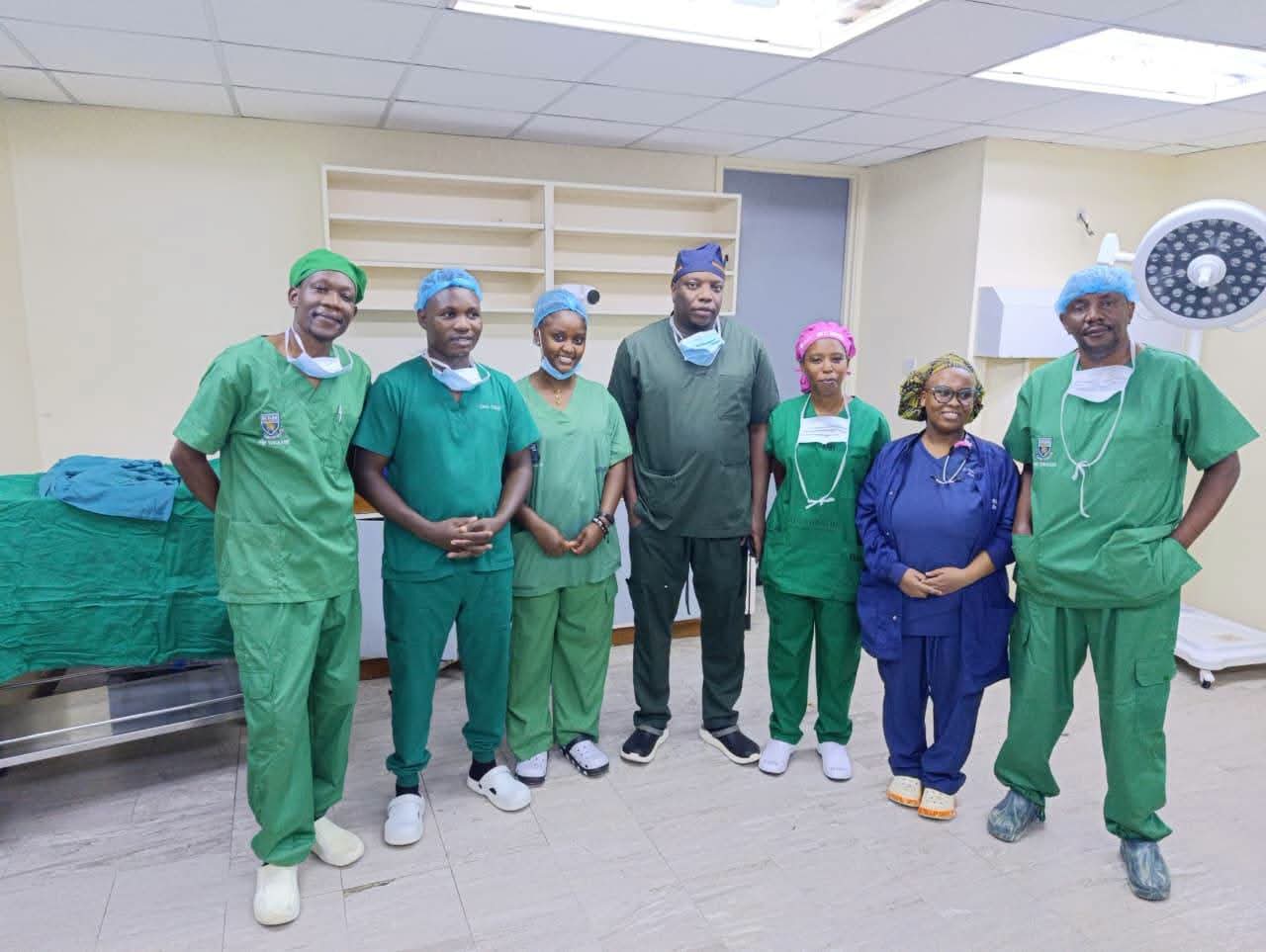
The complex seven-hour operation was led by Dr. Joseph Mutie and Dr. Obed Makori, Consultant Cardiothoracic and Vascular Surgeons, with support from Dr. Praxidice, Dr. Muthoni, and Dr. Yakub. The anaesthesia team was led by Dr. Billow, assisted by Dr. P. Chelagat, while the nursing team was led by Mr. Kitema, alongside Mr. Onyari and Mr. Collins. Postoperative medical care is being overseen by Dr. L. Ooko, with ongoing nursing care provided by Ms. P. Anampiri, Ms. B. Githinji, and Ms. G. Theuri.
Compared to conventional open surgery, the minimally invasive approach offers significant benefits, including reduced blood loss, less postoperative pain, smaller surgical scars, fewer respiratory complications, and faster recovery.
During this landmark procedure, blood loss was minimal and no blood transfusion was required. While patients who undergo conventional open esophagectomy may require about two weeks to recover because the chest and abdomen are opened, patients undergoing MIE typically recover more quickly due to the less invasive nature of the procedure.
The patient spent six days in the Critical Care Unit (CCU) and has since been transferred to the general ward, where recovery remains satisfactory.
A chest X-ray performed on the third postoperative day showed no evidence of infection or other chest-related complications. The patient is now able to tolerate small portions of soft food orally, a positive sign of successful digestive tract reconstruction and a strong indicator of returning gastrointestinal function.
Speaking after the successful surgery, Lead Surgeon Dr. Joseph Mutie described the achievement as a milestone for surgical care in Kenya.
“This is the first Minimally Invasive Esophagectomy performed in Kenya. It represents the global standard of care and demonstrates that Kenyan patients can now access world-class esophageal cancer surgery within our country.”
Senior Director, Clinical Services, Dr. Joel Lessan, OGW emphasized that the success of the procedure underscores the importance of multidisciplinary collaboration.
“This milestone reflects the seamless coordination of surgeons, oncologists, anesthesiologists, nurses, and critical care teams working together to deliver the highest standard of patient care.”
The Chief Executive Officer Dr. Richard Lesiyampe, CBS hailed the achievement as a defining moment in the hospital’s transformation agenda.
This landmark achievement reinforces KNH’s position as Kenya’s premier national teaching and referral hospital.
It demonstrates the hospital’s growing capacity to perform complex, minimally invasive procedures that meet international standards while expanding access to advanced, safe surgical care for Kenyans.