
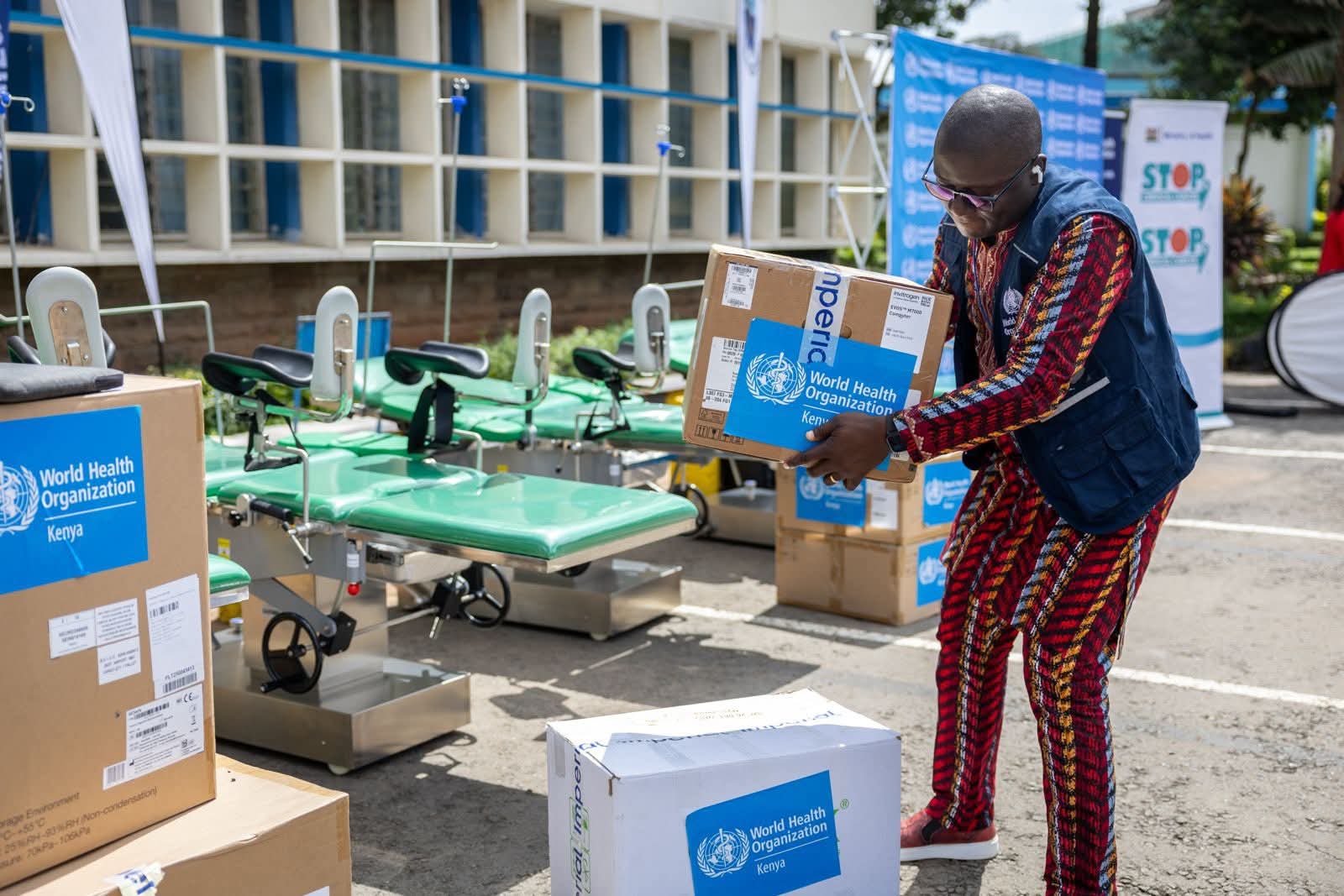
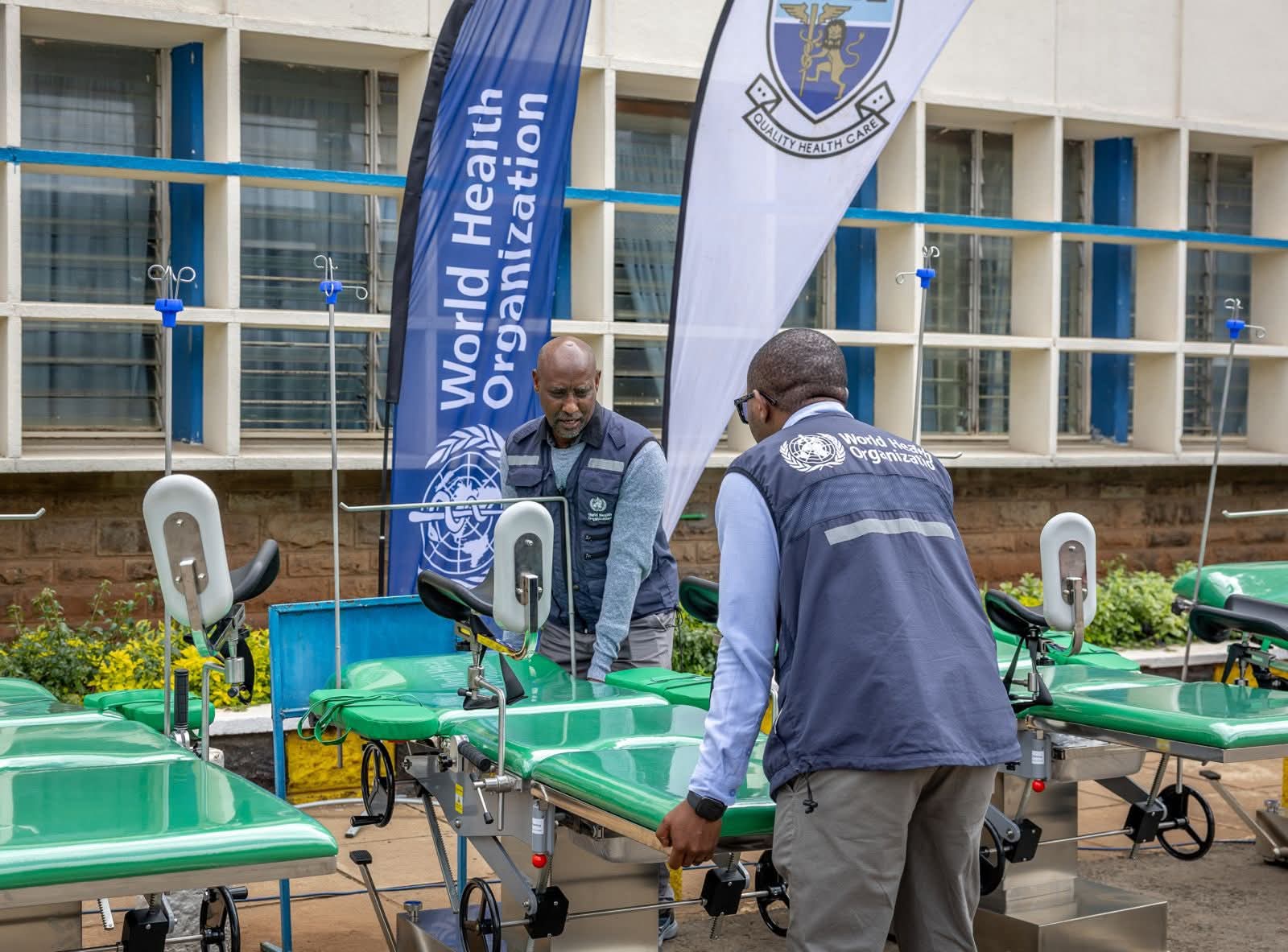
The Ministry of Health has received 108 electric obstetric theatre beds and women’s cancer screening and management equipment valued at KSh 43 million from the World Health Organization (WHO) to strengthen maternal, newborn and women’s health services across the country.
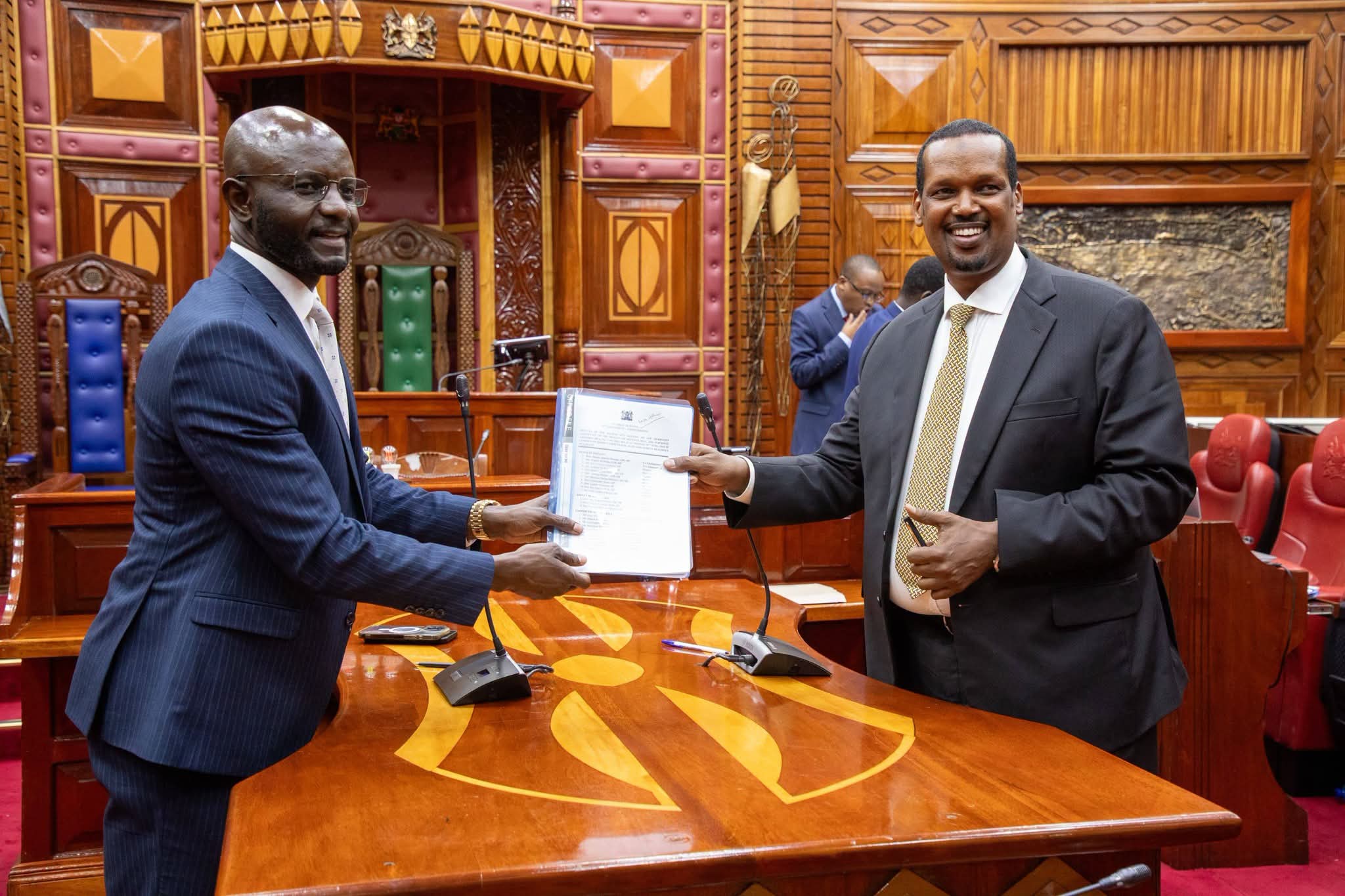
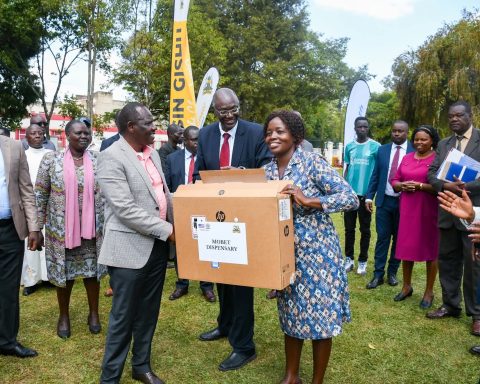
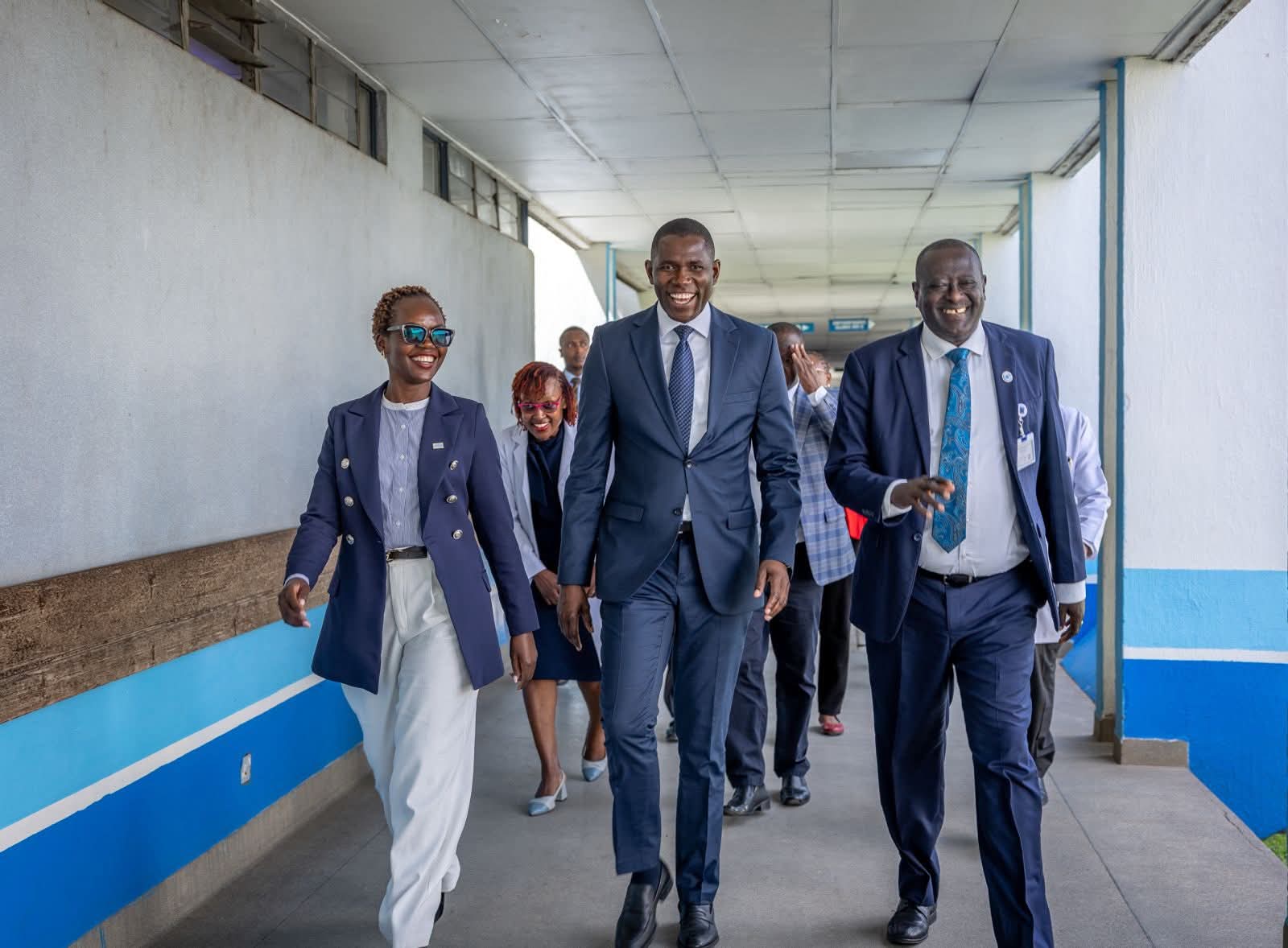
The equipment was handed over by Dr. Neema Rusibamayila Kimambo and received by the Principal Secretary for Medical Services, Dr. Ouma Oluga, during a ceremony held at Kenyatta National Hospital on Tuesday, June 9, 2026.
Later, PS Oluga flagged off the distribution of the equipment to beneficiary health facilities.
Which hospitals will benefit from WHO’s electric obstetric beds?
The 108 electric obstetric theatre beds will be distributed to 45 health facilities across 11 priority counties to strengthen emergency obstetric and newborn care services.
In addition, cancer screening, diagnostic, laboratory, pathology and treatment equipment will be provided to eight health facilities in Bungoma and Nyandarua counties to enhance the prevention, early detection and management of cervical and breast cancer.
Speaking during the event, Dr. Oluga said the donation supports the Government’s efforts to improve maternal and newborn health outcomes under the Every Woman Every Newborn Everywhere (EWENE) Acceleration Plan launched by President William Ruto in May 2026.
He noted that investments in quality maternal healthcare and cancer services are essential to reducing preventable deaths, improving patient outcomes and advancing Universal Health Coverage.
The Principal Secretary also highlighted progress under the Women’s Integrated Cancer Services Project, a partnership between the Ministry of Health, WHO and Roche, which integrates breast and cervical cancer screening into primary healthcare services.
How many women have been screened for cancer in Kenya?
To date, 8,440 women have been screened for breast and cervical cancer and selected non-communicable diseases through the initiative, with the newly handed-over equipment expected to further expand access to screening, diagnosis and treatment services.
Dr. Oluga called on beneficiary counties and health facilities to ensure proper utilisation, maintenance and accountability of the equipment to maximise its impact and improve healthcare delivery for women and newborns.
The Ministry of Health reaffirmed its commitment to working with county governments, development partners and healthcare workers to strengthen maternal, newborn and women’s health services and ensure that every woman and newborn has access to quality healthcare.